







US House Approves Temporary Funding Bill to Prevent Government Shutdown
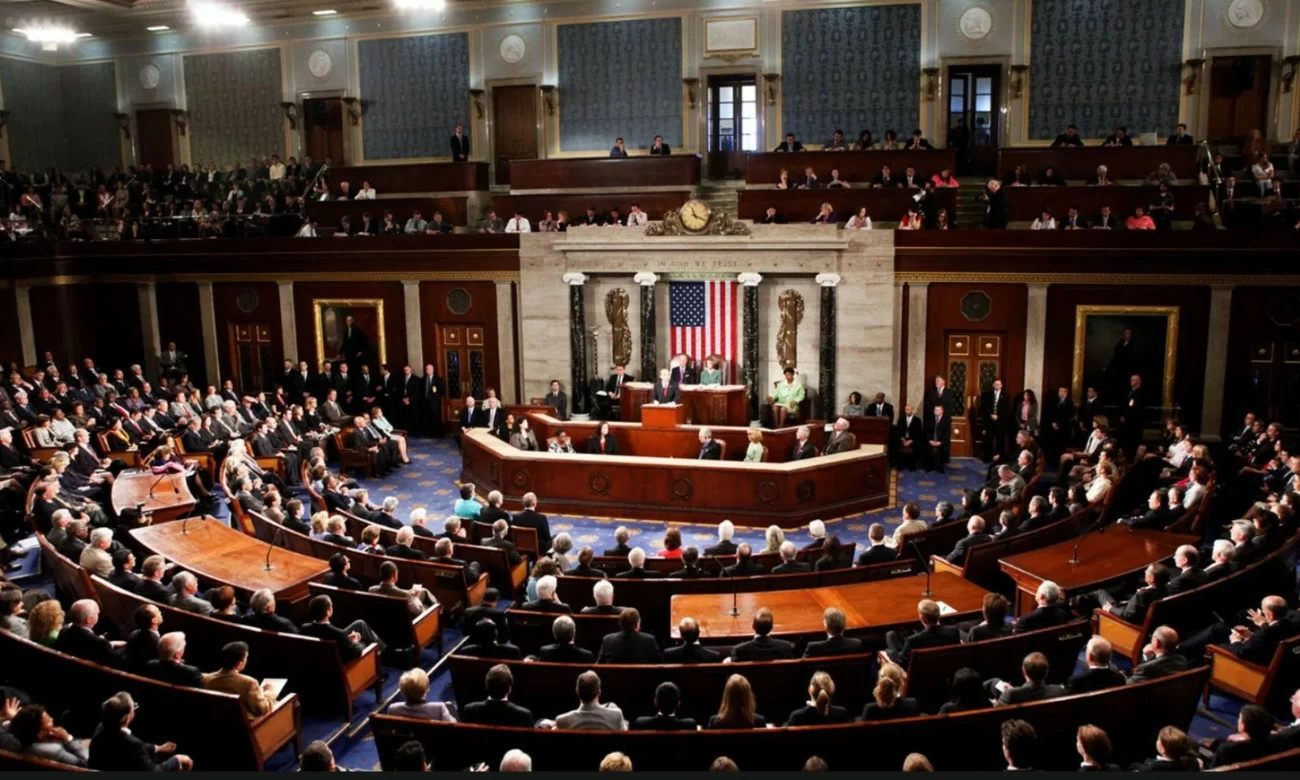
The U.S. House of Representatives voted overwhelmingly in favor of a temporary spending bill, a move that averts a potential government shutdown as current funding is set to expire at the end of September. This decision shifts the spending battle past the upcoming midterm elections, allowing lawmakers some breathing room as they negotiate future budgets.
On Tuesday, the House approved the bill with a vote of 370 to 48, showcasing bipartisan support. The Senate had previously passed the legislation in August, and it now awaits President Donald Trump’s signature to be enacted. Under this bill, federal government funding will continue at current levels until December 11, granting both Republicans and Democrats additional time to negotiate annual spending bills that Congress has yet to finalize.
Impacts of the Funding Bill Prior to Upcoming Elections
This agreement comes just weeks ahead of the midterm elections scheduled for November, with both parties eager to avoid a government shutdown during the campaign season. As the two parties vie for control over the House and Senate in the last two years of Trump’s presidency, maintaining government operations has become a focal point.
The Senate made several adjustments to the funding bill, including restrictions on the Trump administration’s ability to redirect additional funds to border patrols. Additionally, the proposal postpones a proposed rule that would provide political officials within the administration greater influence over federal grant distribution decisions. These modifications have contributed to garnering Democratic support for the bill.
Legislative Background and Current Government Funding Issues
The current funding was threatened to expire on September 30, raising fears of a government shutdown as the new fiscal year begins. Congress has not yet approved the 12 annual spending bills necessary for government operation, leading to reliance on a temporary funding measure known as a “continuing resolution.” This recent step comes after previous funding challenges during the second Trump administration, enhancing the desire among lawmakers from both parties to circumvent another confrontation ahead of major elections.
Additionally, the legislation includes a delay in implementing a federal ban targeting specific cannabis products that contain tetrahydrocannabinol (THC) compounds. This aspect has drawn objections from some conservative Republicans, who view the delay as an opportunity for the continued sale of psychoactive products.
Looking Ahead: Future Negotiations on Spending
While the immediate threat of a government shutdown has been mitigated, the fundamental disagreements over spending priorities and the future of government funding are expected to resurface in December. Lawmakers will need to grapple with contentious issues, including budget allocations and the ongoing debate over federal spending strategies.
As the political landscape evolves following the midterm elections, attentive observers should watch how these discussions unfold. Negotiations in December will likely set the stage for the federal budget’s trajectory moving forward, particularly as parties reposition themselves following election results.