







School reopening guidelines announced by the Ministry
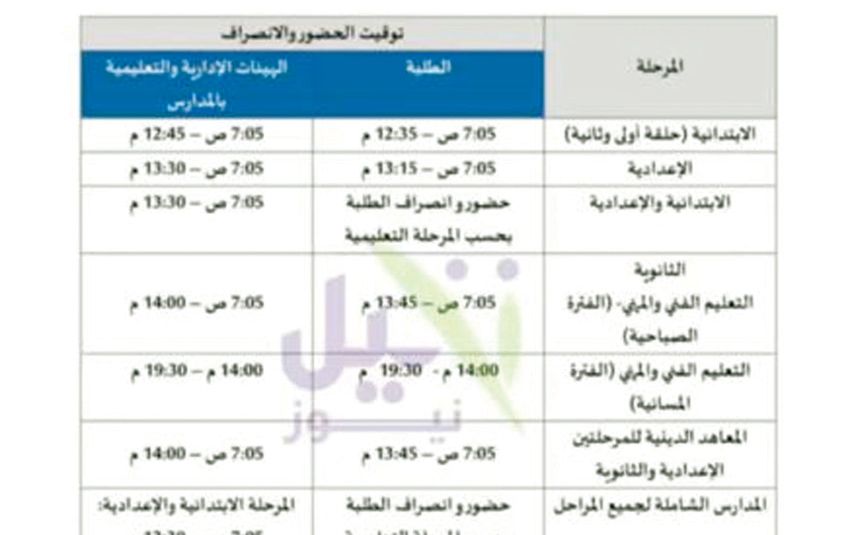
The Ministry of Education has issued comprehensive school reopening guidelines ahead of the new academic year, outlining measures for administrative staff, teachers and students, officials said. The circular, released as term start approaches, sets deadlines and practical steps for updating student records, arranging reception activities and ensuring orderly arrival and dismissal. Furthermore, the ministry emphasized planning for afternoon dismissal and the first-week schedule to support a smooth reopening.
Key directives and immediate actions required
The circular requires schools to prepare reception programs throughout the first week to help students acclimate to campus life, the ministry stated. Schools must provide clear information on the school building layout, administrative and teaching teams, support offices and curriculum offerings. Additionally, administrators are instructed to finalize class placements, issue timetables and open active communication channels with parents to answer queries and provide ongoing support.
Student registration and data update requirements
One of the principal directives calls for a full update of student information in the school management system, with a completion deadline set for the third week of September 2026, according to the circular. Therefore, schools must verify enrolment, confirm class assignments and ensure all students are correctly recorded. Parents are encouraged to respond promptly to requests for documentation and verification to avoid delays in timetable distribution and transport allocation.
Orientation and reception programs for students
Schools are instructed to design orientation programs for all students at the start of term and to provide targeted sessions for first-grade pupils and their parents, officials said. These programs should include meetings that explain the year’s structure, daily routines and available support services. Furthermore, schools are to submit an implementation plan for these orientation activities to the operations department responsible for education services.
Content and scheduling of orientation activities
Orientation should cover academic expectations, welfare resources and how to access support offices, while allowing time for parents to raise questions. In addition, schools are advised to schedule sessions across the first week so arrivals are staggered and staff can manage introductions effectively. Consequently, such planning aims to improve the quality and flow of the school day from day one.
Logistics: attendance, dismissal and school transport
The ministry’s guidance specifies arrival and departure times for all stages, including lower and upper primary, preparatory and secondary levels, as well as vocational and evening programs. Attendance and dismissal should be set according to the educational stage to ensure safety and operational consistency. Meanwhile, the circular highlights the importance of registering for school transport where available and monitoring bus operations for problems or concerns.
Students wishing to use the transport service must register via the designated online portal and follow the registration windows provided by each school. Schools are required to track the movement of students using school buses and to report any issues to the responsible authorities under existing regulations. Therefore, maintaining active communication channels with parents and transport managers is a priority to sustain smooth daily operations.
Health, safety and climate-related adjustments
Recognizing seasonal variations, the ministry advised that the morning assembly be held in the gymnasium or inside classrooms during periods of high temperature. This measure is intended to protect students’ well-being while preserving routine. Additionally, schools should ensure that support offices and health resources are visible and accessible to students and parents during the reopening period.
Communication protocols and parental engagement
Schools must establish effective lines of communication with parents, including responding to inquiries and providing regular updates on school activities and any changes to schedules. Officials urged school leadership to offer multiple channels for parent contact and to document responses to common questions to reduce uncertainty. Furthermore, administrators should share copies of orientation plans with the relevant operations department to promote consistency across the school network.
Implementation oversight and reporting
The circular instructs school administrations to compile and submit plans for student reception, orientation and transport oversight to the education operations unit. Supervisors will review these plans to ensure alignment with national expectations and to identify areas needing additional support. According to the ministry, such oversight will help detect implementation issues early and provide targeted assistance where required.
Implications for teachers, students and administrators
For teachers, the guidelines emphasize readiness to support new and returning students through structured orientation and classroom routines. For students, the measures are intended to reduce anxiety and clarify daily procedures during the opening week. For administrators, the directives mean prioritizing data accuracy, parent communication and logistics to deliver a consistent learning environment from the outset.
What to watch next
Parents and school communities should watch for school-specific plans and registration windows published by local administrations in the coming days. The ministry’s deadline for data updates in the school management system is the third week of September 2026, and schools are expected to confirm class lists and timetables before that date. Finally, observers should look for follow-up guidance from regional education offices that may provide additional practical instructions or timelines.
Conclusion and next steps
The ministry’s circular lays out practical steps intended to support a coordinated, safe and well-organized start to the academic year. School leaders must complete student registration updates, implement orientation programs and manage transport arrangements as directed. Moving forward, stakeholders should monitor school communications for detailed schedules and participate in planned orientation activities to ensure a smooth transition into the new term.