




Agricultural holdings meeting held in Wilayat Thumrait
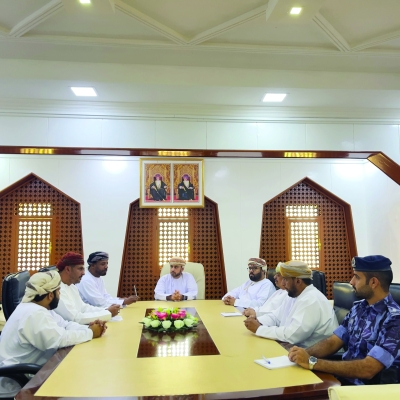
Officials in Wilayat Thumrait recently convened a multi-agency meeting to discuss the regulation and development of agricultural holdings. The gathering, chaired by Wali Sheikh Ahmed bin Hamad bin Khalid Al Maawali, reviewed current practices, identified obstacles faced by holders, and explored measures to align land use with existing laws and regulations.
Representatives from several government departments responsible for land management, agricultural services, and rural development attended the session to coordinate responses and propose actionable steps. The meeting underlined the need to enhance legal clarity and institutional cooperation to maximize the social and economic value of agricultural holdings in the region.
Agricultural holdings: meeting overview and objectives
During the session, officials outlined the primary objective of achieving better organization and utilization of agricultural holdings in line with national and regional rules. The agenda included reviewing registration procedures, assessing current land use, and identifying technical or legal barriers that limit productive investment in farms.
Participants exchanged situational analyses and initial recommendations, and the Wali emphasized coordination among agencies to avoid overlaps and ensure that initiatives comply with statutory frameworks. According to the meeting statement, the effort aims to serve the broader community while supporting sustainable local agricultural development.
Challenges facing agricultural holdings
Attendees identified multiple challenges that constrain the productivity and security of agricultural holdings. Officials noted issues including unclear land tenure records, fragmented plots, limited access to finance and markets, and insufficient technical support for water and soil management.
Furthermore, the meeting highlighted that weak record-keeping and inconsistent application of regulations can undermine farmers’ rights and discourage long-term investment in land improvements. The discussions suggested that addressing these constraints will require both legal adjustments and practical measures at the field level.
Coordination, legal frameworks and land tenure
Much of the session focused on harmonizing actions within the bounds of existing laws and on clarifying land tenure arrangements. Officials stressed that clear land tenure and transparent registration systems are essential to protecting holders and enabling access to credit and public services.
Proposals discussed included strengthening interagency data sharing, accelerating formal registration processes, and mapping holdings to reduce disputes. The Wali urged agencies to prioritize measures that reinforce legal certainty while respecting established rights and customary practices, thereby safeguarding farmers’ rights and enhancing governance.
Technical and policy measures to support development
Beyond legal reform, the meeting explored technical and policy options to boost agricultural development on existing holdings. Officials recommended targeted extension services, water resource planning, and pilot projects to demonstrate improved cropping techniques or efficient irrigation methods.
Additionally, participants considered incentives to encourage consolidation of fragmented plots where appropriate and to promote value-chain linkages that connect producers with processors and markets. Such practical measures are intended to complement regulatory steps and deliver tangible benefits to landholders and the local economy.
Implications for food security and local economy
Organizers framed the initiative as part of a broader approach to strengthen food security and rural livelihoods in the wilayat. Improved management of agricultural holdings, they said, can increase production capacity, stabilize incomes for households, and support sustainable land use practices.
Moreover, coordinated interventions could attract modest private investment and enable smallholders to participate more effectively in regional markets. Officials suggested that clearer regulations and better services would help translate natural and human resources into measurable agricultural outcomes.
Next steps and expected follow-up
The meeting concluded with commitments to continue interagency coordination and to develop a practical roadmap for implementation. Officials indicated that technical committees and working groups will be formed to refine proposals, assess legal adjustments, and outline pilot activities.
Stakeholders said follow-up sessions and technical reviews are expected in the coming months to monitor progress and to sequence reforms in a manner consistent with applicable laws. Observers should watch for announcements on registration drives, pilot projects, and public information campaigns that clarify procedures for holders.
Conclusion and outlook for agricultural holdings
The Thumrait meeting signaled a methodical approach to organizing agricultural holdings while adhering to legal frameworks and protecting community interests. By combining regulatory clarification with practical support measures, authorities aim to enhance agricultural development and strengthen food security in the wilayat.
Moving forward, attention will focus on concrete implementation, including data consolidation, capacity building, and pilot interventions. Readers should expect updates on committee reports and pilot outcomes as agencies work to translate the meeting’s recommendations into measurable improvements for landholders and the wider community.