







Summer takeout habits surge as families shift routines
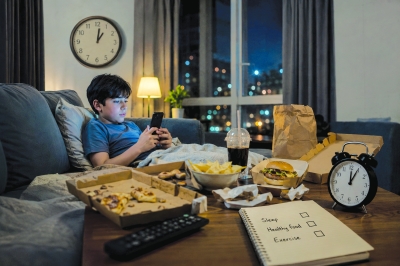
Summer takeout habits are rising among families during the school break, driven by later bedtimes and longer hours spent at home, local parents and specialists said. In many households children are staying up later, increasing requests for delivered meals late at night, a behavior parents describe as more common now than during the school year.
Parents in several Omani cities reported the change during the current school vacation, noting that habit shifts, available delivery apps and relaxed household schedules have combined to make late orders a frequent summer pattern. The trend has drawn attention from nutritionists and social researchers concerned about health and family food routines.
Why late-night eating grows during summer
Parents and experts point to several immediate causes of the spike in late-night eating. First, the altered daily schedule of summer break delays sleep and meal times, so children feel hungry later. Second, increased screen time and extended evening activities make food requests a spontaneous response to watching shows or gaming late into the night.
Additionally, the spread of smartphone apps and fast, low-cost delivery options reduces friction for young people to request meals independently, according to social researchers. Therefore, a behavior that used to be occasional has become easier and more normalized during the vacation period.
Health experts warn of nutrition and sleep impacts
Clinical nutritionists emphasize that late-night eating and frequent reliance on fast food can have concrete effects on children’s health. According to a dietician at Ibri Hospital, staying up late disrupts the body’s circadian rhythm and alters appetite hormones: lower satiety signals and higher hunger signals increase the drive to eat even after dinner.
Eating heavy, calorie-dense food late at night can impair digestion, raise the risk of reflux and disturb sleep quality. Furthermore, those extra calories are less likely to be burned during a largely sedentary evening, contributing over time to weight gain and insulin fluctuations. In short, the combination of late-night eating and poor sleep affects both immediate wellbeing and long-term health prospects.
Family dynamics and the consumer culture influence choices
Social researchers note that family food routines play a central role in shaping children’s preferences. When parents relax meal-time rules for the holidays, the shift can unintentionally reinforce a pattern where convenience eating replaces shared family meals. Over time, ordering in can become the default rather than an exception.
Marketing and digital platforms also play a role: food delivery services, targeted advertising and celebrity endorsements make takeout appealing and highly accessible. As a result, the decision to order becomes less tied to actual hunger and more to convenience, reward or a desire for novelty.
Signs parents should watch for
Experts recommend that families monitor indicators such as irregular meal times, frequent late-night orders, persistent refusal of home-cooked meals and noticeable changes in energy or weight. These patterns may suggest that a temporary vacation habit is becoming entrenched.
Practical alternatives and family strategies
Parents interviewed said they are trying a range of practical responses to balance children’s requests with healthy habits. Many favor offering homemade alternatives that mimic popular takeout flavors, reducing the appeal of ordering while keeping control of ingredients and portions.
Nutritionists suggest family-friendly, easy-to-prepare options that satisfy late cravings without undermining sleep. Ideas include yogurt with seasonal fruit, warm oatmeal with nuts, corn on the cob, or whole-grain sandwiches with low-fat cheese and vegetables. These choices provide hydration, fiber and protein while being light enough to support restful sleep.
Other recommended strategies include setting delivery as an occasional “reward” rather than a nightly solution, involving children in meal planning and preparation, and scheduling more daytime physical activity to help normalize sleep patterns. Therefore, intervention focuses on small, sustainable adjustments rather than absolute bans.
Parental roles and next steps
Researchers and practitioners stress that parents are key role models: children learn by observing. If caregivers routinely order takeout, it is harder to promote home-cooked meals. Consequently, families aiming to change summer takeout habits should combine modeling, clear but flexible rules, and consistent routines.
Schools, community health educators and pediatricians can also support families by offering guidance on sleep hygiene and nutrition during holiday periods. Local public health messaging over the coming months may highlight practical tips for maintaining balanced family food routines while preserving the enjoyment of occasional restaurant meals.
Conclusion and what to watch next
Summer takeout habits reflect broader shifts in family schedules, technology use and consumer culture. In the near term, parents should watch for persistent late-night ordering and prioritize simple, nourishing alternatives and consistent sleep routines. Over the next school term, observers will likely measure whether families revert to pre-vacation meal patterns or if the convenience economy cements new eating habits.