






Gianni Infantino wins backing from six Arab football federations
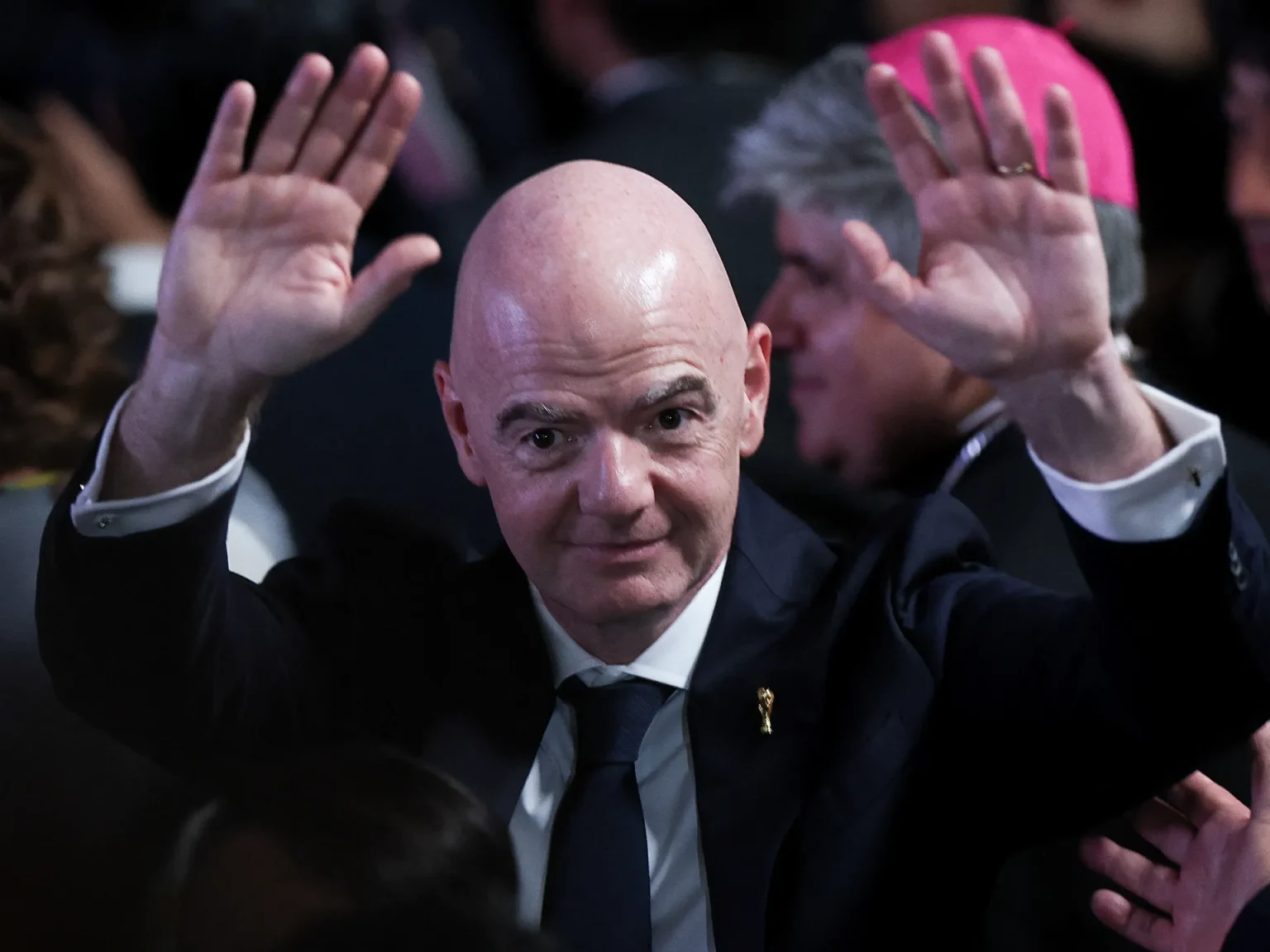
Gianni Infantino received public backing from six Arab national football federations on August 13, 2026, as pressure mounts on the FIFA president following the collapse of his World Cup investment plan. The joint statement expressed confidence in Infantino’s leadership and commitment to developing the sport globally, according to releases from the signatory associations.
The announcement, issued Thursday, named the heads of the federations from Qatar, Egypt, Lebanon, Morocco, Sudan and Mauritania as signatories. The release said the federations value football’s role in fostering cooperation across the Arab world and intend to continue close collaboration with FIFA under Infantino’s presidency.
Gianni Infantino: who signed and what they said
The joint declaration was signed by Sheikh Hamad bin Khalifa Al-Thani of Qatar, Hani Abou Rida of Egypt, the presidents of Lebanon and Sudan, Fawzi Lekjaa of Morocco and Ahmed Yahya of Mauritania. Officials noted that four of the six signatories—Al-Thani, Abou Rida, Lekjaa and Yahya—are also members of the FIFA Council.
According to the statement, the federations “deeply appreciate” Infantino’s ongoing efforts to expand opportunities across regions and to elevate football’s social role. The signatories said they will support initiatives aimed at strengthening the game and increasing the visibility of Arab football on the global stage.
Context: World Cup investment plan and governance concerns
The endorsement comes after months of turmoil triggered by Infantino’s controversial proposal to sell stakes in the FIFA World Cup to private equity investors. The so-called World Cup investment plan, reported to be valued at roughly $20 billion, was withdrawn after widespread criticism from confederations and national associations.
European football authorities, led by UEFA, warned of possible boycotts of FIFA events in response to the proposal. The Football Association of Ireland later said it had rescinded a previous letter of support for Infantino, citing concerns about governance, transparency and inadequate consultation, officials said.
FIFA convened an emergency meeting in Morocco last week and subsequently issued an apology to member associations over handling of the proposal, according to a FIFA statement. The governing body said its leadership continues to support Infantino while promising to address procedural and communication shortcomings related to the initiative.
Voting math and the road to the 2027 FIFA presidential election
The political fallout has immediate relevance to FIFA’s presidential election scheduled for March 2027. Under FIFA electoral rules, the president needs a simple majority of votes—106 of 211—if facing a single opponent. If three or more candidates contest the presidency, a two-thirds majority of 141 votes would be required in the first voting round.
Each member association carries one vote, meaning bloc dynamics matter more than confederation statements alone. The backing from six Arab federations bolsters Infantino’s tally but does not guarantee re-election, particularly if continental confederations and large blocs such as UEFA and CONMEBOL coordinate opposition.
Where support stands and shifting alliances
Support for Infantino remains mixed: several national federations and the Confederation of African Football (CAF) have expressed continued confidence in his leadership, while others, especially in Europe, have signaled strong reservations. The Irish decision to withdraw its support underscores the reputational risk stemming from governance questions tied to the investment proposal.
Observers note that some federations may weigh immediate financial incentives against longer-term governance concerns. The withdrawn plan had included a $20 million grant for member associations in the next financial cycle, with the potential for larger payments if associations accepted the investment structure, according to documents circulated among members.
Implications for global football governance and reform
The episode has reignited debates about transparency, consultation and the limits of commercialisation in global football governance. Governance experts and national officials have called for clearer safeguards when considering deals that could affect FIFA’s core competitions, according to media reports and federation statements.
Furthermore, the controversy highlights the tension between centralised deal-making and member-driven decision processes. Some federations argue for more inclusive deliberation before major strategic proposals are advanced, while others emphasize the need for new revenue sources to support development programs and smaller associations.
What to watch next
In the coming months, stakeholders will be watching for several developments: whether additional national associations retract or reinforce support for Gianni Infantino; any formal proposals to amend FIFA governance or consultation procedures; and how potential challengers position themselves ahead of the March 2027 presidential vote. Election math, possible alliances between confederations and the degree of public scrutiny will shape the outcome, officials and analysts suggest.
For now, the joint backing from six Arab federations offers Infantino a tangible boost as he navigates lingering criticism over the World Cup investment plan and related governance concerns. The next critical milestones will be federation-level meetings, confederation conferences and the formal candidate declarations ahead of the election cycle.