






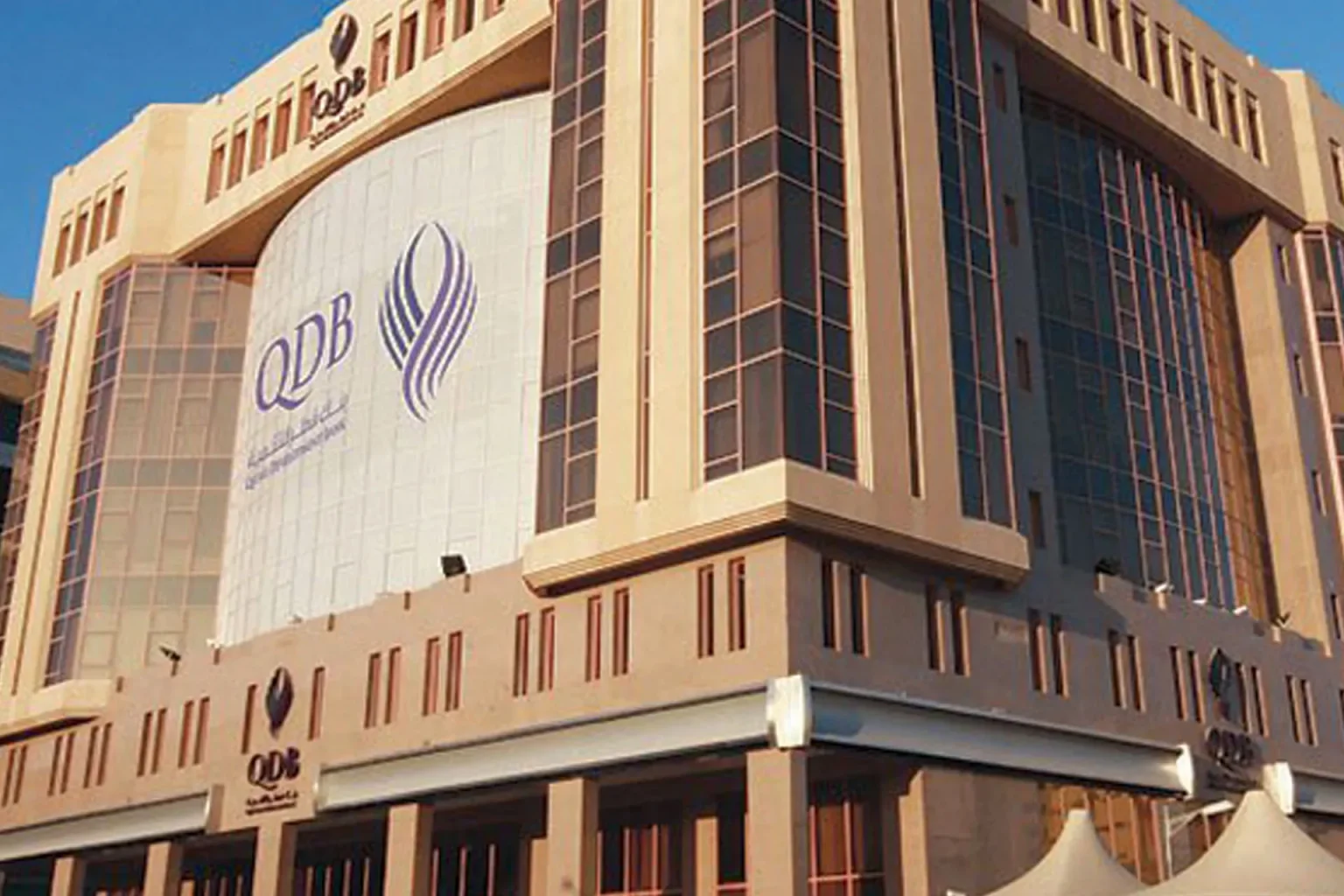

Qatar Development Bank expands support programs
Qatar Development Bank (QDB) announced on July 29, 2026, an expansion of several targeted support programs for the private sector, aiming to bolster business resilience and continuity of production. The announcement, officials said, widens eligibility to additional sectors and follows Qatar’s elevated placement in global labor market rankings. The move seeks to ease cost pressures and stimulate company growth.
Details of program expansions
According to the bank, the logistics support for imports program, which provides grants to offset rising import and logistics costs, will now cover all national manufacturers. Previously, eligibility had been limited to food, health and related industries. Meanwhile, the raw material stock financing program has been expanded to finance purchases of raw materials for all factories, enhancing operational readiness and production continuity.
Additionally, QDB widened the scope of its working capital stability guarantee to include the communications and information technology sector, alongside accommodation and hospitality, arts and entertainment, professional, scientific and technical services, and administrative services. The bank confirmed that its direct working capital financing will continue to be available to manufacturers across sectors to support uninterrupted operations.
Officials also said the bank extended the grace period for eligible companies under its loan rescheduling initiative, allowing firms more time to restructure liabilities and benefit from repayment flexibility. The announcement is intended to strengthen cash flow management for businesses still adjusting to global cost volatility.
Program mechanics and eligibility
The logistics support for imports grants are designed to alleviate higher import bills and associated freight or customs costs, which have been a recurring challenge for manufacturers. Therefore, broader eligibility should reduce immediate cost burdens for a wider group of domestic producers. The bank indicated that applications and further implementation details will be issued through its standard channels.
Raw material stock financing is intended to enable firms to maintain buffer inventory and avoid interruptions caused by supply chain disruptions. Furthermore, the extension of working capital guarantees to new sectors aims to improve access to credit for firms in services and tech-related industries, many of which cited liquidity constraints in recent statements to business associations.
Implications for businesses and the labor market
Analysts said the expanded measures could improve short-term liquidity and reduce production stoppages, supporting local value chains and employment. Qatar Development Bank’s broader support is likely to help smaller manufacturers manage higher input costs and maintain payrolls, thereby contributing to overall economic stability.
These measures coincide with Qatar’s ranking as second globally in the labor market pillar of the IMD World Competitiveness Yearbook 2026. The IMD report indicates gains in labor market flexibility and business efficiency, and officials noted that improved policy frameworks are making it easier for companies to recruit and retain talent.
Acting director general of the Qatar Chamber, Ali Bu Sherbak Al Mansouri, said the ranking reflects successful economic reforms and an environment that supports investor confidence. He added that private sector firms are beginning to see tangible benefits from regulatory changes that ease talent mobility and enhance operational environments.
How companies can prepare and apply
Companies seeking support should review eligibility criteria once QDB publishes the application guidelines, and prepare documentation that demonstrates manufacturing activity, sector classification, and financing needs. Therefore, firms are advised to engage with their relationship managers early to expedite approvals and benefit from immediate relief measures.
Financial officers should prioritize assessing cash flow projections and inventory needs to determine whether raw material financing or logistics grants will deliver the best short-term relief. Furthermore, service and tech companies newly covered by the working capital guarantee should evaluate existing credit lines to identify refinancing or expansion opportunities.
Secondary supports and complementary measures
Alongside direct financing and guarantees, businesses may benefit from complementary government programs and public-private partnerships that aim to improve logistics efficiency and reduce import bottlenecks. In addition, firms are encouraged to consult industry associations and chambers for sector-specific guidance on applying for bank support.
Outlook and next steps
Qatar Development Bank’s program expansion represents a tactical response to ongoing cost and supply disruptions while reinforcing broader competitiveness gains highlighted by the IMD report. Market observers will watch how quickly the bank rolls out application procedures and how many firms take up the newly available support.
Over the coming months, stakeholders should monitor QDB announcements for implementation timelines and any further sectoral adjustments. Companies and investors will also track indicators such as manufacturing output, employment trends, and credit uptake to assess the practical impact of the expanded measures.
In conclusion, the updated support packages aim to strengthen business resilience, promote continuity of production, and foster private-sector growth. Readers should expect detailed application guidance from QDB and monitor sector-specific uptake as the primary measures are put into effect.