







Countering hate speech: session highlights from Cairo conference
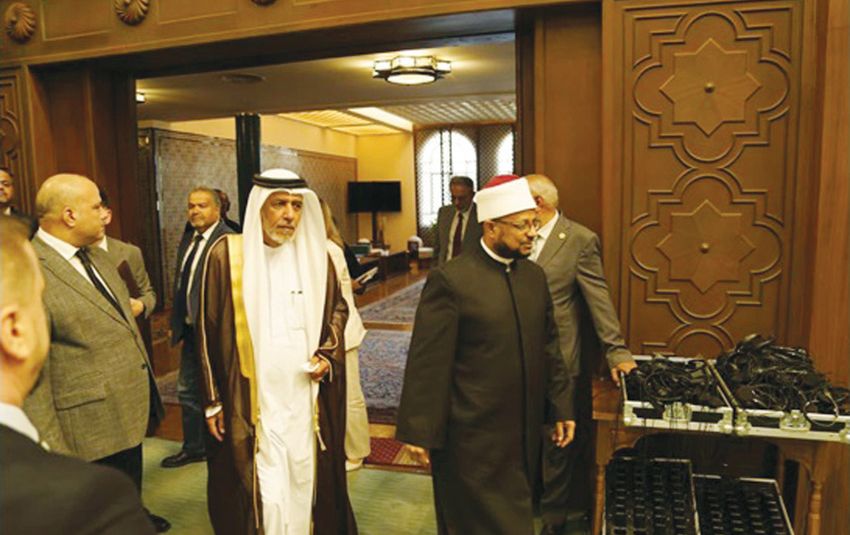
During a session in Cairo, officials underscored the urgency of countering hate speech as part of the Second International Conference on Combating Discrimination against Islam and Muslims. The session, titled “Best national, regional and international practices to combat hate speech against Muslims,” brought together representatives from the Arab League General Secretariat and ISESCO on a program focused on Islamophobia and community resilience.
Who spoke and where the event took place
Salah Yusuf Al-Jowder, a member of the Board of Trustees at the King Hamad Global Centre for Tolerance and Coexistence, addressed delegates in Cairo under the conference banner “Muslim communities in the West and their role in confronting Islamophobia.” The event was organized by the League of Arab States General Secretariat in cooperation with the Islamic World Educational, Scientific and Cultural Organization (ISESCO).
Bahrain presents a national model for coexistence and tolerance
Al-Jowder presented Bahrain as a national example of institutional commitment to tolerance and respect for religious freedom. He noted that the vision of King Hamad bin Isa Al Khalifa and the guidance of Crown Prince Salman bin Hamad Al Khalifa have shaped a civic approach that promotes dignity and interfaith dialogue across communities.
According to officials from the King Hamad Global Centre for Tolerance and Coexistence, the center’s programs and regional partnerships are designed to reduce Islamophobia and strengthen social cohesion through education, outreach and collaborative initiatives.
How hate speech evolves and the need for comprehensive responses
Speakers emphasized that hate speech often begins with stereotypes and prejudiced perceptions before escalating into discriminatory practices and exclusion. Al-Jowder summarized this progression and argued that preventing escalation requires early interventions across multiple social institutions.
Family, schools, places of worship, media outlets, legislative frameworks and civil society were identified as complementary levers to address root causes. Therefore, comprehensive strategies that combine education, civic engagement and regulatory measures are central to durable results against discrimination.
Practical measures discussed
Delegates and experts exchanged practical measures, including curriculum reforms, media literacy campaigns, and interfaith platforms that encourage respectful public discourse. Additionally, strengthening legal protections and monitoring mechanisms was cited as necessary to deter acts of exclusion and violence linked to inflammatory narratives.
Roles of institutions in preventing discrimination
Al-Jowder highlighted the integrated role of families and educational institutions in shaping attitudes from an early age. He added that faith communities and responsible journalism play crucial parts in promoting accurate representations and rebutting false stereotypes that fuel Islamophobia.
Legislators and civil society organizations were urged to work in partnership to translate values of coexistence into enforceable protections and community initiatives that enhance social cohesion.
Regional and international collaboration emphasized
The session underscored the value of cross-border collaboration in addressing hate speech. Representatives from regional bodies and international organizations described coordinated programs and information sharing as essential to scale effective practices and to monitor emerging trends in hostile narratives.
ISESCO and the Arab League were referenced as platforms for fostering joint research, capacity-building, and public awareness efforts that can be adapted to national contexts, according to conference materials and participant summaries.
Implications for policy and community action
Experts at the conference suggested that a multi-pronged approach improves resilience against discriminatory rhetoric while preserving freedom of expression. Therefore, policy design should balance protective measures with educational initiatives to avoid unintended restrictions on civil liberties.
Strengthening local community networks and promoting interfaith dialogue were presented as practical ways to counteract isolation and build trust among diverse populations. These community-level measures, combined with national strategies, contribute to broader social cohesion.
What to watch next
Organizers indicated that follow-up activities and expanded partnerships are likely to emerge from the Cairo sessions, although specific timelines were not announced. Observers should watch for policy briefs, pilot programs, and regional workshops spearheaded by the League of Arab States, ISESCO and national centers such as the King Hamad Global Centre for Tolerance and Coexistence.
Meanwhile, civil society groups and educational institutions are expected to adapt some of the recommended practices to local contexts to test their effectiveness against Islamophobia and to support long-term community resilience.
Conclusion: next steps toward lasting results
The Cairo conference reinforced that countering hate speech requires sustained political will, coordinated institutional action and community engagement. Continued monitoring of pilot initiatives, the publication of best-practice guidelines, and expanded intergovernmental cooperation will be key indicators to watch in the months ahead.
Therefore, stakeholders and the public should expect further announcements about training programs, collaborative research, and public awareness campaigns aimed at reducing discrimination and strengthening social cohesion across the region and beyond.