






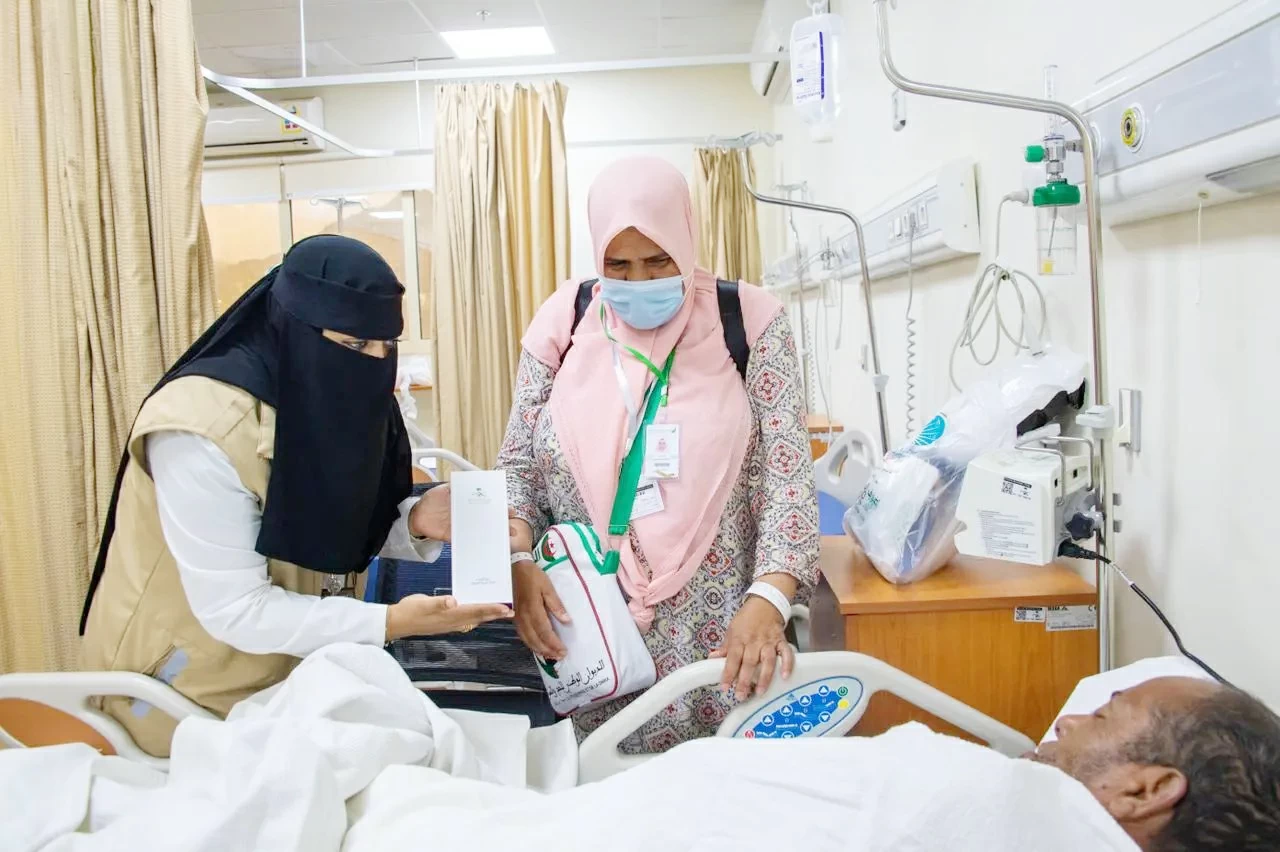

Saudi nursing workforce: 290,000 in nursing and midwifery
The Saudi nursing workforce now counts some 290,000 professionals in nursing and midwifery, including roughly 110,000 Saudi nationals, according to Ministry of Health data released this week. The figures, reported eight hours ago by health officials, cover both registered nurses and midwives across public and private sectors nationwide.
The data outlines current employment levels and is intended to inform policymakers as Saudi Arabia advances localization and service capacity goals. Officials said the numbers reflect recent hiring, licensure renewals and workforce registration activity tracked by regulatory bodies.
Drivers behind growth and health sector Saudisation
Officials attribute the increase to a combination of training expansion, targeted recruitment, and retention measures aimed at health sector Saudisation. Therefore, the Ministry of Health and allied institutions have intensified scholarship programs, clinical training seats and incentives for Saudi students to enter nursing and midwifery pathways.
Additionally, regulatory changes and revised licensing processes have streamlined entry for domestically trained graduates. Meanwhile, partnerships with universities and vocational institutes appear to be producing more locally qualified candidates, the ministry stated.
How the numbers break down and regional distribution
The ministry did not publish a full regional breakdown in the initial release, but officials indicated that larger provinces and major medical centers account for a substantial share of employment. Consequently, urban hospitals and specialist centers have absorbed a significant portion of new hires, while rural and remote areas continue to face recruitment challenges.
Furthermore, private-sector facilities have contributed to overall growth by hiring both expatriate and Saudi nurses. In contrast, public hospitals remain critical employers for newly licensed Saudis seeking stable clinical careers.
Impact on healthcare delivery and workforce localization
The expanded Saudi nursing workforce has implications for patient access, maternal and newborn care, and overall service resilience. Therefore, increasing the number of Saudi midwives is expected to strengthen maternal health services and reduce reliance on expatriate staff in sensitive care areas.
However, experts caution that headcount growth must be matched by quality assurance, continuing professional development and appropriate clinical placements. The ministry acknowledged that workforce localization involves not only hiring but also ensuring clinical competence and retention over time.
Training, recruitment and retention challenges
Education capacity, clinical supervision and competitive compensation remain central challenges as authorities pursue workforce localization. The report indicates that expanding training pipelines requires investment in simulation labs, faculty development and preceptorship programs to prepare nurses and midwives for demanding clinical roles.
Therefore, retention strategies such as career progression pathways, postgraduate specialization and workplace improvements are being considered. Officials also noted that international recruitment will likely remain part of the ecosystem while domestic training ramps up.
Education pipeline and regulation
Regulatory bodies are refining licensure exams and continuing education requirements to align with international standards. Furthermore, stakeholders said that aligning curricula with clinical practice and expanding postgraduate opportunities for nurses could accelerate professionalization and improve retention.
Economic and policy context
The workforce update comes against the backdrop of broader health sector reforms and Saudi Vision 2030 priorities that emphasize Saudisation and service quality. As a result, ministries and health authorities are coordinating on targets for national workforce shares and the distribution of specialties.
Budgetary allocations and strategic plans are expected to influence how quickly targets are met. Meanwhile, labor market conditions and the attractiveness of nursing as a career will affect long-term sustainability of staffing gains.
What to watch next
Observers should look for a detailed breakdown of the numbers by region, facility type and specialty in the ministry’s forthcoming reports. Therefore, follow-up publications and official statements will clarify progress on targets, training expansions and retention metrics over the coming months.
Policymakers will likely announce timelines for additional initiatives such as scholarship rounds, expanded clinical training seats and incentive packages. In the short term, the next quarterly workforce bulletin should provide more granular data to measure momentum toward localization goals.
In conclusion, the reported 290,000 nursing and midwifery professionals, including about 110,000 Saudi nationals, mark a significant milestone for the Saudi nursing workforce. However, sustaining improvements will require coordinated action on education, regulation and workplace reforms. Readers should watch for detailed regional data and policy announcements in the weeks ahead.