



Safarouna International Program brings UAE students to Moscow for 14-day learning exchange
Students from the UAE Ministry of Education took part in the Safarouna International Program in Moscow in 2026, undertaking a 14-day combined academic and cultural exchange. According to the ministry, the program blended classroom learning, hands-on projects, and visits to key scientific and historical sites to broaden students’ global perspectives and practical skills.
Academic curriculum at Moscow State University
The core academic component was hosted by Lomonosov Moscow State University, one of Russia’s leading institutions. During focused sessions, students engaged with topics including artificial intelligence, visual and performing arts, sports science, sustainability, and recycling practices. Furthermore, instructors guided group projects that translated theoretical concepts into prototype solutions, officials said.
Practical projects and skills development
Project-based learning was central to the itinerary, enabling students to apply classroom lessons to real challenges. Teams developed small-scale initiatives related to waste reduction and sustainable design, and they presented findings to peers and faculty. The structure aimed to strengthen problem-solving, collaboration, and communication skills while exposing participants to international academic standards.
Cultural visits and community engagement in Moscow
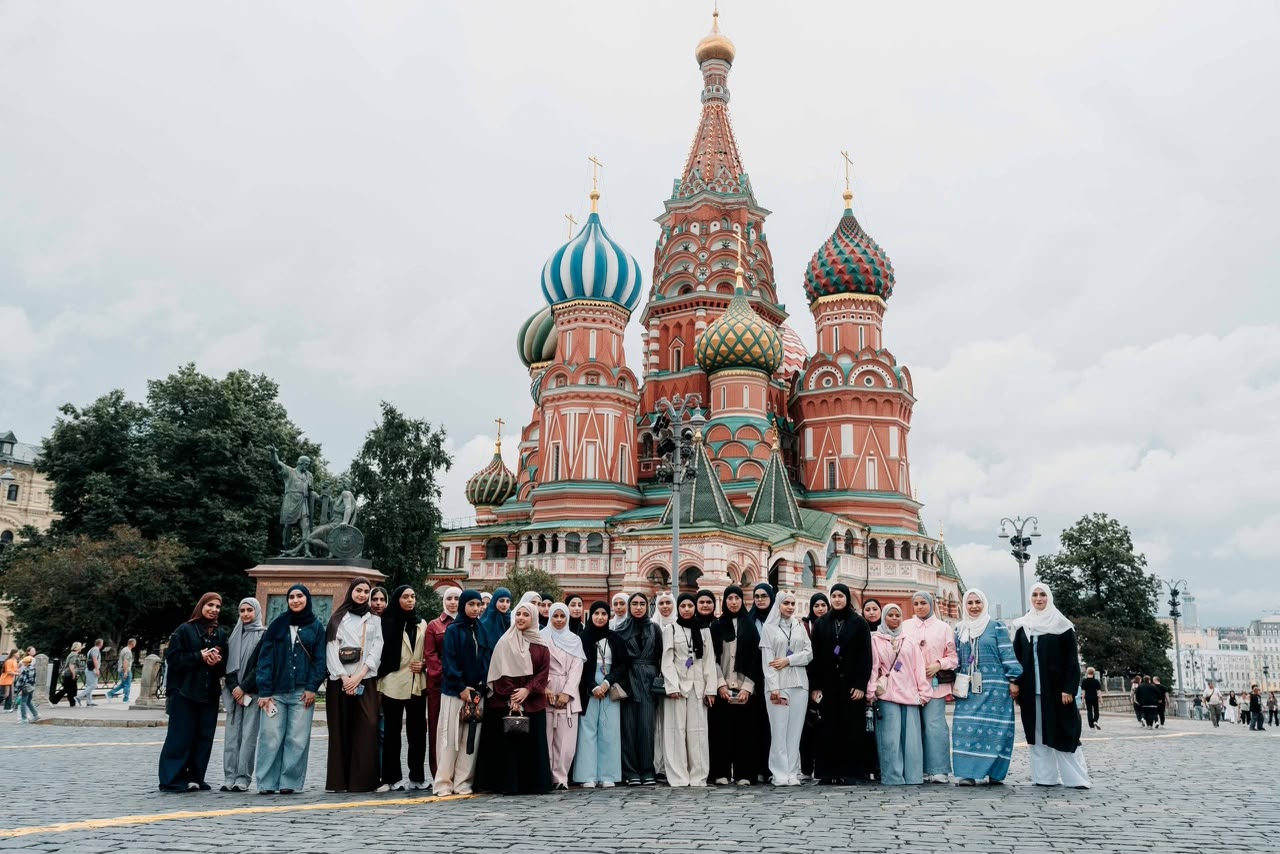
Beyond lectures, the program included field visits to institutions such as the ATOM museum, the Kremlin complex, Red Square, Zaryadye Park, and the Izmailovo cultural and recreational hub. These excursions allowed students to encounter Russian history, science, and civic spaces firsthand, enhancing contextual understanding of the subjects discussed in class.
In addition to formal tours, interactive cultural activities and community engagements were scheduled to help students develop adaptability and intercultural communication. According to the ministry, such encounters fostered mutual respect and provided a platform for students to compare educational practices and community initiatives across countries.
How the exchange promoted future-ready competencies
Organizers emphasized that the Safarouna International Program was designed to cultivate competencies aligned with future workforce demands. Exposure to artificial intelligence topics introduced students to foundational concepts and ethical considerations, while arts and sports modules addressed creativity, resilience, and physical well-being. Meanwhile, sustainability and recycling sessions connected environmental literacy with civic responsibility.
Interactive workshops and collaborative assignments encouraged autonomy and leadership. Participants reported improved adaptability and teamworking abilities, and educators noted gains in students’ confidence to propose and test practical solutions in interdisciplinary contexts.
Impact on participating students and schools
The ministry stated that the program’s integrated approach aimed to prepare students who are both proud of their national identity and open to global perspectives. Returning students are expected to share their experiences through school presentations, project demonstrations, and peer-led workshops. These follow-up activities are intended to amplify the benefits of the exchange across the wider school community.
Officials indicated that the initiative also serves as a model for future student cultural exchange efforts, encouraging other schools to adopt project-based and internationally connected curricula. Furthermore, the interactions with Moscow State University faculty created potential channels for future collaborations in curriculum development and teacher training.
Program context and international cooperation
The Safarouna International Program aligns with broader education goals to equip young people with cross-cultural competencies and technical literacy. The collaboration with Lomonosov Moscow State University reflects an emphasis on leveraging international partnerships to enhance local education outcomes. Analysts note that such exchanges can contribute to long-term innovation by exposing students and educators to diverse methodologies.
While the program focused on secondary students, its interdisciplinary model suggests applicability across different educational levels. Ministries and school leaders can look to the program’s mix of academic rigor, practical application, and cultural immersion as a template for similar initiatives.
What to watch next
On return to the UAE, participating students are expected to document and present their project outcomes to peers and school leaders, and the ministry has indicated it will monitor how the experiences translate into classroom practice. Observers should watch for follow-up reports detailing project implementation in schools and any formal announcements about expanded or recurring cohorts of the Safarouna International Program.
Further developments may include formalized partnerships with international universities and dissemination of best practices for integrating artificial intelligence education and sustainability into national curricula. Stakeholders will likely evaluate the program’s measurable impact on student skills and school innovation in the months following the exchange.