






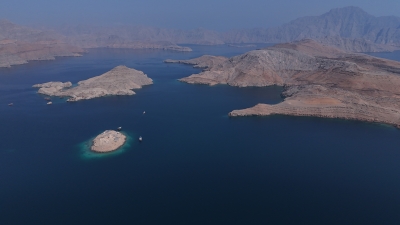

Musandam Coral Park: Project Overview
The Musandam Coral Park project is a coral restoration initiative underway in the Musandam governorate of Oman, aimed at rehabilitating damaged marine sites and expanding coral cover. According to the Musandam Environment Department, the effort began in 2023 and combines artificial reefs, coral transplantation and a multi-year monitoring program running through 2029.
The first phase of the project placed 250 environmentally friendly concrete structures on the seabed in 2023, followed by another 250 in 2024. Officials said those 500 structures now form the physical foundation of a planned marine habitat that supports fish and invertebrate life while providing sites for coral fragments to reattach and grow.
Implementation, Materials and Monitoring at Musandam Coral Park
Project managers described a phased approach to coral restoration that balances habitat engineering with careful biological selection. In 2025 the program added coral transplantation to 250 concrete units and deployed 50 aluminum plates seeded with coral fragments; in 2026 crews planned to complete transplantation on the remaining 250 units and add another 50 aluminum plates.
Concrete modules and aluminum plates are used as artificial reefs designed to be inert and to resist corrosion in local conditions. Divers attach coral fragments using marine-safe adhesives and clips, officials said, sourcing only naturally detached or otherwise sustainable fragments to avoid harming donor colonies.
Monitoring, identification and data protocols
Each submerged unit carries a durable identification code linked to a centralized database that records deployment date, component condition, attached coral pieces, and photographic and video documentation. Teams of specialized divers conduct routine inspections to measure survival rates, growth, and health indicators such as bleaching or disease.
Environmental monitoring includes regular measurements of water clarity, percent coral cover, and the presence and abundance of fish and associated species. Officials said semiannual assessments will continue through the end of 2029, with data used to refine techniques and report outcomes to national authorities.
Why the Musandam Coral Park Matters for Marine Biodiversity
Coral reefs are critical for marine biodiversity, offering shelter, feeding grounds and nursery habitat for many species. The Musandam Coral Park is designed to increase reef area, ease pressure on natural reef patches and encourage recovery of fish populations, according to department statements.
The project aligns with Oman’s commitments under global biodiversity agreements and contributes to Sustainable Development Goals targeting healthy oceans. Furthermore, practitioners expect the artificial reefs to accelerate the return of commercially and ecologically important species, improving both conservation outcomes and local fisheries resilience.
Restoration Techniques and Best Practices
Officials emphasized selection of coral fragments that are likely to adapt and survive in the new locations. The team prioritizes pieces that have detached naturally or come from sources that will not compromise existing colonies, a practice intended to maintain ecological balance.
Standardized attachment methods and the use of materials that minimize leaching or physical harm are central to the project’s protocol. Furthermore, researchers and field technicians document each transplant and follow a consistent timeline for follow-up inspections and remedial interventions if required.
Community Engagement and Environmental Responsibility
Project staff pointed to community awareness and stewardship as essential complements to technical restoration work. Local outreach, beach clean-ups and social-media campaigns are planned to reduce behaviors that damage reefs, such as littering and destructive fishing, officials said.
Environmental specialists also urged public cooperation to protect the deployed structures and newly growing corals. They noted that long-term success depends on limiting direct human pressure and improving waste management in coastal areas adjacent to restoration sites.
Expected Results and Next Steps
Authorities expect to see measurable increases in coral cover and species diversity over several years, with early signs including recruitment of fish and invertebrate communities around the artificial reefs. The department aims to compile an integrated scientific database documenting growth rates, survival percentages and environmental trends to guide expansion.
Planned next steps include completing the 2026 transplanting phase, continuing semiannual evaluations through 2029, and evaluating scalability of the approach for other Omani coastal sites. Officials said lessons learned will inform potential replication of the Musandam Coral Park model elsewhere.
Conclusion and What to Watch
The Musandam Coral Park represents a structured attempt at coral restoration that pairs engineered habitats with rigorous monitoring. Readers should watch for interim monitoring reports and scientific summaries released by the Musandam Environment Department, particularly the semiannual evaluations scheduled through 2029.
Ultimately, the project’s progress will hinge on continued monitoring, community cooperation and adaptive management to respond to environmental change. If outcomes meet targets for survival and growth, the initiative could provide a replicable model for coral restoration and marine biodiversity conservation across Oman.