






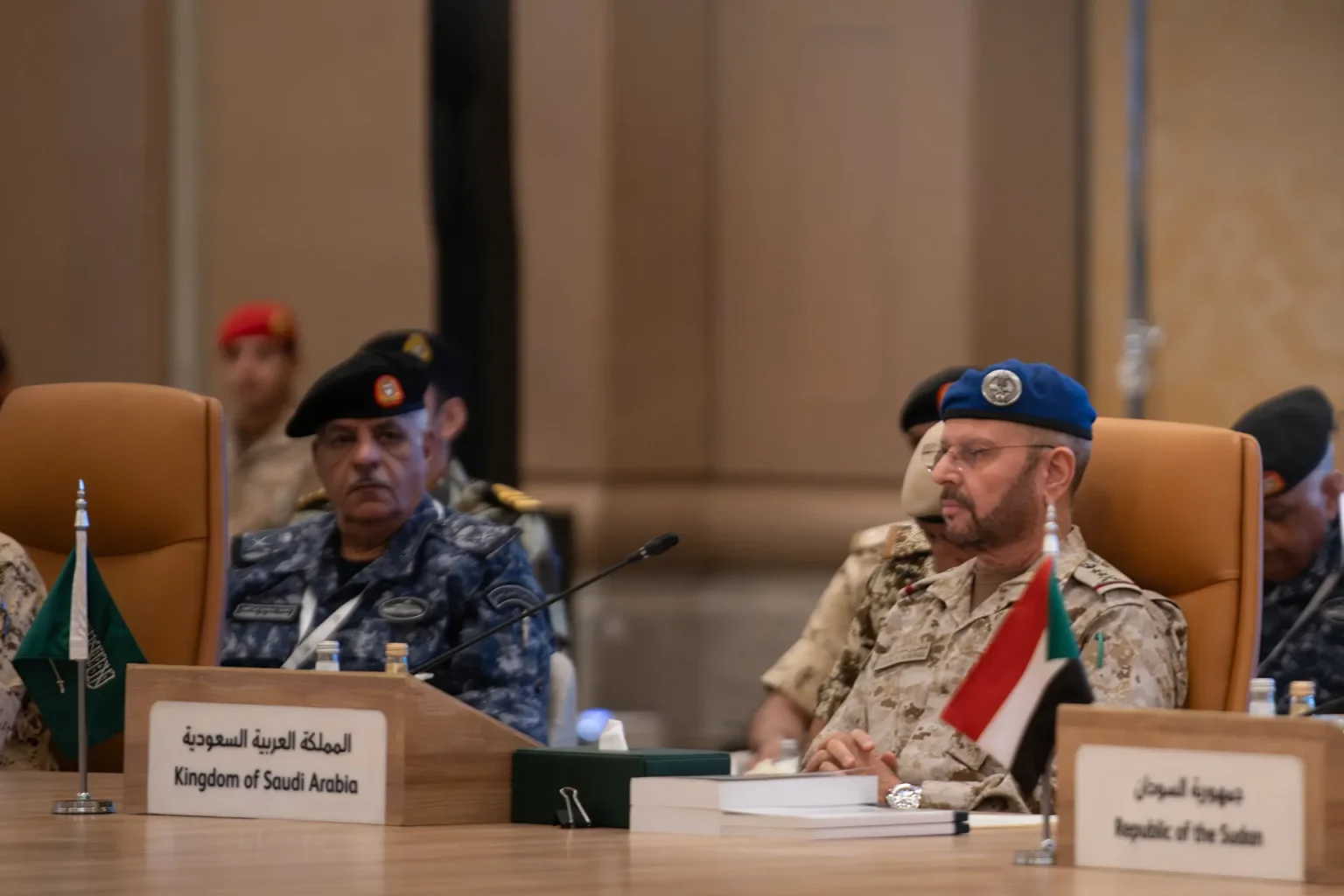

Saudi-led maritime defense alliance announced after Riyadh meeting
Fourteen countries on Thursday, July 30, 2026, announced support for a Saudi-led maritime defense alliance following a founding meeting hosted in Riyadh, Saudi Arabia. The declaration, issued in a joint statement, follows talks intended to establish a multinational framework to address rising threats to shipping and energy routes in the region.
The meeting, convened by Saudi authorities, drew representatives from 43 of the 51 invited states and organizations, with many attending in person and others joining virtually. The Saudi Ministry of Defense posted details of the discussions on platform X, saying participants addressed recent attacks on commercial vessels, tankers and maritime infrastructure and agreed to move toward formalizing the new alliance.
Main members and founding states of the Saudi-led maritime defense alliance
The joint statement listed the 14 founding states as Saudi Arabia, Qatar, Kuwait, Bahrain, Pakistan, Turkey, Egypt, Jordan, Yemen, Bangladesh, Nigeria, Sudan, Djibouti and Somalia. According to the communique, those governments pledged to complete domestic procedures needed to accede formally to the alliance’s charter.
Participation, the statement said, remains a sovereign decision for each state, and the alliance will operate subject to national laws and procedures. Additionally, the founding states invited other countries that share the alliance’s objectives and principles to join, signaling a potential expansion of the coalition.
Objectives and planned activities to bolster maritime security
Officials said the new Saudi-led maritime defense alliance aims to create an institutional defense framework focused on protecting maritime security, preserving freedom of navigation and safeguarding international trade routes. The alliance’s stated tasks include securing energy supply lines, enhancing intelligence sharing and developing joint operational planning.
Planned activities listed in the joint statement include combined naval patrols, information and surveillance exchanges, joint exercises, capacity-building programs and coordinated maritime operations. The alliance will reportedly prioritize interoperability and standardized procedures among member navies to respond to asymmetric threats at sea.
Where the alliance will operate and headquarters arrangements
The founding states agreed that Saudi Arabia will host the alliance’s principal bodies, including a joint command, a combined headquarters, a maritime operations center and a secretariat. Officials said those institutions will form the main executive structure for coordinating operations and planning.
Operational focus, the statement indicated, will center on three critical maritime corridors that underpin global trade and energy shipments: the Bab al-Mandeb strait, the Red Sea and the Gulf of Aden. Meanwhile, officials acknowledged that attacks in other nearby waterways, including the Strait of Hormuz, have shaped the urgency behind the initiative.
Security context: why the alliance was announced now
The announcement comes amid a surge in maritime attacks attributed to regional conflicts and proxy dynamics, according to the joint statement and regional officials. Recent incidents targeting commercial ships and energy infrastructure—coupled with clashes linked to the broader U.S.-Iran tensions and renewed hostilities involving Houthi forces in Yemen—have raised concerns over uninterrupted shipping and energy flows.
Saudi and regional officials have pointed to a string of assaults on tankers, naval incidents and the targeting of coastal infrastructure as immediate drivers for collective action. The founding communiqué stressed that the alliance is defensive in nature and does not target any nation or external organization, adding that all activities will adhere to international law and United Nations conventions.
Implications for regional geopolitics and commercial shipping
Analysts say the alliance could recalibrate security arrangements in the Red Sea and adjacent waters, where chokepoints funnel a large share of global maritime commerce. Therefore, the presence of a coordinated multinational force may deter some hostile activity and reassure shipowners and insurers, though effectiveness will depend on member contributions and rules of engagement.
Furthermore, the alliance could deepen security cooperation between Gulf states and partners from outside the immediate neighborhood, such as Pakistan, Turkey and Egypt. However, observers caution that an expanded security footprint may complicate relations with external actors who view the initiative through the lens of competing regional interests.
Legal framework, transparency and international law
The founding statement emphasized that alliance operations will be conducted in compliance with international law, including United Nations conventions and established maritime norms. Officials pledged transparency in activities and a commitment to respect the sovereignty of coastal states while coordinating collective responses to threats.
Experts said that firm legal guidelines and clear operational mandates will be essential for avoiding unintended escalation during interdiction operations or when confronting non-state actors at sea. Therefore, the drafting of a charter and rules of engagement is likely to be a priority in the alliance’s early stages.
Next steps and what to watch
According to the joint statement, the immediate next steps include completion of internal ratification procedures by the founding states and the institutional set-up of the joint command and maritime operations center in Saudi Arabia. Officials indicated members will work on a formal charter and an operational timetable, although no firm dates were provided.
Observers should watch for announcements on the alliance’s charter, the first joint exercises, and details about force contributions and command arrangements. Additionally, any changes in maritime insurance rates, ship routing choices and diplomatic reactions from regional and external powers will indicate how the new alliance affects broader maritime security dynamics.