






Pediatric achalasia identified at Tadawi Hospital in Dubai
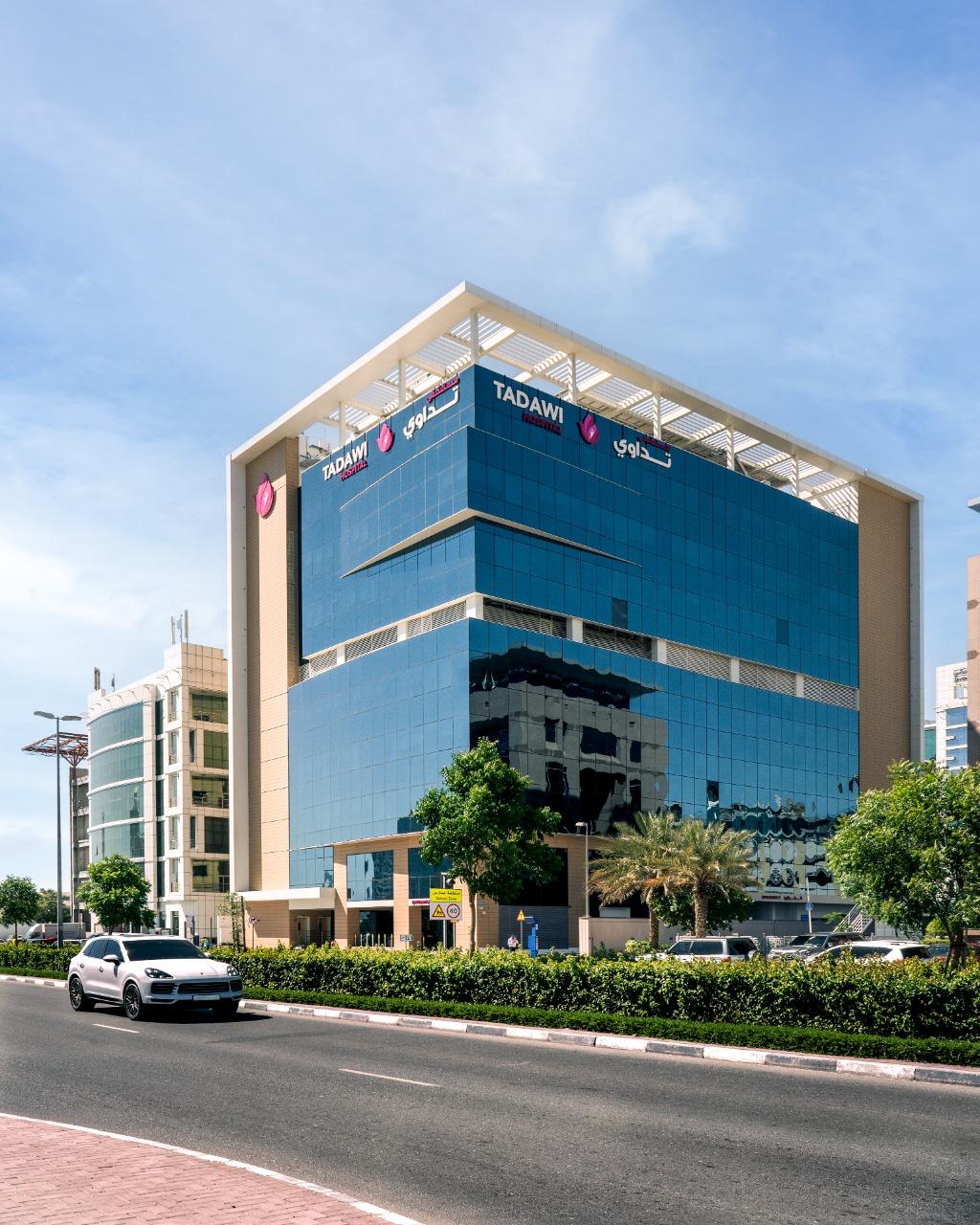
A multidisciplinary medical team at Tadawi Hospital in Dubai successfully diagnosed and treated a child with pediatric achalasia after years of unexplained symptoms. The girl, who had experienced progressive difficulty swallowing and chronic reflux for about three years, was evaluated in the pediatric clinic and received a targeted diagnostic study that led to a prompt diagnosis.
The diagnosis and subsequent endoscopic treatment restored normal swallowing and supported recovery of growth and development, hospital officials said. The case underscores the role of careful clinical assessment and timely specialist referral in rare esophageal conditions.
How the diagnosis was reached
The patient first presented with upper respiratory–like symptoms, but clinicians noted that her weight and height were below expected levels for her age. Therefore, the pediatric team expanded the assessment to include questions about feeding, vomiting, and growth, which revealed long-standing difficulty swallowing and recurrent reflux despite prior symptomatic treatment.
Working with the radiology department, the team performed a contrast esophagram, commonly known as a barium swallow, which demonstrated impaired passage of contrast into the stomach. Within minutes the imaging study clarified the underlying cause as a motility disorder consistent with pediatric achalasia, allowing the team to move quickly to treatment planning.
Treatment: endoscopic intervention and recovery
Following diagnosis, the child underwent an endoscopic therapeutic procedure at Tadawi Hospital that relieved the functional obstruction at the lower end of the esophagus. The intervention was successful, and clinicians reported the patient regained painless swallowing and began catching up on growth in subsequent follow-up visits.
According to clinical guidance and specialist literature, treatment options for achalasia may include endoscopic methods and surgical approaches such as pneumatic dilation, Heller myotomy or peroral endoscopic myotomy (POEM), depending on patient age and anatomy. In this case, the multidisciplinary team selected the least invasive effective option and monitored recovery closely.
Symptoms, assessment and imaging in suspected cases
Achalasia is an uncommon esophageal motility disorder in children and can mimic more common pediatric conditions early on. Difficulty swallowing, chronic regurgitation, recurrent chest pain and unexplained faltering growth are signals that warrant further evaluation, specialists said.
Imaging studies such as a barium swallow help visualize the passage of food and liquid and can quickly indicate impaired relaxation of the lower esophageal sphincter. Therefore, persistent or unexplained feeding problems should prompt primary care providers to consider referral for targeted testing rather than prolonged empirical treatment alone.
Why a multidisciplinary approach matters
The case at Tadawi Hospital highlights the value of collaboration among pediatricians, radiologists and gastroenterologists. By combining clinical observation, growth assessment and specialist imaging, the team arrived at the correct diagnosis without unnecessary delay, officials said.
Furthermore, coordinated care allowed the team to plan an appropriate intervention and arrange follow-up for nutritional rehabilitation and developmental monitoring. Therefore, integrated specialist pathways can improve outcomes in rare conditions that present with nonspecific symptoms.
Advice for parents and primary care providers
Parents should seek medical review if a child shows ongoing difficulty swallowing, persistent vomiting or reflux, unexplained weight loss or slowed growth. Early evaluation by a pediatrician and timely referral to pediatric gastroenterology or radiology for an esophagram can reduce delays in diagnosis and treatment.
Primary care providers are encouraged to view common symptoms within the broader clinical context. Meanwhile, radiologic and endoscopic assessments remain essential tools when feeding issues persist despite standard therapy, experts advise.
Implications and what to watch next
This successful diagnosis and treatment at Tadawi Hospital in Dubai illustrates the practical impact of attentive clinical care and specialist collaboration in rare pediatric disorders. The medical team plans continued follow-up to monitor swallowing function, nutritional status and growth milestones over the coming months.
Readers should watch for updates from the treating center about longer term outcomes and any published case details that may inform clinical practice. In the meantime, clinicians and families are urged to prioritize early assessment for unexplained difficulty swallowing to improve the chances of prompt, effective care.