



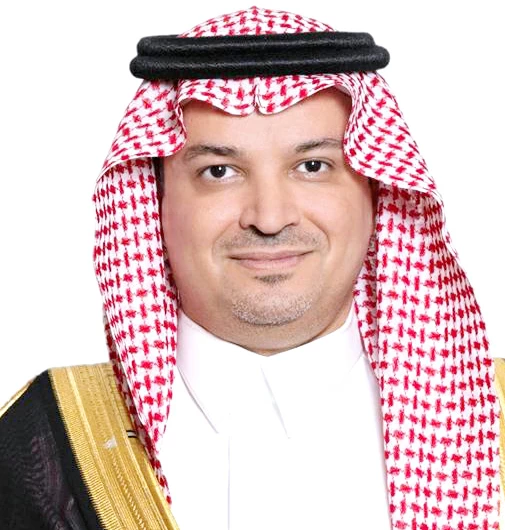

Riyadh University of Arts appointment and immediate mandate
The Ministry of Culture recently appointed Dr. Mohammed Hassan Alwan as president of Riyadh University of Arts to lead the institution through its academic and operational launch. The decision, issued by Minister of Culture Prince Badr bin Abdullah bin Farhan, tasks Dr. Alwan with preparing the university in Riyadh to receive its first cohort of students in specialized arts programs.
Dr. Alwan will oversee the development of academic programs, operational readiness, and partnerships with educational and sector stakeholders, according to ministry statements. The appointment is part of broader efforts to expand higher education in the arts and strengthen the pipeline of national talent for the creative economy.
Riyadh University of Arts leadership and strategic priorities
As president, Dr. Alwan is expected to set academic standards, coordinate faculty recruitment, and finalize curricula that blend theory with practical training. Furthermore, he will guide the university’s operational framework, including governance, accreditation pathways, and facilities planning, the ministry said.
Officials emphasized that the university will prioritize interdisciplinary collaboration across theater, music, film and cultural management to foster a comprehensive learning environment. Therefore, building strategic partnerships with domestic cultural institutions and international academic partners will be a central element of his mandate.
Dr. Mohammed Hassan Alwan’s professional and academic background
Dr. Mohammed Hassan Alwan brings experience from the cultural sector, having served as chief executive of the Theater and Performing Arts Authority since November 2024. Prior to that, he was chief executive of the Literature, Publishing and Translation Authority from 2020 to 2024, roles that provided executive experience in cultural policy and sector development, according to official profiles.
His academic credentials include a Ph.D. in International Business Administration from Carleton University in Canada, an MBA from the University of Portland in the United States, and a bachelor’s degree in Computer Information Systems from King Saud University. These qualifications align with the university’s ambition to combine arts education with management and technical literacy.
Academic programs, teaching model and first intake
The university plans to offer specialized degree programs in theater and performing arts, music, film, and cultural management, following a model that integrates academic study with hands-on practice. According to the ministry, the curriculum is being designed to nurture creative talent and prepare graduates for careers across the cultural and creative industries.
Riyadh University of Arts will aim to equip students with both artistic skills and sector-relevant management capabilities to support sustainable careers in the creative economy. Meanwhile, the institution’s practical training elements are intended to create immediate industry linkages and internship opportunities.
Program development and quality assurance
Program development will involve academic committees and external advisors to ensure alignment with international standards and local needs. Therefore, accreditation processes and quality assurance mechanisms will be part of the initial setup led by the new president.
Implications for Saudi cultural policy and Vision 2030
The university is one of the Ministry of Culture’s initiatives aimed at expanding higher education in arts and culture, supporting objectives outlined by Saudi Vision 2030. By focusing on specialized higher education in the arts, the project intends to develop national competencies and elevate the cultural sector’s contribution to economic development.
Observers note that strengthening performing arts education and other creative fields can help build a more diverse cultural ecosystem, increase employment opportunities, and support local content production. Therefore, the establishment of the university complements other sector reforms and investment in creative industries.
Partnerships, industry links and workforce development
Officials said Dr. Alwan will prioritize building partnerships with cultural organizations, private-sector companies, and international institutions to enhance learning and career pathways. Such collaborations are expected to provide students with internships, collaborative projects, and exposure to professional networks.
In addition, the university will seek to align its programs with the needs of the creative industries, ensuring graduates possess both artistic proficiency and practical skills in management, production, and digital technologies. This alignment is intended to accelerate workforce readiness and support the sector’s growth.
What to watch next and expected timeline
Readers should watch for forthcoming announcements on admissions, program accreditation, and faculty appointments as the university prepares to welcome its inaugural cohort. The ministry indicated that the launch sequence will include finalizing curricula, confirming partnerships, and opening application channels, with timelines to be published by the university administration.
In the short term, Dr. Alwan’s priorities will include operationalizing facilities, recruiting academic staff, and securing industry collaborations. Therefore, stakeholders and prospective students can expect staged updates from the Ministry of Culture and the university as preparations advance.
Forward-looking outlook
Riyadh University of Arts is positioned to play a central role in developing Saudi talent for the performing arts and broader creative sectors. As the new president implements the university’s foundational plans, the institution’s progress will provide a useful indicator of how specialized higher education is evolving to support national cultural and economic objectives.
Officials and observers will likely monitor admissions, program quality, and partnership outcomes as the next measures of success. Meanwhile, the ministry’s initiative signals a sustained commitment to expanding opportunities in arts education and strengthening the creative industries ecosystem.