





Arabic calligraphy workshop hosted at House of Art in Izki
Officials said a recent Arabic calligraphy workshop brought beginner students together for a mixed theoretical and practical session at the House of Art in Al Yaman village, Wilayat of Izki. The Arabic calligraphy workshop introduced participants to basic tools, correct pen-holding technique and foundational rules aimed at transitioning newcomers to more advanced levels over time.
Organizers described the session as part of a stepped training path that balances classroom instruction with hands-on practice. Participants received a training workbook containing exercises that move learners from single letters to word formations and full line compositions, according to program materials.
Tools, techniques and curriculum of the calligraphy training
The workshop covered traditional calligraphy tools and essential techniques. Instructors demonstrated how to prepare and use reed pens, correct ink consistency, and apply pressure and pen angle to control stroke width. Furthermore, the curriculum addressed proportion, spacing and the visual rhythm that defines the most recognized styles.
Beginner calligraphy segments emphasized correct grip and posture, stroke repetition and basic letter shapes. These practical segments paired with short theory modules on the history and varieties of Arabic scripts, allowing participants to place technical work in a broader cultural and artistic context.
Instruction approach and instructor perspectives
Ishaq Al-Darmaki, the lead calligrapher on the program, explained that the initiative follows a progressive pathway combining theory and practice. According to organizers, the approach is intended to build concentration, precision and craftsmanship among novices while creating a clear route to intermediate study.
Al-Darmaki said the series chose Arabic calligraphy as an initial focus because of its proven value in training fine motor control and visual discipline, which are transferable to other art forms. He noted strong engagement from attendees and described the workshop as a foundational step for students hoping to pursue more technical or decorative directions in calligraphy.
Participant experience and learning outcomes for beginner calligraphy
Participants worked through guided exercises in the supplied training booklet. Exercises progressed from isolated letter drills to linked letter sequences and short sentence layouts, allowing learners to practice proportion and connectivity under instructor feedback. This practical emphasis is central to the calligraphy training philosophy used by the House of Art.
Feedback collected by organizers indicated that many attendees gained confidence in controlling pen pressure and in composing balanced letterforms. Meanwhile, instructors observed improvements in spacing and overall letter cohesion after repeated practice sessions, which suggests the modular methodology is meeting its pedagogical aims.
Integration with decorative arts and wider creative programs
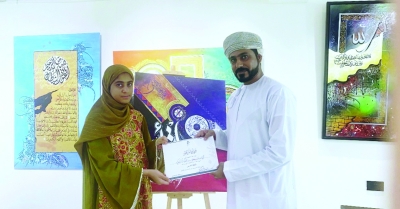
The workshop also explored the relationship between calligraphy and other visual arts, including how script can function in design and ornamentation. This aligns with the House of Art’s broader initiative to develop creative skills across disciplines, offering participants opportunities to apply calligraphic techniques in painting, graphic composition and decorative panels.
Program coordinators said future modules may incorporate combined workshops that link calligraphy with pattern design and small-scale mixed-media projects, enabling students to experiment with practical applications of letterforms beyond traditional formats.
Community impact and cultural context
Local cultural advocates welcomed the workshop as a practical way to preserve and promote a core artistic heritage while supporting skill development among young creators. Cultural officials said initiatives like this contribute to community arts capacity and provide pathways for participants to engage in local exhibitions and craft markets.
Observers noted that accessible training opportunities help demystify specialized arts and create entry points for people who might otherwise lack exposure to formal instruction. Therefore, the workshop serves both educational and community-building functions by encouraging sustained practice and local engagement.
What comes next: follow-up training and opportunities
Organizers announced plans to continue the training series with follow-up sessions designed for intermediate skill development. Those sessions are expected to expand on style specificity, introduce advanced letter composition, and offer guided projects that culminate in finished calligraphic panels.
Participants were advised to continue daily practice with the workbook exercises and to look for upcoming enrollment notices for intermediate-level classes. Officials said the House of Art will evaluate the pilot workshop’s outcomes and adjust pacing and content based on participant progress and feedback.
Readers interested in future classes or in community exhibition schedules should watch for official announcements from the House of Art in Izki. The program’s next phase will likely be scheduled within the coming months if current participation trends hold steady.