






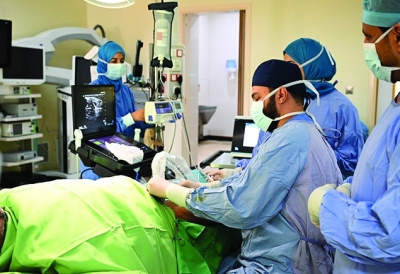

Surgical operations in Oman show notable growth in 2025
According to Ministry of Health data, surgical operations in Oman increased markedly in 2025, reflecting expanded capacity and specialized care across the public hospital network. The ministry reported that 17 public hospitals performed a combined 101,682 surgical procedures during 2025, up from 93,119 procedures in 2024, a clear year-on-year rise in surgical volume and service delivery.
The data covers hospitals across multiple governorates and indicates not only an absolute increase in procedures but also higher average surgical throughput per facility. The ministry stated that the average number of surgeries per hospital in 2025 reached approximately 5,982, underscoring sustained investment in operating theatre availability and specialist staffing.
Surgical operations in Oman: 2025 growth and distribution
The growth in surgical operations in Oman was driven by a handful of high-volume referral centers, while smaller regional hospitals continued to deliver essential surgical services. Khoula Hospital led the list with 19,959 procedures, leveraging its role as a tertiary referral center for complex specialties such as orthopedics, spine and neurosurgery, according to the ministry’s summary.
Following Khoula, Sohar Hospital performed 15,005 operations, and the Sultani Hospital recorded 12,066 procedures. Nizwa Hospital also registered significant activity with 10,287 surgeries. Meanwhile, Sultan Qaboos Hospital in Dhofar reported 7,663 procedures, and Rustaq posted 7,386 surgeries. These figures illustrate how regional referral hubs and governorate hospitals together accounted for the bulk of surgical throughput.
Leading hospitals and regional breakdown
The Ministry of Health’s dataset shows that Muscat governorate hospitals accounted for the largest share of procedures, representing 37.3% of the national total. North Al Batinah followed with 14%, while Al Dakhiliyah contributed 10.7% and South Al Sharqiyah 6.3% of operations. These proportions reflect referral patterns and the concentration of specialist services in urban centers.
Other hospitals reported varying caseloads, with Al Nahdha Hospital performing 5,895 surgeries, Ibri 6,666, Ibra 4,832, and Sur 4,683 procedures. Buraimi, Samail, Jaalan Bani Bu Ali, Sinaw and Khasab recorded lower but operationally important volumes depending on the facility’s service mix and catchment population.
At the lower end of the scale, Haima Hospital recorded 16 operations and Saham Hospital 134, highlighting the wide range of surgical activity across the system. These differences reflect a mix of factors including local demand, bed and theatre availability, and the presence or absence of specialist teams.
Implications for hospital capacity and specialized care
The upward trajectory in surgical operations in Oman has implications for hospital capacity planning and workforce development. Increased surgical volume often signals improvements in hospital capacity—operating rooms, post-anesthesia care, and inpatient beds—but also creates pressure for sustained investment in surgical teams, nursing staff and perioperative support.
Furthermore, the concentration of complex cases in referral hospitals suggests ongoing centralization of specialized services. Therefore, health system planners will need to balance investments that strengthen regional hospitals’ capability for common and urgent procedures with continued support for tertiary centers that manage complex and high-acuity cases.
Officials said these trends align with broader objectives to enhance the quality of healthcare services and reduce the need for overseas referrals by providing more advanced surgical care locally. Strengthening surgical training, expanding operating theatre hours, and optimizing scheduling are likely contributors to the observed growth, according to the ministry’s release.
Operational challenges and quality considerations
While rising surgical counts are a positive indicator of access, they also require close monitoring of quality and patient safety metrics. Hospital leaders will need to ensure infection control, surgical outcomes monitoring, timely follow-up care, and efficient bed turnover. Additionally, supply chain stability for surgical consumables and equipment maintenance becomes more critical as case volumes grow.
Officials have emphasized the need for continuous quality improvement and accreditation processes to maintain standards of care. Meanwhile, digital health tools and enhanced perioperative management protocols may help hospitals manage higher caseloads without compromising outcomes.
What to watch next
Stakeholders should watch upcoming ministry reports for disaggregated outcome data, including complication rates, readmissions and elective surgery wait times. These indicators will provide a fuller picture of how increased surgical throughput translates into patient outcomes and service efficiency.
In the short term, observers can expect the Ministry of Health to publish periodic updates on capacity-building initiatives, workforce recruitment, and planned investments in operating theatres. Over the medium term, further shifts in the geographic distribution of surgeries may appear as regional hospitals adopt new specialties or referral patterns adjust.
Overall, the 2025 figures suggest a health system expanding its surgical capacity while keeping referral and specialization at the core of planning. Readers should watch for the ministry’s next annual summary and any targeted strategies to address regional disparities and sustain quality amid growing demand.