





Sur governor meeting reviews development projects in South Al Sharqiyah
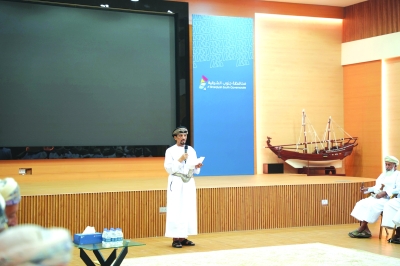
A high-level Sur governor meeting took place today in the Wilayat of Sur, chaired by Dr. Yahya bin Badr Al Maawali, Governor of South Al Sharqiyah, with the presence of Sheikh Dr. Saif bin Mohammed Al-Ghaithi, Wali of Sur. The session reviewed the latest status of development projects and public services, and discussed measures to strengthen community partnership across the wilayat. Officials said the meeting aimed to align local priorities with broader provincial plans.
Held at the governorate headquarters, the Sur governor meeting brought together representatives from municipal, road, education, health, and agriculture authorities. The gathering included visual presentations by government departments outlining ongoing projects, planned investments, and service delivery indicators. According to officials, the discussion emphasized integrated implementation and citizen-focused outcomes.
Municipal and infrastructure updates on development projects
The Municipality of South Al Sharqiyah presented a portfolio of strategic projects, focusing on road networks, infrastructure upgrades, public utilities, and recreational and tourism facilities. Furthermore, the municipality highlighted community-oriented initiatives designed to create long-term social and economic benefits. Officials argued these investments support local livelihoods and help diversify the regional economy in line with Oman Vision 2040.
Meanwhile, the Directorate General of Roads in the governorate reported progress on several key road projects. These include completion work on the Sultan Turki bin Said route linking Al Kamil and Al Wafi to Sur, expansion of the Duar Al-Ghaz to Balad Sur dual carriageway, and the second phase of Wadi Bani Jabir road. The roads directorate also outlined plans to deploy modern technologies for road safety and sustainable maintenance.
Sur governor meeting spotlights road safety and technological initiatives
During the Sur governor meeting, the roads authority described upcoming measures to increase traffic safety and construction quality. The presentation covered proposed use of advanced monitoring systems, sustainable materials, and improved maintenance protocols. Additionally, the directorate outlined pilot programs — named initiatives such as “Continuous Impact,” “We Simplify It,” and “Smart Step” — aimed at enhancing project quality and raising road safety standards, officials said.
These initiatives, the directorate noted, form part of a broader effort to enhance the resilience and efficiency of transport links that support commerce and tourism. Furthermore, they are expected to reduce long-term maintenance costs and improve travel times for residents and visitors.
Education, health and agricultural sector briefs
The Directorate General of Education in South Al Sharqiyah presented sector indicators, including the number of institutions and student enrollment trends, and provided an update on school construction projects either completed or underway. Officials stressed that educational infrastructure development is being coordinated with community needs and demographic projections to ensure equitable access to quality schooling.
In parallel, the Directorate General of Health Services reviewed performance indicators across health facilities, workforce statistics, and ongoing development works at health centers. The presentation included the objectives and achievements of the Sur Health City and the network of health villages and towns serving the governorate. Officials emphasized improvements in primary care access and facility upgrades aimed at better meeting local health needs.
The Directorate General of Agriculture, Fisheries and Water Resources discussed its strategic vision aligned with Oman Vision 2040, and showcased investment and development projects supporting agricultural productivity and water resource management. A highlighted undertaking includes the design and rehabilitation of breakwaters in the Tiwi sector, which the ministry cited as a coastal protection and fisheries-support project. The agriculture authority also presented key statistical indicators and recent achievements in resource conservation and rural investment.
Community partnership and local governance
Officials and local leaders at the Sur governor meeting underlined the role of periodic consultations with village sheikhs and community elders as a strategic platform for participatory governance. The governor said these consultations help align government priorities with citizen expectations, optimizing the relevance and impact of public services. Therefore, the meeting emphasized expanding channels for feedback and enhancing transparency in project execution.
Community partnership, officials added, supports better decision-making by incorporating local knowledge into planning processes. Additionally, engaging civil leaders is meant to improve project delivery timelines and ensure that investments reflect practical needs on the ground.
Coordination and institutional integration
Participants highlighted the importance of interagency coordination to achieve integrated outcomes. The meeting served as an opportunity to synchronize timelines, resolve bottlenecks, and identify resource-sharing arrangements among municipal, road, education, health, and agricultural agencies. According to attendees, improved coordination is expected to raise the efficiency of development projects and streamline service provision.
Implications and next steps to monitor
Officials said the Sur governor meeting reaffirmed commitment to sustainable development, quality public services, and strengthened community partnership across South Al Sharqiyah Governorate. The meeting identified priority projects to advance in the short and medium term and outlined the need for periodic progress reviews. Furthermore, authorities committed to deploying technology and standards that improve safety and sustainability.
Observers should watch for implementation timelines for the highlighted road projects, completion schedules for new schools and health facilities, and the roll-out of coastal protection measures in Tiwi. Additionally, the effectiveness of the proposed community engagement measures will be an indicator of whether planning and delivery become more closely aligned with citizen needs.
Forward-looking conclusion
The Sur governor meeting set a clear agenda for coordinated implementation of development projects and reinforced the role of community partnership in decision-making. Officials indicated that follow-up sessions and progress reports will be scheduled to track milestones and adjust plans as needed. Readers should expect periodic announcements on project milestones and public consultations as the governorate advances its development priorities under Oman Vision 2040.