






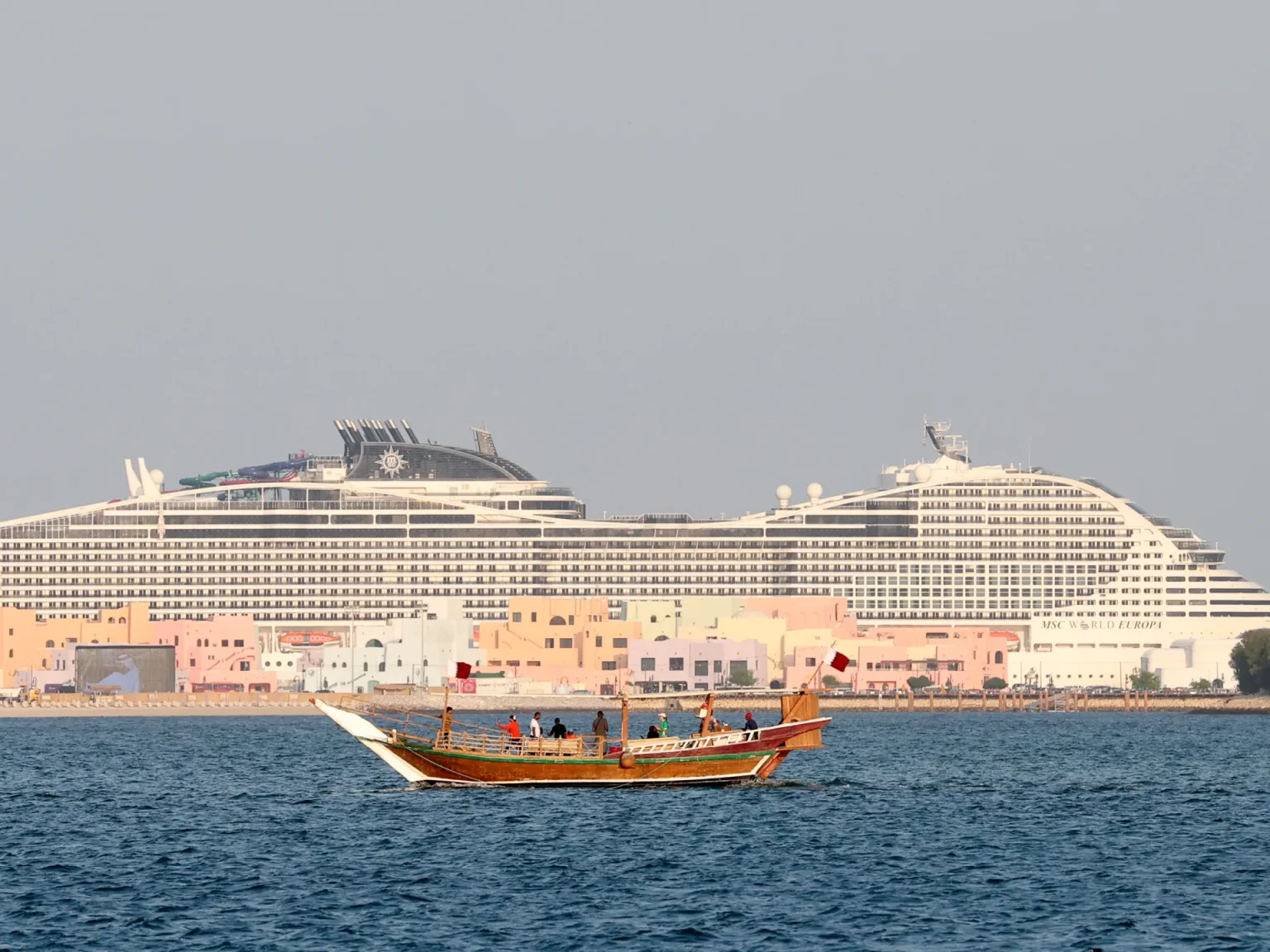

Qatar resumes maritime navigation after temporary suspension, ministry says
Qatar’s Ministry of Transport announced on May 7, 2026, that Qatar resumes maritime navigation for all vessel types, the ministry said in a post on X. The statement said all maritime activities and ship movements are permitted to resume immediately, and it urged ship masters and operators to verify that safety and security equipment are in place before and during voyages.
Officials emphasized compliance with existing maritime regulations and highlighted the need for vessels to maintain required safety watches and lifesaving equipment. The announcement restores regular operations for commercial and recreational traffic in Qatari waters.
Details of the resumption and safety guidance
The ministry’s post directed captains, owners and agents to follow applicable maritime rules and confirmed that inspections and port services will continue to support resumed traffic. Therefore, port authorities and pilot services are expected to coordinate to manage vessel traffic safely, officials said.
Furthermore, the statement underscored the importance of onboard safety equipment and crew preparedness. The ministry advised that vessels should confirm the presence and functionality of lifejackets, fire suppression systems, navigation aids and security watches prior to departure.
Why the earlier navigation suspension was issued
The May 7 notice follows an advisory issued on June 29 that had instructed ships to suspend navigation and maritime activities until further notice. The ministry did not specify the operational reasons for the earlier guidance, but the June advisory came after a separate ministry statement noting that a Qatari national had died after being wounded by shrapnel during “military operations in the area,” according to the ministry.
Because authorities have not provided a detailed explanation, maritime operators and regional stakeholders remain attentive to official risk assessments. Meanwhile, shipping firms and insurers typically treat such suspensions as triggers to review transit plans, rerouting options and coverage terms.
Implications for commercial shipping and port operations
Resumption of navigation is likely to ease immediate logistical pressure on Qatar’s ports and regional supply chains. Hamad Port, Doha’s primary container hub, and other terminal operators will monitor vessel arrivals and adjust pilotage and berth allocations as traffic normalizes.
Shipping lines and charterers will evaluate any backlog created during the suspension and coordinate with agents to prioritize critical cargo. Additionally, maritime safety and security teams will continue to liaise with operators to ensure compliance with both international conventions and national regulations.
Insurance and routing considerations
Insurers and risk managers generally reassess voyage risk following advisories such as a navigation suspension. Therefore, affected voyages may have faced temporary premium changes or route deviations while the advisory was active. The ministry’s announcement that Qatar resumes maritime navigation should prompt insurers and operators to review covered transits and update voyage plans where necessary.
Regional context and broader maritime safety concerns
The ministry’s earlier advisory and its subsequent resumption notice occur against a backdrop of heightened security sensitivity in parts of the region. Officials have not linked the navigation guidance to a specific external threat in detail, but the ministry’s reference to casualty reporting and military activity suggests that national security considerations influenced prior decisions.
Maritime safety authorities, including the Qatar Ministry of Transport, continue to coordinate with international partners and local port operators to monitor sea lanes and to share navigational warnings. In addition, maritime stakeholders should remain alert to Notices to Mariners and any guidance issued by naval or coast guard authorities.
Reaction from industry and what to watch next
Shipping agents, port operators and logistics companies welcomed the resumption as a step toward stabilizing schedules and reducing operational uncertainty. However, operators indicated they will closely follow any new instructions from the ministry and related agencies to ensure compliance with maritime safety and security requirements.
Observers said the next expected steps include detailed operational guidance from port authorities on berth scheduling and pilotage availability, as well as continued monitoring by insurers. Furthermore, industry groups are likely to seek clarification on any lingering restrictions or recommended precautions for transits through adjacent waters.
Forward look: monitoring and preparedness
As Qatar resumes maritime navigation, mariners and operators should continue to prioritize maritime safety and follow official guidance from the Qatar Ministry of Transport. Therefore, verifying that vessels carry functioning safety equipment and maintain required watches will remain essential to safe operations.
Readers should watch for follow-up communications from the ministry and port authorities in the coming days. The timeline to full normalization will depend on coordinated port operations, demand recovery from delayed shipments and any further risk assessments issued by authorities.
For the ministry’s announcement and updates, see the ministry’s post on X: https://x.com.