






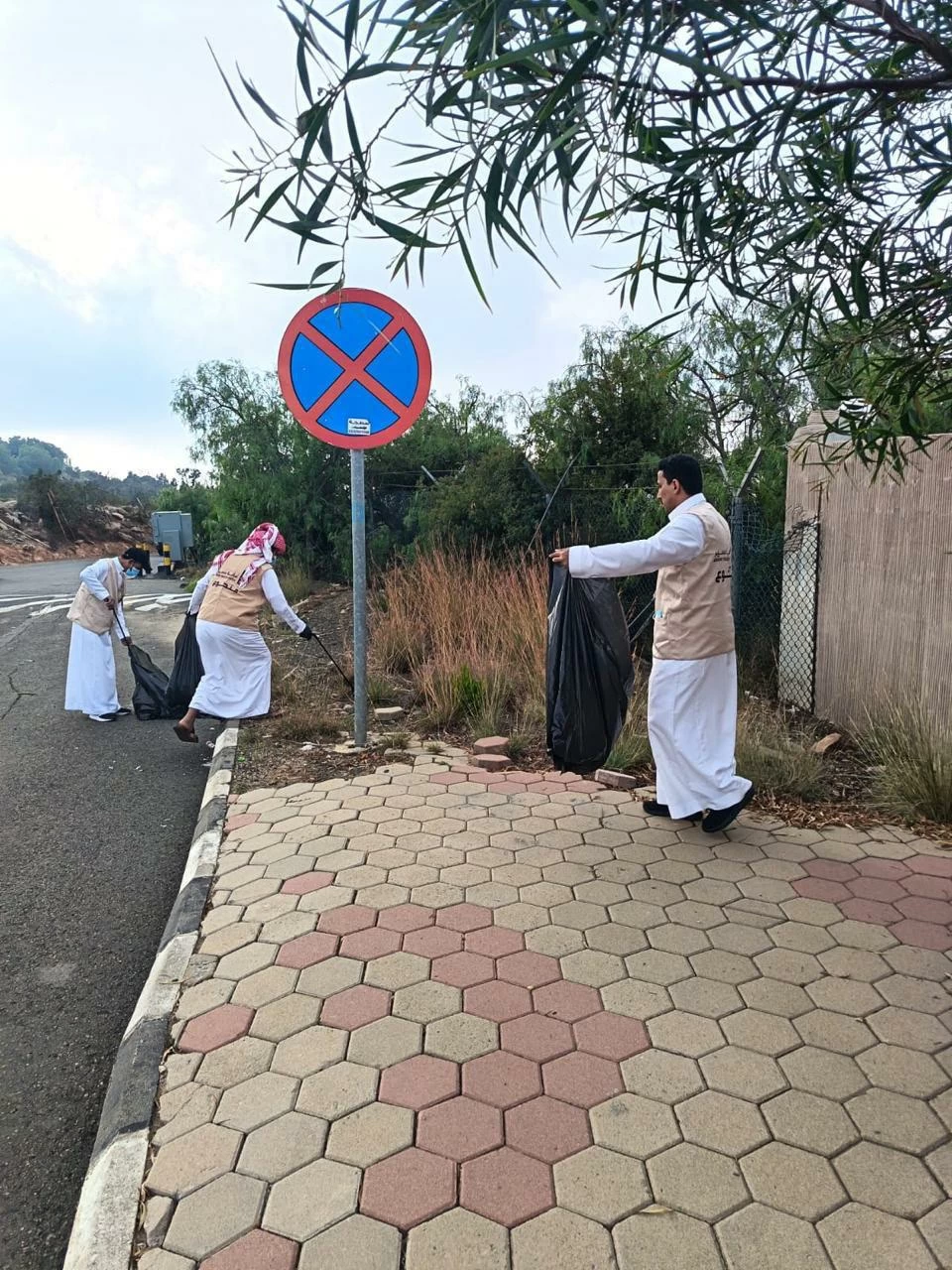

Abha tourist sites cleanup launched by volunteers
Local volunteers and municipal staff recently launched an Abha tourist sites cleanup to remove litter and improve visitor areas across the city of Abha in Asir Province, Saudi Arabia. The initiative took place this week at multiple tourist overlooks and parks, organizers said, and targeted visible waste, single-use plastics, and informal dumping spots near popular viewpoints.
Municipal officials, community groups, and local environmental organizations participated in the effort, according to a municipal statement, with teams working at dawn and through midday to reduce disruption to visitors. Volunteers said the operation combined waste collection with public information activities to encourage better practices among residents and tourists.
Scope and partners of the Abha tourist sites cleanup
The program concentrated on high-traffic tourism sites and adjoining pathways that receive seasonal visitors, officials said. Teams focused on scenic overlooks, public plazas, picnic areas, and hiking trailheads that attract domestic and regional travelers.
Organizers identified several partners that provided logistical support, including the municipal services department and local community organizations. Additionally, environmental NGOs and youth volunteer networks contributed materials and manpower, while city crews coordinated the removal and disposal of collected waste.
Why the volunteer initiative was launched
Organizers said the volunteer initiative was prompted by growing concern about litter and its impact on the visitor experience and local ecosystems. In recent seasons, increased visitor numbers have placed pressure on waste management at key tourism sites, the report indicates.
Furthermore, community leaders emphasized the economic importance of clean tourism sites. A well-maintained environment supports local businesses and encourages repeat visits, municipal officials noted. Therefore, the cleanup was framed as both an environmental and an economic stewardship effort.
How the cleanup was organized and conducted
Teams used a combination of door-to-door volunteer recruitment, social media coordination, and direct outreach to local groups to assemble participants. Event organizers provided basic training on safe handling of waste and segmentation of recyclables from general trash.
Volunteer crews were assigned specific zones to ensure broad coverage and reduce overlap. Meanwhile, municipal vehicles collected sealed bags and transported them to authorized waste transfer stations for sorting and, where possible, recycling. Organizers said attention was given to removing debris in sensitive natural areas without disturbing native vegetation.
Safety, equipment, and waste handling
Volunteers were supplied with gloves, bags, and simple tools to handle sharps or bulky items safely, organizers said. Event coordinators set up hydration stations and first-aid points to support teams working in hot weather conditions. Meanwhile, municipal teams ensured collected waste followed local disposal protocols.
The operation also included a modest public-awareness component: signage and brief leaflets distributed to visitors explained proper disposal practices and highlighted the costs associated with unmanaged litter. Therefore, the effort combined immediate cleanup with preventive education.
Impacts on tourism sites and community engagement
Early assessments suggest the cleanup improved the visual quality of several popular sites and reduced the volume of loose litter, according to municipal updates. In addition, the presence of visible volunteer activity signaled community commitment to maintaining public spaces.
Community volunteers reported increased interest from passersby who asked about future events and expressed willingness to take part. Furthermore, local businesses near tourism sites said the appearance of cleaner public spaces could support better customer perceptions and longer stays, the report indicates.
Related initiatives and broader environmental context
The cleanup aligns with broader environmental cleanup and tourism management efforts in Asir Province, officials said. Similar volunteer-driven operations have taken place in other municipal districts, focusing on coastal, mountain, and urban recreation areas to address seasonal pressures.
Public agencies are also assessing options to improve long-term waste infrastructure at high-use sites, including more frequent servicing of bins and improved signage. Meanwhile, environmental groups are advocating for waste reduction measures such as banning certain single-use items at events and increasing recycling access.
Next steps and what to watch
Organizers indicated that follow-up activities will include monitoring of cleaned areas and targeted awareness sessions for local businesses and tour operators. They also said municipal authorities are reviewing the results to consider scheduling regular volunteer days and reinforcing waste collection services at priority tourism sites.
Residents and visitors should watch for announcements about future cleanup dates and public briefings on infrastructure improvements. Over the coming months, officials said they will evaluate whether the initiative can be scaled or integrated into a recurring city program.
Conclusion and outlook
The Abha tourist sites cleanup demonstrates a coordinated response to visible litter and visitor pressure at key attractions, combining volunteer energy with municipal support. In the short term, the cleanup cleared public areas and raised awareness, and in the longer term it may inform changes to waste management and visitor services.
Stakeholders said they will monitor results and consider additional measures to sustain cleaner tourism sites. Readers should watch for municipal updates about scheduled cleanups and infrastructure improvements as organizers assess the program’s effectiveness over the next several months.