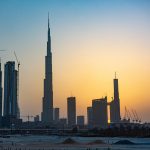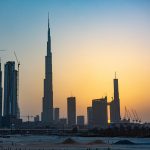








An explanation of the economic, demographic and policy forces pushing everyday prices higher in cities such as Dubai, Abu Dhabi, Riyadh, Doha, Kuwait City, Manama and Muscat.
Overview
Major Gulf cities have long been hubs for trade, energy, finance and expatriate labor. Over the past several years, many of these cities have seen a noticeable rise in the cost of living. That increase reflects a mix of global inflationary pressures and a set of local, structural dynamics: booming real estate and tourism demand, shifts in subsidies and taxation, supply-chain vulnerabilities, and climate-driven costs such as higher cooling needs. Understanding these drivers helps residents, policymakers and businesses anticipate and respond to price pressures.
Primary drivers behind rising costs
1. Housing and real estate pressures
Rapid population growth, strong investor interest and a sustained construction boom push up housing demand and rents. Cities that are major business and tourism centers — for example Dubai and Doha — attract both short-term visitors and long-term expatriates, increasing demand for rental units, serviced apartments and short-stay properties. In addition, higher construction costs (materials, labor and financing) are passed on to buyers and tenants.
2. Food and goods import dependence
Most Gulf countries import a large share of their food and many consumer goods. This leaves prices sensitive to global commodity markets, shipping costs, exchange-rate effects and disruptions in supply chains. When global food prices rise, or when freight costs increase, retail and restaurant prices in Gulf cities typically follow.
3. Reform of subsidies and introduction of taxes
Governments across the region have been diversifying revenue streams away from hydrocarbons. Measures such as the introduction or raising of value-added tax (VAT), cuts to fuel and food subsidies and higher utility tariffs directly raise living costs for households, even as they strengthen public finances.
4. Energy price and currency dynamics
Although many Gulf states are energy producers, domestic prices for some goods and services still reflect global energy markets. Fiscal responses to oil-price swings can also affect public spending and inflation. Meanwhile, currencies pegged to the U.S. dollar mean imported inflation from weaker trade partners can translate directly into higher local prices.
5. Labor and wage shifts
The post‑pandemic labor market and regional reforms (including nationalization initiatives and changes in expatriate employment rules) have in some places led to higher wages and operating costs for businesses. Employers may offset those costs through higher consumer prices.
6. Tourism, events and short-term rentals
Major events, international conferences and expanded tourism capacity increase demand for hotels and short-term rentals. That competition can push up accommodation costs and raise prices in adjacent services—restaurants, transport and entertainment—especially in central districts.
7. Climate and infrastructure-driven costs
Extreme heat increases household energy use for cooling, raises operational costs for businesses and accelerates wear on infrastructure. Investments in resilient infrastructure and water desalination are expensive and can translate into higher public and private tariffs over time.
8. Global inflation and supply-chain shocks
Many of the region’s price pressures mirror global trends: pandemic-era disruptions, shipping bottlenecks, and commodity-price volatility. Because Gulf economies are interconnected with global markets, international inflationary shocks show up in local consumer prices.
Variation across cities
The extent and composition of cost increases vary by city. Oil-rich capitals with strong social transfers may buffer households longer, while fast-growing commercial hubs may see sharper rises in housing and services. Cities with heavy tourism exposure typically face steeper inflation in hospitality and rental segments during peak seasons and major events.
Policy responses and market adaptations
Governments and the private sector are taking several approaches to ease pressure and improve resilience:
- Adjusting fiscal policy: introducing or broadening VAT, targeted subsidies, and social transfers to protect vulnerable households.
- Investing in affordable housing and urban planning to increase supply and reduce speculative pressure.
- Strengthening food-security strategies: local production, strategic stockpiles and diversified import sources.
- Improving public transport and services to reduce household transport costs and support labor mobility.
- Encouraging energy efficiency and green building standards to lower cooling-related bills over the medium term.
How residents and businesses can adapt
- Budget proactively: track recurring costs (rent, utilities, transport, food) and build contingency buffers.
- Consider location trade-offs: living slightly farther from city centers can reduce rent while affordable public transport can keep commute times reasonable.
- Negotiate compensation: expatriates and local workers should review salary packages for inflation adjustments and benefits like housing allowances.
- Reduce energy use: adopt shading, smart thermostats, and efficient appliances to lower cooling bills.
- Shop smart: use local markets, bulk buying and price comparison to manage grocery and household spending.
Conclusion
Rising costs in major Gulf cities are the product of both global forces and region-specific dynamics: housing demand, tourism growth, subsidy reform, supply-chain exposure and climate-driven energy needs. Policymakers face the dual task of maintaining macroeconomic stability while protecting household purchasing power; residents and businesses can respond with planning, efficiency measures and strategic choices about housing and consumption. Over time, investments in housing supply, food security and energy efficiency will be key to containing long-term living-cost pressures.