






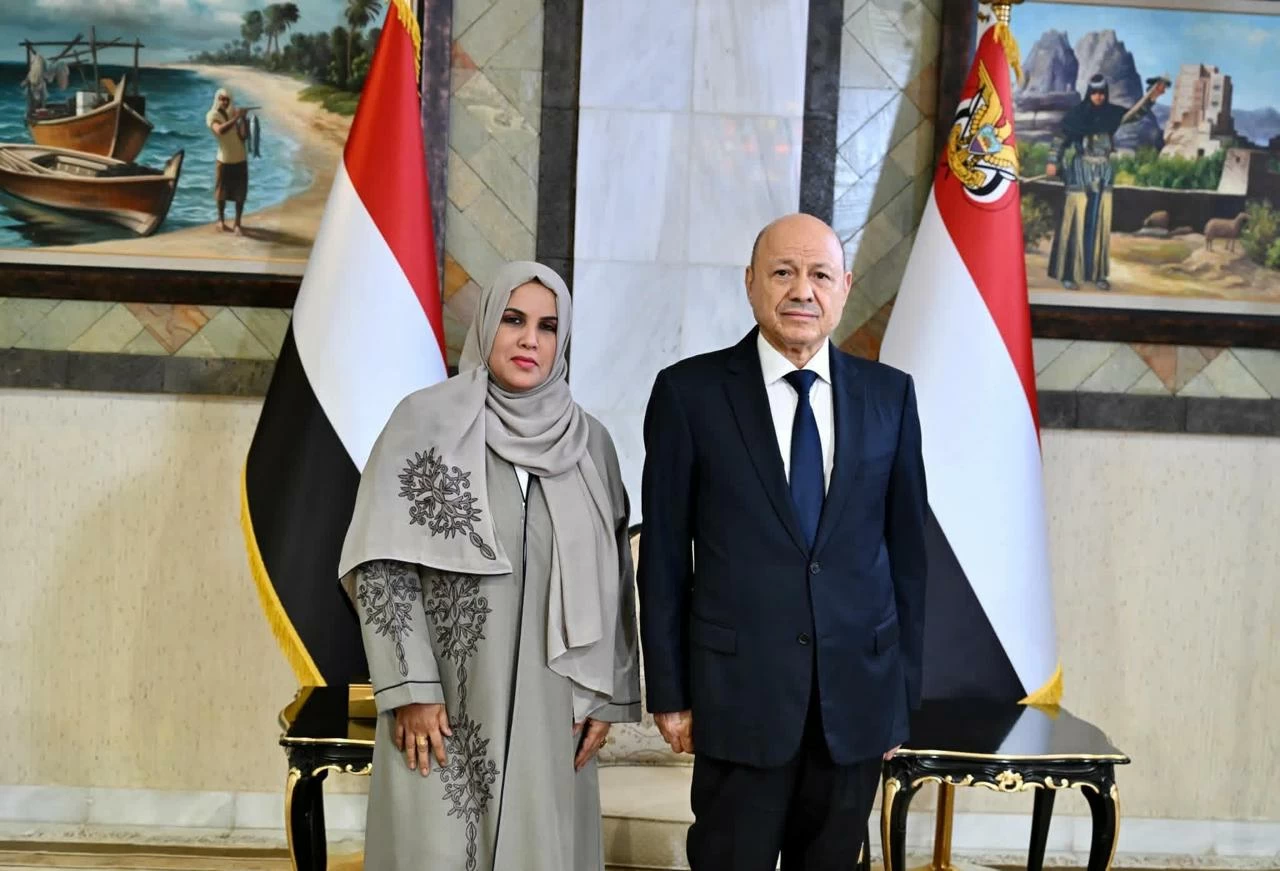

Yemeni women’s empowerment: Government signals commitment
The Yemeni Minister of State for Women’s Affairs told the Saudi newspaper Okaz in a recent interview that the government is serious about advancing Yemeni women’s empowerment. The minister outlined a renewed commitment to increase female participation in decision-making across public institutions and transitional bodies, according to the ministry’s statements published by Okaz.
The comments, delivered to a regional media outlet, come amid ongoing political transition and efforts to rebuild governance structures in Yemen. Observers said the remarks reflect broader regional attention to inclusion, and the ministry indicated steps would follow through coordination with other government entities and international partners.
Policy measures and institutional promises
According to the ministry, the government plans to prioritize measures that enhance women’s leadership and access to decision-making roles. Officials said the approach will combine legal review, capacity-building programs, and targeted appointments to ensure women are represented in key advisory and executive positions.
Furthermore, the ministry suggested that coordination with international donors and civil society groups would be part of the strategy. This, the ministry stated, aims to align domestic initiatives with international norms on gender equality while tailoring interventions to Yemen’s unique political and social context.
Challenges to implementing Yemeni women’s empowerment
Implementing these commitments will confront entrenched obstacles, including conservative social norms, fragmented political authority, and security constraints that affect mobility and civic engagement. Humanitarian and governance reports indicate that conflict-related disruption and economic hardship disproportionately affect women, complicating their path to public office and leadership roles.
Moreover, legal frameworks and institutional capacity vary across territories, which means approaches must be adaptable. Therefore, officials and analysts say incremental reforms coupled with community-level engagement may be more effective than top-down mandates alone.
Women in politics: Representation and practical steps
Improving representation of women in politics is a central objective for the ministry as it advances the empowerment agenda. The ministry emphasized practical steps such as leadership training for prospective female candidates, mentorship programs within ministries, and recruitment policies aimed at diversifying senior civil service ranks.
Additionally, the government hinted at exploring temporary special measures to accelerate inclusion, though detailed proposals were not released in the interview. Meanwhile, civil society groups and women’s rights organizations are expected to play a monitoring role, advocating for transparency and sustained funding for women-centered programs.
Regional dynamics and international support
Regional partners and international organizations have previously supported initiatives tied to gender equality and women’s participation in governance. The ministry indicated it would seek technical and financial support to scale initiatives, noting that aligning with established international frameworks could help secure resources and legitimacy.
However, observers caution that international assistance must be sensitive to local contexts to avoid backlash. Therefore, a mix of externally supported programming and domestically led initiatives is likely to be the most viable path forward, officials and analysts suggest.
Stakeholder engagement and monitoring
Effective implementation will require broad stakeholder engagement, including political parties, tribal leaders, civil servants, and community groups. The ministry said it plans to establish monitoring mechanisms to track progress and solicit feedback from beneficiaries and partners.
Furthermore, independent assessments by academic institutions and NGOs could provide evidence to refine policies and demonstrate the impact of investments in women’s leadership and participation.
Implications for governance and peacebuilding
Expanding women’s roles in decision-making could have implications for governance and peacebuilding in Yemen. Research and comparative experience suggest that inclusive institutions are more resilient and can enhance legitimacy in divided societies, according to governance analysts.
Therefore, the ministry’s stated focus on Yemeni women’s empowerment may contribute to broader stabilization efforts if implemented alongside reconciliation and reconstruction initiatives. However, meaningful change will depend on sustained political will, resource allocation, and coordination across competing authorities.
What to watch next
Readers should look for concrete policy documents, draft legislation, or official guidelines that operationalize the commitments described in the Okaz interview. The next steps likely include inter-ministerial consultations, donor coordination meetings, and pilot programs intended to test approaches at the local level.
Additionally, announcements about quotas, appointments, or training initiatives would signal movement from rhetoric to implementation. Therefore, monitoring official ministry releases and civil society reports will provide the clearest indicators of progress.
In conclusion, the minister’s statements mark a public recommitment to Yemeni women’s empowerment within a challenging environment. While the government’s intentions are now clearer, successful outcomes will hinge on detailed policies, credible monitoring, and cooperation among domestic and international stakeholders. Observers will be watching for policy instruments and pilot projects that translate the declared commitment into measurable increases in women’s participation in Yemen’s decision-making processes.