








U.S. Says Iranian Highly Enriched Uranium Must Be Handed Over for Any Deal
A senior U.S. official told ABC News that the United States will treat the retrieval of Iranian highly enriched uranium stored beneath sites struck in recent attacks as a nonnegotiable condition of any agreement with Tehran. The official said Washington also retains “low-cost military options” if Iran refuses to relinquish the material, and described the buried stock as central to ongoing talks.
Officials made the remarks this week amid renewed U.S. strikes near Iran’s coast and satellite imagery reports suggesting renewed activity at some Iranian nuclear locations. Meanwhile, mediation efforts by Oman, Qatar and Pakistan continue as Washington stresses verifiable resolution of the uranium issue before committing to a pact.
Why the Iranian Highly Enriched Uranium Is Central to Negotiations
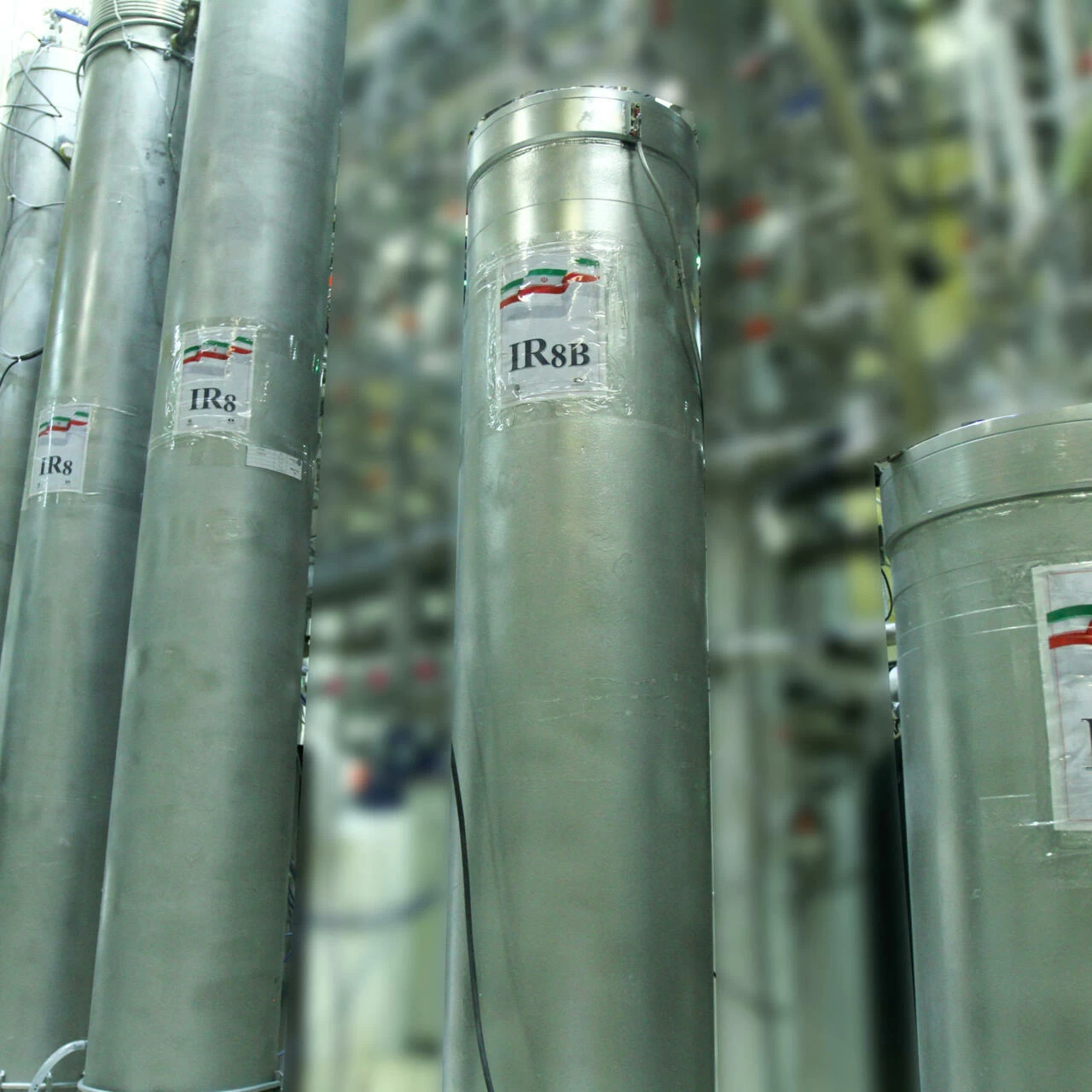
U.S. officials view the so-called “nuclear dust” — highly enriched uranium reportedly left under facilities damaged in strikes — as the core obstacle to a negotiated settlement, according to the ABC News account. Therefore, resolving the status and location of that material is portrayed by Washington as essential to any durable agreement with Tehran.
Additionally, the official emphasized that if Iran does not provide access to or transfer the material, the United States has options to prevent its reuse or recovery. The statement suggests a mix of diplomatic, economic and military tools would be used to ensure the uranium remains inaccessible and accounted for.
Military, Diplomatic and Intelligence Responses
The official’s comments underline a three-track approach: pressuring Iran diplomatically, sustaining economic penalties, and retaining targeted military measures as a contingency. In context, U.S. forces recently carried out strikes against sites the Pentagon identified as linked to the Islamic Revolutionary Guard Corps, in response to attacks on commercial shipping in the Strait of Hormuz.
Meanwhile, U.S. intelligence agencies and analysts are assessing satellite imagery that a CNN report says indicates new activity at some nuclear sites. That assessment has prompted questions in Washington about whether Iran may be attempting to rebuild or relocate sensitive infrastructure, complicating verification efforts.
Implications for Verification and Nonproliferation
If the United States insists on physical turnover or verified disposal of the Iranian highly enriched uranium, international inspectors would likely play a larger role in monitoring and chain-of-custody procedures. Therefore, the practicality of any agreement will hinge on access arrangements, technical verification measures and timelines acceptable to both sides.
Furthermore, the presence of buried or concealed enriched material raises complex technical challenges for inspectors, including distinguishing residual contamination from recoverable stockpiles. In contrast, a transparent handover would simplify verification and reduce the need for more forceful actions.
Role of International Mediators
Oman, Qatar and Pakistan have been mentioned as mediators seeking to revive dialogue, and officials say those channels remain active. Therefore, diplomats are pushing parallel tracks: exploring compromise terms while intelligence and military planners prepare contingencies should talks stall.
How the Situation Affects Regional Security
Analysts warn that the dispute over the nuclear material could prolong tensions across the Gulf, affecting commercial shipping and raising the risk of further military exchanges. Meanwhile, allies and regional partners are watching Washington’s stance closely, as the insistence on material transfer could reshape the incentives for Iran to negotiate.
Therefore, any military action perceived as aimed at securing or neutralizing buried uranium could escalate the crisis, even as officials portray such options as narrowly tailored. The interplay between military signaling and diplomatic negotiation will likely determine whether tensions escalate or are contained.
What to Watch Next
In the coming days and weeks, observers should watch for Iran’s public response to the U.S. demand, changes in satellite imagery at nuclear sites, and statements from the mediating states. Additionally, progress or setbacks in formal or informal talks will influence whether Washington moves from public pressure to concrete disposal or verification proposals.
According to media reports, the United States will continue to link any future agreement to a verifiable resolution of the nuclear dust issue, and officials say that without a clear outcome on the Iranian highly enriched uranium, no deal will be finalized. Therefore, the immediate timeline for a breakthrough remains uncertain.
Conclusion: Next Steps and Timelines
The United States has made retrieval or verified neutralization of the Iranian highly enriched uranium a central condition for any agreement, and has said it retains low-cost military options if Tehran refuses to comply. Observers should expect intense diplomatic activity from mediators and continued monitoring of nuclear sites, with potential for further U.S. pressure if talks do not produce verifiable results within the coming weeks.
Therefore, the next milestones to watch are Iran’s reply to the demand, any independent verification visits or cooperative steps, and whether mediators present a compromise framework acceptable to both sides. Meanwhile, intelligence updates and maritime security developments will shape how policymakers calibrate diplomatic and military tools.