








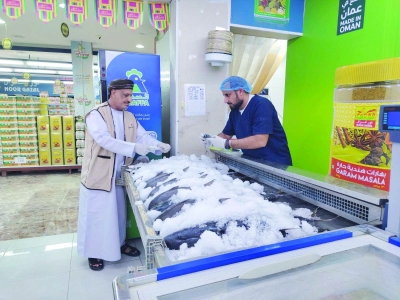

Al Khaburah fish market inspections ensure seafood safety
Al Khaburah fish market inspections were carried out by the Directorate of Municipalities in Al Khaburah, with participation from the health affairs department of North Al Batinah, to check compliance with food safety requirements at fresh fish retail outlets. During a two-day operation this month, officials visited a series of fish-selling establishments to verify temperature control, hygiene practices and staff awareness of scombroid poisoning risks.
Who conducted the campaign and what they found
The inspection and awareness campaign targeted sellers of fresh fish across the wilayat of Al Khaburah, municipal officials said. Inspectors visited 36 outlets, issued three formal health violation notices, handed out 12 warnings, and ordered the disposal of 18 kilograms of fish deemed unfit for consumption.
Furthermore, the joint team included specialists from the municipal health affairs office who provided on-site guidance to employees and managers about safe handling, storage and display of seafood. Officials said the operation aimed to reduce immediate risks and to reinforce longer-term compliance with food safety regulations.
Inspection results and enforcement actions
Inspections focused on storage temperatures, cleanliness of premises, and proper labeling and traceability of seafood products. Inspectors checked that chilled products were held between 1 and 4 degrees Celsius and that frozen stock met the minus-18 degrees Celsius standard for frozen foods.
Violations ranged from inadequate refrigeration to poor hygiene practices. In each instance of noncompliance, inspectors issued corrective warnings and, where necessary, seized and destroyed products presenting a direct health hazard. Authorities said enforcement was proportionate and intended to protect consumers while allowing businesses to remedy shortcomings.
Food safety risks: scombroid poisoning and cold chain management
Scombroid poisoning is a foodborne illness associated with improperly handled certain types of fish, officials explained during the campaign. Symptoms can include flushing, headache, abdominal cramps and, in more severe cases, cardiovascular effects. The risk increases when fish are stored at elevated temperatures that allow bacterial enzymes to convert histidine into histamine.
Maintaining the seafood cold chain is therefore critical. Inspectors emphasized that consistent refrigeration from capture to sale, prompt chilling after landing, and reliable temperature monitoring at retail sites reduce the likelihood of spoilage and allergic-type reactions. Food safety and seafood cold chain management were repeated themes in the awareness sessions.
Training and public awareness measures
Beyond enforcement, the campaign prioritized education. Health specialists conducted short briefings for staff on identifying spoiled fish, proper cleaning routines, and the correct use of thermometers. Vendors received written guidance on recordkeeping and procedures to follow if products are suspected to be contaminated.
Additionally, authorities encouraged consumers to look for signs of freshness, such as firm flesh, clear eyes, and neutral odor. They also advised shoppers to request that sellers maintain chilled displays and to avoid purchasing unpackaged fish left unrefrigerated in warm conditions.
Implications for local businesses and consumers
For retailers, the inspections underline the operational importance of investing in reliable refrigeration and staff training. Municipal officials noted that minor infrastructure upgrades and routine temperature logging can prevent costly product losses and reputational damage. Furthermore, proactive compliance reduces the likelihood of repeat inspections that could disrupt business.
For consumers, the campaign provides reassurance that local authorities are monitoring risks associated with seafood. Authorities said routine checks help lower the incidence of foodborne illness and reinforce community confidence in the supply chain.
Related guidance and standards
Municipal health officers referenced national food safety guidelines and international standards for refrigerated and frozen foods during the campaign. For broader context, authorities recommended consulting resources such as the World Health Organization and food safety agencies for best practices on handling fish and preventing scombroid poisoning.
Authorities also reminded suppliers that chilled foods should generally be stored between 1 and 4 degrees Celsius and frozen products kept at minus 18 degrees Celsius or below to preserve quality and safety.
Next steps and what to watch for
Officials said follow-up visits are planned to verify that warned establishments have corrected deficiencies. The municipality indicated that further inspections will be scheduled periodically and that repeat offenders may face escalated enforcement measures. Meanwhile, authorities will continue educational outreach to strengthen vendor capacity to maintain the cold chain and prevent foodborne incidents.
Consumers and businesses should watch for municipal announcements about training sessions and future inspection schedules. Observers may also expect additional joint campaigns in other wilayats of North Al Batinah as part of a wider effort to safeguard public health.
Where to get more information
Residents seeking more information about seafood safety and scombroid poisoning can contact local health affairs offices or visit public health websites. For international guidance on foodborne hazards, see the World Health Organization at https://www.who.int.
Conclusion: continued vigilance to protect public health
The Al Khaburah fish market inspections demonstrate an ongoing municipal effort to ensure seafood safety through a mix of enforcement and education. Officials said the campaign reduced immediate risks by removing unsafe products and by raising awareness of scombroid poisoning and the importance of the seafood cold chain. Going forward, consumers should expect periodic checks and clearer vendor guidance as authorities monitor compliance and promote safer practices.