





Al Dakhiliyah Governorate partnership with Rakan advances social-impact projects
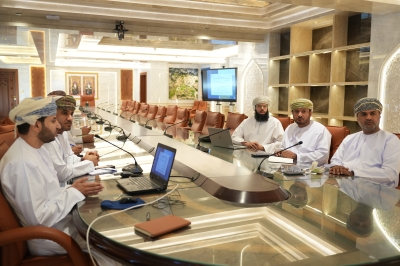
Officials from Al Dakhiliyah Governorate and the Rakan Development Institution for Social Responsibility in the energy sector met recently to explore expanded cooperation. The meeting, attended by Engineer Sulaiman bin Hamad Al-Sunaidi, Director General of Al Dakhiliyah Municipality, and Engineer Mohammed bin Salem Al-Ghraibi, Chief Executive Officer of Rakan, reviewed collaborative opportunities to support community-focused development programs.
The two sides discussed priorities for the governorate, potential areas for corporate social responsibility investment, and ways to align Rakan’s programs with local development plans. Delegates also visited the Jebel Shams waterfront project in Wilayat Al Hamra to assess its components and implementation stages, officials said.
Scope of cooperation and community-focused priorities
The meeting examined how the Al Dakhiliyah Governorate partnership can channel energy-sector social responsibility funds into projects that produce measurable community benefits. Officials identified tourism enhancement, job creation, and small-scale infrastructure as priority areas, according to statements from participants.
Therefore, Rakan and governorate planners addressed opportunities to support educational initiatives, local entrepreneurship, and services that increase the region’s attractiveness to visitors and investors. Additionally, they assessed how coordinated investment could leverage public resources and avoid duplication, the meeting report indicates.
Site visit to Jebel Shams waterfront project and investment potential
On the sidelines of the talks, the Rakan delegation inspected the Jebel Shams waterfront project in Wilayat Al Hamra. Project managers briefed the visitors on design elements, construction stages, and intended outcomes aimed at boosting tourism capacity and spurring local economic activity.
The site review highlighted how targeted social responsibility investment could enhance access, amenities, and visitor services. Furthermore, officials noted that improvements at key natural and cultural sites could create indirect benefits, including supporting small businesses and extending tourist stays.
How social responsibility programs can support sustainable development
Rakan’s mandate centers on directing energy-sector corporate social responsibility toward development initiatives that deliver social and economic value. During the discussions, participants explored mechanisms to link Rakan program funding with the governorate’s development plans and community priorities.
In practice, the Al Dakhiliyah Governorate partnership would aim to fund projects that are scalable, monitorable, and aligned with sustainability objectives. For example, investments in eco-sensitive tourism facilities and vocational training for local residents were discussed as pathways to long-term impact, officials said.
Coordination and governance considerations
Both sides emphasized the need for clear governance arrangements to manage joint projects. Therefore, they proposed establishing a coordination framework to set selection criteria, performance indicators, and reporting requirements for supported initiatives.
Such processes would help ensure transparency, measurable outcomes, and efficient use of resources. Additionally, aligning program cycles with municipal planning calendars was identified as a practical step to synchronize implementation and oversight.
Expected benefits and regional development implications
Participants suggested that a focused partnership could produce several tangible benefits for the Al Dakhiliyah Governorate. These include enhanced tourism infrastructure, improved local services, and expanded employment opportunities related to new projects and visitor growth.
Furthermore, officials observed that well-designed corporate social responsibility initiatives can mobilize private capital for public priorities and help attract further investment. The report indicates that leveraging Rakan’s sectoral expertise could also promote projects that reinforce environmental stewardship and cultural conservation.
Next steps and timeline to follow up on commitments
Officials agreed on a sequence of follow-up actions to translate the talks into concrete projects. Short-term steps include developing a joint action plan, identifying pilot projects, and conducting feasibility assessments, participants said. Meanwhile, technical teams from both entities will map funding streams and draft implementation timelines.
Therefore, stakeholders expect preliminary project proposals and a coordination mechanism to be presented in subsequent meetings. Observers should watch for announcements on selected pilot initiatives and funding commitments in the coming months.
Conclusion: monitoring impact and aligning with broader goals
The discussions between Al Dakhiliyah Governorate and Rakan signal a strategic effort to align energy-sector social responsibility with local development needs. By prioritizing measurable outcomes and collaborative governance, the Al Dakhiliyah Governorate partnership aims to support sustainable projects that benefit residents and enhance the governorate’s investment appeal.
Moving forward, readers should monitor the publication of the joint action plan and the selection of pilot projects, which will indicate the pace and scope of implementation. Officials have indicated that continued coordination and transparent reporting will shape the partnership’s ability to deliver lasting community value.