







Coastal patrol arrests reported in Al Qunfudhah
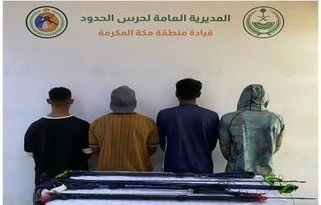
Coastal patrol arrests were announced after the Border Guard’s coastal units in Al Qunfudhah, Makkah Region detained four citizens for violating marine safety and security regulations. Officials said the incident involved fishing without a proper permit and the use of prohibited equipment, and the individuals were handed over to competent authorities for further action.
Who, what, when and where
According to the Border Guard, the arrests took place during routine coastal patrols off the coast of Al Qunfudhah. The four individuals were found engaging in unpermitted fishing activities and employing tools that are banned under the kingdom’s marine safety rules. Authorities said the case is now subject to standard legal procedures in coordination with relevant agencies.
Details of the enforcement action
Border Guard personnel discovered the activity while conducting surveillance and responded immediately to secure the scene, officials said. The detained individuals were identified as citizens and the confiscated items included equipment described by the patrol as prohibited for marine use. Furthermore, the report indicates that the response followed established enforcement protocols to protect marine resources and ensure public safety.
Evidence gathering and handover
Investigating officers carried out evidence collection on site and prepared documentation for transfer to the competent civil authorities, according to the Border Guard. Meanwhile, the seized items will be evaluated by specialists as part of the administrative and legal process. Therefore, the matter will proceed through the appropriate judicial and regulatory channels.
Legal framework and protections for marine resources
Officials emphasized that Saudi regulations governing marine activities aim to preserve biodiversity and secure fisheries as a national resource. Illegal fishing and use of non-authorized tools threaten the sustainability of marine ecosystems, the Border Guard said. Consequently, enforcement actions such as these are framed within wider conservation and public-safety objectives.
Furthermore, the enforcement aligns with existing national policies that call for close cooperation among maritime authorities, environmental agencies, and local law enforcement. This coordinated approach seeks to deter illegal fishing, reduce environmental harm, and uphold international commitments related to marine conservation.
Reporting channels and public guidance
The Border Guard urged residents and visitors to comply with all marine safety instructions and to report any incidents that may harm marine life or the coastal environment. According to the announcement, emergency reports can be made by calling 911 in the Makkah, Al Madinah, Riyadh, and Eastern regions, and by dialing 994 in other parts of the kingdom.
All reports will be treated confidentially, officials said, and there is no liability for individuals who report suspected environmental or wildlife violations. In addition, the Border Guard encouraged the use of official channels to provide reliable information that can assist surveillance and enforcement efforts.
Impact on local fisheries and coastal communities
Local fishers and coastal communities could be affected by both illegal fishing activities and the subsequent enforcement measures. Illegal fishing can deplete stocks and undermine the livelihoods of licensed fishers who follow regulations, the report indicates. Therefore, the Border Guard’s actions aim to level the playing field and protect legitimate economic activity along the coast.
Environmental advocates say targeted enforcement must be paired with education and support for lawful fishers to reduce incidents of noncompliance. Meanwhile, authorities may increase patrol frequency or adopt additional monitoring technologies to better protect marine resources in sensitive areas.
Secondary enforcement and interagency coordination
The case underscores the role of interagency coordination in addressing maritime violations. The Border Guard stated that actions were taken in coordination with competent authorities, which typically include environmental and fisheries regulators. This joint approach enables legal follow-through, evidence sharing, and harmonized responses to complex coastal violations.
Additionally, enhanced data-sharing and cross-agency operational planning are likely to play a growing role in preventing repeat offenses and in supporting sustainable coastal management strategies.
What to watch next
Authorities are expected to complete administrative and legal procedures related to the detained individuals, and observers will monitor whether the case results in broader enforcement measures or public awareness initiatives. In the near term, readers should watch for official updates from the Border Guard and related agencies on prosecution outcomes and any changes to coastal monitoring practices.
Furthermore, stakeholders may announce education campaigns or revised licensing guidance aimed at reducing unintentional violations among small-scale fishers. Therefore, continued reporting and transparent communication from authorities will be key to measuring the long-term effectiveness of these enforcement efforts.
Conclusion and forward look
The coastal patrol arrests in Al Qunfudhah highlight active enforcement of marine protection rules and the importance of legal compliance to safeguard marine resources and coastal livelihoods. Moving forward, authorities will likely emphasize both enforcement and community engagement to prevent illegal fishing and protect sensitive marine ecosystems.
Readers should expect official follow-up from the Border Guard and competent authorities in the coming weeks, including any legal outcomes, updates on confiscated equipment, and potential policy responses aimed at strengthening maritime compliance and conservation.