






Top Emerging Startups in the Gulf Region 2026 are reshaping travel itineraries, investor roadshows, and conference schedules across the Arabian Peninsula. Over the past few years the Gulf’s cities—Dubai, Abu Dhabi, Riyadh, Doha, Manama, Muscat, and Kuwait City—have attracted entrepreneurs building fintech, climate tech, logistics, healthtech, and proptech solutions aimed at local markets and global expansion. For anyone planning a business trip, scouting investments, or simply curious about innovation ecosystems, the Gulf in 2026 offers concentrated clusters of high-growth startups and practical opportunities to meet founders.
Visiting to see the Top Emerging Startups in the Gulf Region 2026 means combining meetings with the region’s best events, accelerators, and co-working spaces. Airports like DXB (Dubai), AUH (Abu Dhabi), RUH (Riyadh) and DOH (Doha) connect to global hubs; local accelerators and free zones host demo days and networking nights year-round. Read on for a concise travel plan, key hubs by country, sector highlights, planning tips, and who benefits most from a Gulf startup trip.
Quick Answer
The quickest way to see the Top Emerging Startups in the Gulf Region 2026 is to focus on Dubai and Riyadh for scale and deal flow, add Abu Dhabi and Doha for deeptech and government-backed initiatives, and schedule visits to Bahrain, Oman, and Kuwait for niche fintech and logistics startups. Combine major events (GITEX, LEAP, local demo days) with visits to accelerators, co-working hubs, and investor offices—the most efficient trips are 5–10 days per country.
Key Takeaways
- Top Emerging Startups in the Gulf Region 2026 cluster in Dubai, Riyadh, Abu Dhabi, and Doha, with growing scenes in Bahrain, Oman, and Kuwait.
- Main sectors to watch: fintech, climate tech, AI and machine learning, healthtech, logistics, and proptech.
- Plan around major events and accelerator demo days to maximize meetings and networking.
- Book meetings ahead, have a concise pitch deck, and confirm logistics—public transportation varies by city.
- Check visa, travel insurance, and local COVID or health guidance on official government sites before travel.
Where the startup action is: Gulf hubs to visit
Dubai — the gateway for international founders
Dubai remains the most international startup hub in the Gulf. Dubai Internet City, Dubai Silicon Oasis, and in5 host accelerators and co-working communities where many Top Emerging Startups in the Gulf Region 2026 demo new consumer apps, fintech integrations, and AI services. Fly into DXB or DWC; use Metro and taxis inside the city. Schedule meetings near Business Bay, DIFC, or Jumeirah Lake Towers to minimize transfers.
Abu Dhabi — deeptech and government-backed scaleups
Abu Dhabi’s ecosystem centers on Hub71 and the Masdar City corridor, where climate tech and energy transition startups often base operations. The emirate’s investor networks and sovereign funds mean larger pilot opportunities. AUH is the main airport; hotels around Al Reem Island and the Corniche offer convenient access to accelerator offices.
Riyadh and Jeddah — Saudi scale and market access
Riyadh is scaling fast as a startup market and investor destination. Government initiatives and VC flows are driving corporate partnerships and enterprise sales. Jeddah has a vibrant creative and logistics startup community. Visiting Saudi Arabia is essential to understand the demand dynamics for many Gulf-focused startups.
Doha, Manama, Muscat and Kuwait City — niche strength
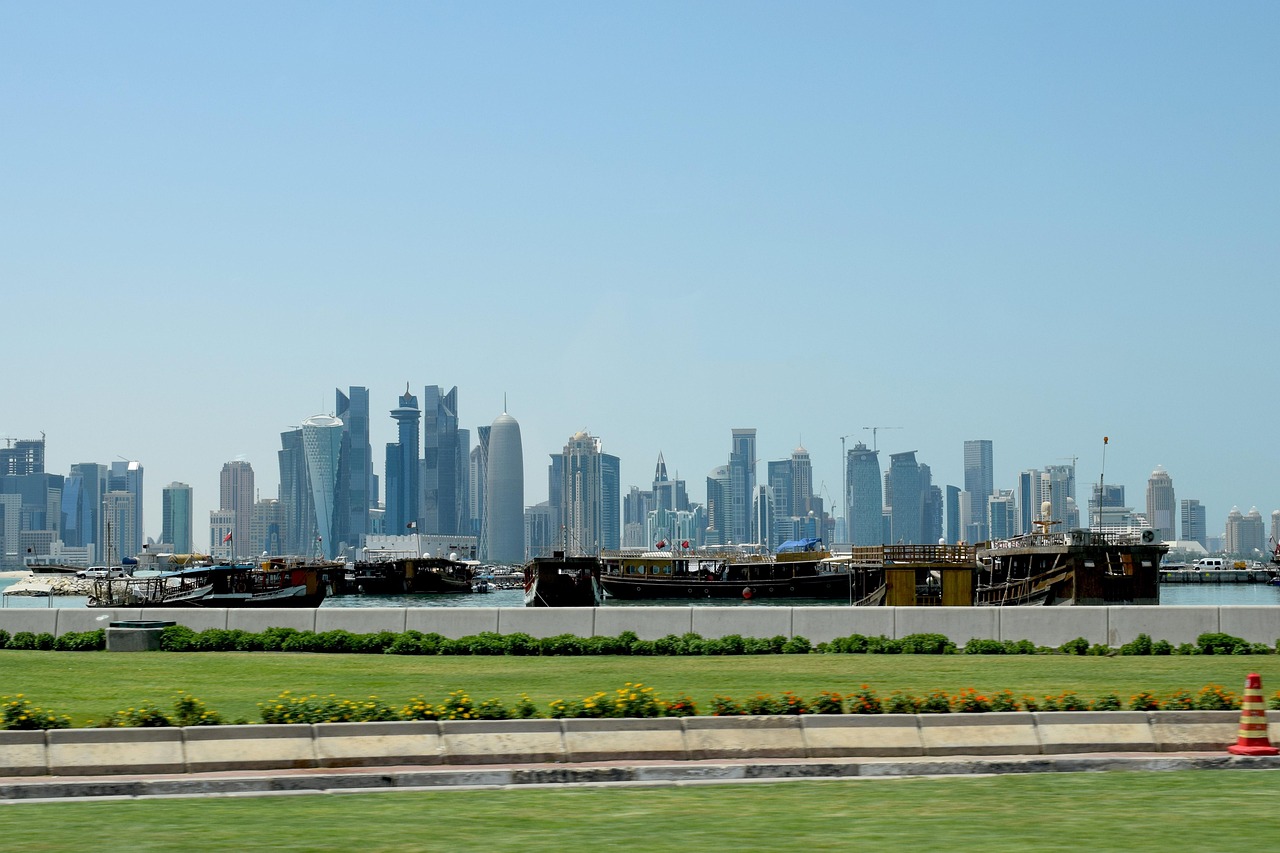
Doha (Qatar) focuses on research-driven companies around Qatar Science & Technology Park and event-driven opportunities. Bahrain has a small but influential fintech cluster and favorable regulatory frameworks for payment and banking startups. Muscat and Kuwait City host emerging founders in logistics, tourism tech, and B2B services—great stops for niche scouting.
Top sectors and what to look for
When you meet founders, ask about traction, unit economics, customer acquisition cost, and regulatory dependencies. The following sectors dominate conversations among Top Emerging Startups in the Gulf Region 2026:
- Fintech: Payments, embedded finance, and SME lending tailored to GCC needs.
- Climate tech & energy transition: Carbon management, renewable integration, and water-tech pilots, often tied to government or utility partners.
- AI and data platforms: NLP, customer service automation, and supply-chain optimization built for Arabic and regional market contexts.
- Healthtech: Telemedicine, digital health records, and AI diagnostics scaled through hospital partnerships.
- Logistics & mobility: Last-mile delivery, cold chain, and port-to-warehouse optimization for trade-heavy cities.
- Proptech and hospitality tech: Smart-building solutions and guest experience platforms for heavy hotel and real-estate investment in the Gulf.
How to plan meetings and site visits with startups
Book early and use local introductions
Startups and investors often plan their schedules tightly around events and pilot meetings. Use accelerator contacts, LinkedIn intros, and local community managers at places like Hub71, in5, or co-working spaces to secure warm meetings. Weekdays are best for business meetings; Saturdays are workdays in many Gulf countries, so check local work weeks.
What to bring and how to present
Bring a concise one-page summary and a short pitch deck accessible online. Founders appreciate a clear agenda: why you want to meet, what you offer (investment, partnership, customer), and next steps. Respect business culture: punctuality, formal introductions, and clear follow-up are valued.
Local etiquette and communication
English is widely used in business, but Arabic greetings and respect for cultural norms go a long way. Dress smart-casual to business formal depending on the meeting. When negotiating pilots or contracts, be prepared for longer sales cycles driven by procurement and regulatory approvals.
Practical travel tips for visiting startups across the Gulf
- Book flights to major hubs (DXB, AUH, RUH, DOH) and use regional carriers for short hops; allow buffer time for local transfers.
- Choose hotels near business districts or co-working hubs to minimize commute time and traffic delays.
- Get a local SIM or eSIM for reliable meetings and ride-hailing apps (Careem, Uber, local taxis).
- Purchase travel insurance that covers business equipment and medical evacuation; check policy details before travel.
- Download local apps for payments, government services, and event schedules—many accelerators publish calendars on their sites.
Best Tips for Planning Your Trip
Plan a two-week itinerary if you want in-depth meetings across multiple GCC countries: split time between Dubai/Abu Dhabi and Riyadh/Doha, with short add-ons to Bahrain or Muscat. Align your trip with major tech events to maximize networking—book event tickets and meeting slots early. Reserve flexible flights and hotels in case demo days shift.
Prepare digital copies of documents you may need for business meetings (agreements, decks, financial summaries), and ensure your laptop and phone chargers match local power standards. Use an online calendar with time zone settings and confirm meeting times 24–48 hours in advance.
Is it worth it? Who is this best for?
Yes—if your goals include sourcing investment opportunities, establishing partnerships, or conducting customer validation in the GCC, a focused trip to see the Top Emerging Startups in the Gulf Region 2026 is highly productive. The region offers fast-growing markets, well-funded pilots, and government-backed programs that can accelerate scale.
This travel is best for VCs, corporate innovation teams, startup scouts, and founders seeking regional expansion. Casual tourists interested in entrepreneurship will find plenty of public events, but investors and partners will benefit most from scheduled, in-person meetings and accelerator introductions.
Common mistakes to avoid
- Trying to visit too many cities in too short a time—spread meetings to reduce fatigue and cancellations.
- Relying only on cold outreach—use local VC and accelerator warm introductions for higher response rates.
- Failing to clarify follow-up steps—agree on pilots, timelines, and KPIs at the end of each meeting.
- Underestimating local procurement and regulatory timelines—be patient and plan iterative engagement.
Conclusion
Top Emerging Startups in the Gulf Region 2026 present a compelling blend of market demand, government support, and investor capital. A business-focused trip that targets Dubai, Abu Dhabi, Riyadh, and Doha—paired with a visit to Bahrain or Muscat for niche plays—will yield the best insight into regional innovation. Prepare with clear objectives, local introductions, and flexible logistics to turn meetings into pilots and partnerships.
Frequently Asked Questions
Which Gulf city is best for meeting the most startups?
Dubai typically offers the highest concentration of international startups and investors, making it the most efficient single city for broad scouting. Abu Dhabi and Riyadh follow closely for deeptech and local market scale respectively.
When should I time my trip to meet startups and investors?
Plan around major events like GITEX, LEAP, and regional accelerator demo days, but confirm event calendars directly with organizers since schedules change. Weekdays are best for corporate and investor meetings.
Do I need a local contact to meet Gulf startups?
A local introduction increases meeting success significantly; use accelerators, co-working community managers, or mutual LinkedIn connections to arrange warm intros. Cold outreach can work but typically requires more follow-up.
What should I bring to founder meetings?
Bring a concise digital pitch deck, a one-page summary, proof of interest (term sheet or pilot proposal if applicable), and business cards. Be ready to share next-step timelines and confidentiality preferences.
Are language barriers a problem?
English is widely used in business across the Gulf, but showing basic Arabic greetings and cultural awareness helps. For technical or regulatory discussions, bring local legal or industry advisors when needed.
How long should I plan to stay in each city?
Allocate 3–7 days per major city for productive meetings and networking; shorter stays work for single meetings or events but limit depth. Allow travel buffer days between countries for visas and transfers.
Is it safe to travel to startup hubs in the Gulf?
Most Gulf startup hubs are safe for business travel with low street crime; standard precautions apply, and women should check local cultural norms for dress and public behavior. Always verify current travel advisories and safety guidance from official sources before departure.