





Arab teams World Cup 2026: Five teams exit as three advance to knockout stage
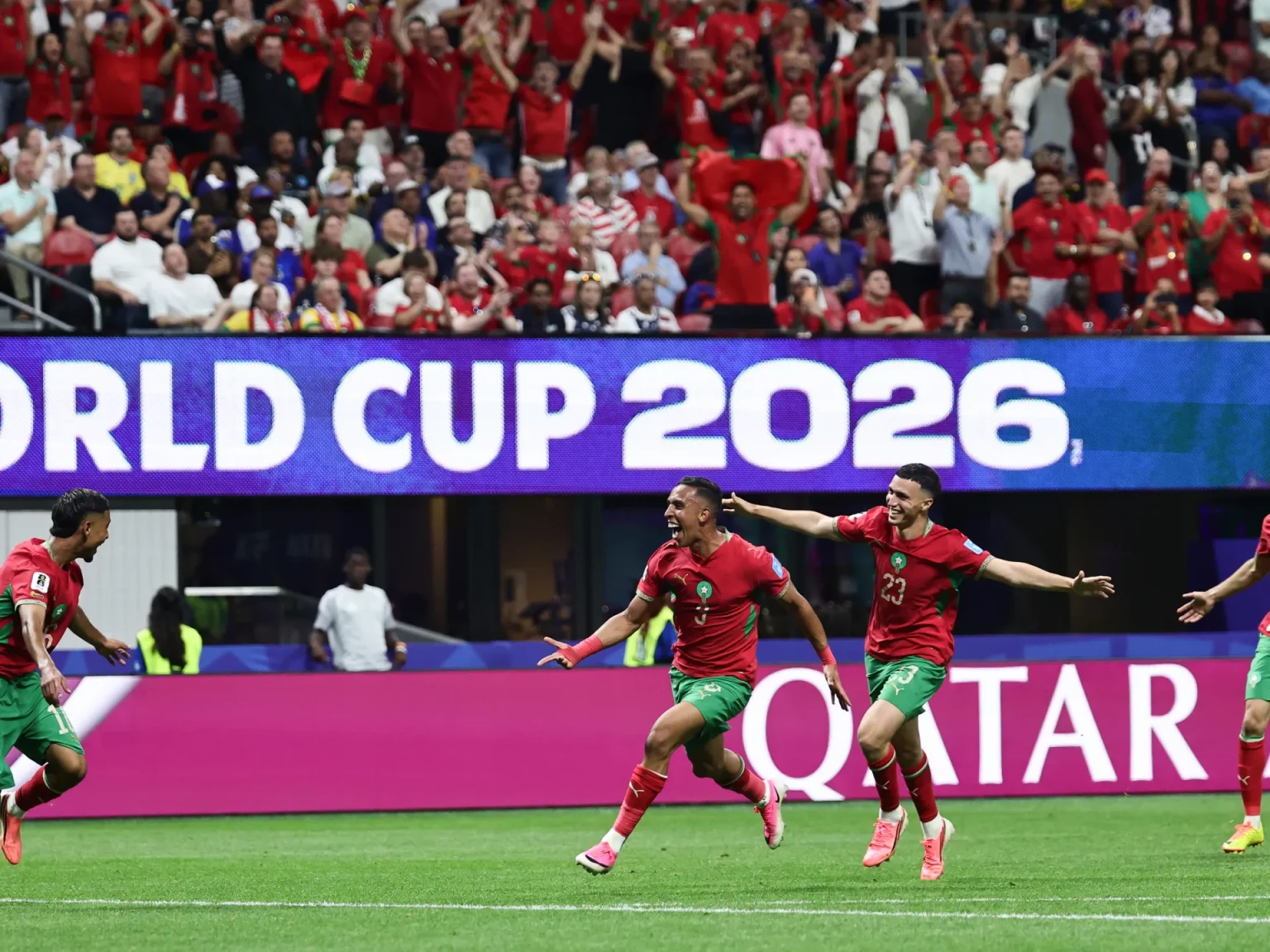
Five Arab teams were eliminated at the group stage of the FIFA World Cup 2026 in the United States, Canada and Mexico, while three — Morocco, Egypt and Algeria — progressed to the round of 32. Arab teams World Cup 2026 now centers attention on those three North African sides as fans regionwide shift hopes to the knockout round.
The five eliminated sides were Tunisia, Iraq, Jordan, Qatar and Saudi Arabia. Tunisia left the competition after three straight losses, Iraq and Jordan finished their campaigns without a point, Qatar collected one point and Saudi Arabia ended with two draws against Cape Verde and Uruguay, falling short of qualification.
Arab teams World Cup 2026: reasons for the group-stage exits
Several factors contributed to the early exits, including defensive frailties, inconsistent form and limited time for tactical adjustments. Tunisia conceded 12 goals in the group stage, a key reason for its disappointing performance despite a coaching change after the opening match.
Qatar, making its second World Cup appearance following the 2022 tournament it hosted, failed to build momentum, while Iraq and Jordan struggled to translate regional successes into results at the global level. Saudi Arabia collected two points but could not convert draws into the wins needed to reach the knockout stage.
North African teams prepare for the round of 32
Morocco, Egypt and Algeria will represent Arab football in the round of 32, with fixtures that pose contrasting challenges. Morocco faces the Netherlands, Egypt meets Australia and Algeria plays Switzerland, all matches that will test tactical discipline and squad depth.
Morocco arrives with the tournament pedigree of a deep run in 2022 and will confront a Netherlands side that has shown strong form. Egypt, which finished second in its group, must shore up weaknesses exposed in group play if it hopes to advance. Algeria qualified as one of the best third-placed teams after a 3-3 draw with Austria that restored some confidence.
Regional reactions and fan perspectives
Public reaction across the Arab world mixed disappointment with cautious optimism for the remaining sides. A Jordanian supporter told Reuters that while fans were saddened by his country’s elimination, the very first World Cup appearance was a source of pride and would not diminish support for other Arab teams.
In Tunisia, fans expressed frustration that a late coaching change did not improve results. Tunisian sports commentators said supporters are likely to spread their backing among Morocco, Egypt and Algeria rather than concentrating on a single team, citing historic and cultural ties across the region.
Expert assessments of Morocco, Egypt and Algeria
Regional analysts highlighted both potential and vulnerabilities in the three North African teams. An Egyptian sports commentator speaking to Reuters said Egypt possesses the technical quality and mentality to advance from the round of 32, provided the side addresses lapses from group play and maintains focus under pressure.
Observers note Morocco’s resilience and recent World Cup experience as important assets, but also warn that facing a tactically adept Dutch team will require precise defensive organization and effective counterattacking. Algeria’s late-group resurgence, capped by the high-scoring draw with Austria, gives it momentum, though consistency remains a question.
What to watch in the knockout phase
Key indicators to monitor in the round of 32 include defensive stability, set-piece management and the availability of leading players. Teams that correct defensive errors and control transitions are likelier to progress, while those depending on individual moments face greater risk.
For Morocco, tactical discipline against the Netherlands will be decisive. Egypt must convert possession into clear chances and sustain concentration for 90 minutes. Algeria’s match with Switzerland will hinge on clinical finishing and limiting defensive errors that could undo their momentum.
Implications for Arab football and next steps
The World Cup 2026 outcomes underline a wider regional picture: competitive progress by North African teams alongside developmental gaps in other Arab federations. Football officials and coaches are likely to review player development pathways, international scheduling and coaching structures following group-stage results.
Fans and federations will now focus on immediate knockout fixtures and on mid-term reforms aimed at closing the gap with top international teams. According to tournament reports and regional commentators, the performance of Morocco, Egypt and Algeria over the coming matches will shape narratives about Arab football’s trajectory.
Conclusion: timing and what to expect next
In the coming days, Morocco, Egypt and Algeria will play their round-of-32 matches, offering a final chance this tournament for Arab teams to extend their presence. Arab teams World Cup 2026 remains a focal phrase for regional supporters tracking those fixtures and the outcomes that follow.
Readers should watch team news, injury updates and tactical formations ahead of each knockout match. Tournament momentum, matchups and in-game management will determine whether one or more Arab teams can progress further and sustain the region’s World Cup ambitions into the later rounds.