






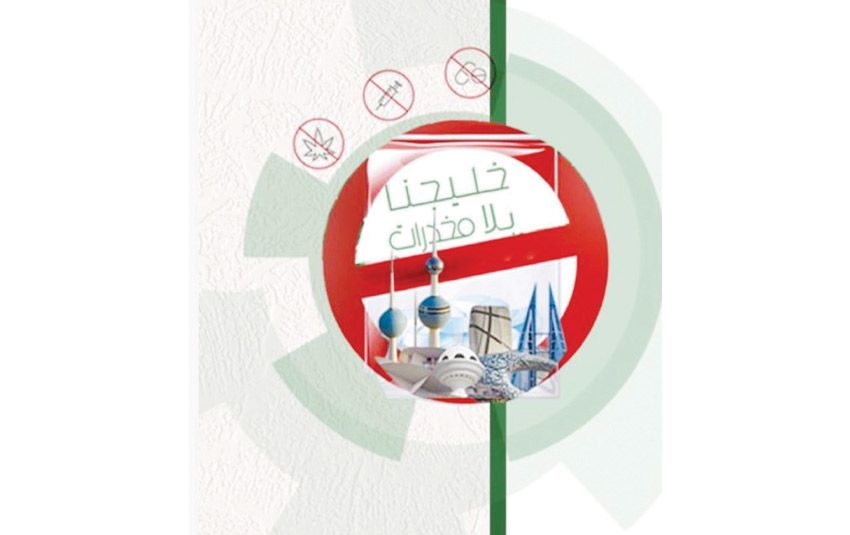

The Gulf Cooperation Council Statistical Center on June 26 published a descriptive data guide linked to the regional anti-drug strategy for 2025–2028, outlining a standardized framework for monitoring progress. The guide highlights the use of AI in drug prevention to strengthen surveillance, unify metrics across member states and evaluate the effectiveness of preventive and treatment programs.
The release coincided with the International Day Against Drug Abuse and Illicit Trafficking and aims to support the GCC-wide strategy titled “Our Gulf Without Drugs.” Officials said the guide provides indicator cards, common definitions and data collection protocols to harmonize reporting and policy assessment across the Gulf states.
AI in drug prevention: what the GCC guide proposes
The guide explicitly advocates adopting artificial intelligence tools to enhance detection, forecasting and program evaluation while maintaining standardized performance indicators. Meanwhile, the document lists a dozen core indicators that span prevention, treatment, law enforcement and social reintegration to create a comprehensive monitoring system.
One indicator specifically measures drug use among students, enabling authorities to monitor prevalence trends in school-age populations and target interventions inside educational settings. Furthermore, the guide directs governments to develop compatible surveys and administrative data systems so that AI-driven analytics can compare like with like across countries.
Key performance indicators and measurement approach
The guide defines 12 primary performance indicators that together aim to measure the scale and impact of drug-related harm and the response capacity of member states. These performance indicators include rates of new drug users, prevalence among students, treatment coverage, relapse rates, law enforcement seizures and cross-border information sharing.
According to the Statistical Center, each indicator comes with a data dictionary and methodological notes to ensure consistent application. Therefore, AI applications and statistical models will rely on harmonized inputs, improving the comparability of trend analysis and the assessment of preventive programs across the Gulf countries.
How AI and data tools will be applied
Officials suggested artificial intelligence systems are expected to support early warning, pattern detection, and resource allocation rather than replace traditional surveillance. For example, AI in drug prevention can help prioritize hotspots, identify supply chain vulnerabilities and analyze large-scale anonymized data to detect emerging substances or shifts in consumption among youth.
Additionally, predictive analytics may assist health and education authorities to tailor targeted outreach for populations at higher risk, including students, while program managers can use real-time dashboards to monitor uptake of treatment and rehabilitation services. However, the guide emphasizes that machine learning outputs should be interpreted alongside expert judgment and field intelligence.
Data quality and capacity building
The guide highlights the need to invest in statistical capacity so member states can supply reliable inputs for AI tools and conventional analysis. Therefore, the strategy includes indicators for the number of trained national specialists and the availability of treatment and rehabilitation services, reflecting a systems approach to both human and technological capacity.
Implications for schools, health systems and security agencies
For the education sector, the inclusion of a student prevalence indicator signals increased monitoring and prevention activities within schools. Meanwhile, health services are expected to expand screening, treatment and reintegration efforts to meet the coverage targets set out in the indicators.
Security agencies will use harmonized seizure and enforcement indicators to coordinate cross-border responses and follow financial-trace indicators aimed at reducing money laundering linked to narcotics trafficking. Therefore, the combined approach aims to integrate prevention, treatment and enforcement while enabling mutual accountability through shared metrics.
Ethical safeguards and privacy considerations
The guide stresses that the use of artificial intelligence must comply with privacy, data protection and ethical standards, particularly when analyzing sensitive information about minors. Accordingly, anonymization, strict access controls and oversight mechanisms are recommended before AI systems are deployed at scale.
What to watch next and expected timeline
Implementation of the standardized monitoring framework is planned to support the 2025–2028 Gulf anti-drug strategy, with member states expected to begin aligning national datasets and submitting periodic reports. Observers should watch for published baseline figures, the rollout of capacity-building programs and the first regional status updates that indicate how AI in drug prevention is being operationalized.
Furthermore, progress will likely be reflected in annual statistical releases and joint reports by GCC institutions, providing a basis for evaluating whether harmonized indicators and AI-enabled analytics lead to measurable reductions in harm. Therefore, stakeholders should monitor technical guidance, pilot projects and interagency cooperation as early signs of impact.
In conclusion, the GCC Statistical Center’s guide aims to modernize monitoring through standardized performance indicators and the careful introduction of AI tools to support prevention and response. Moving forward, the effectiveness of this approach will depend on data quality, ethical safeguards and sustained regional cooperation, with key milestones expected during the 2025–2028 strategy period.