





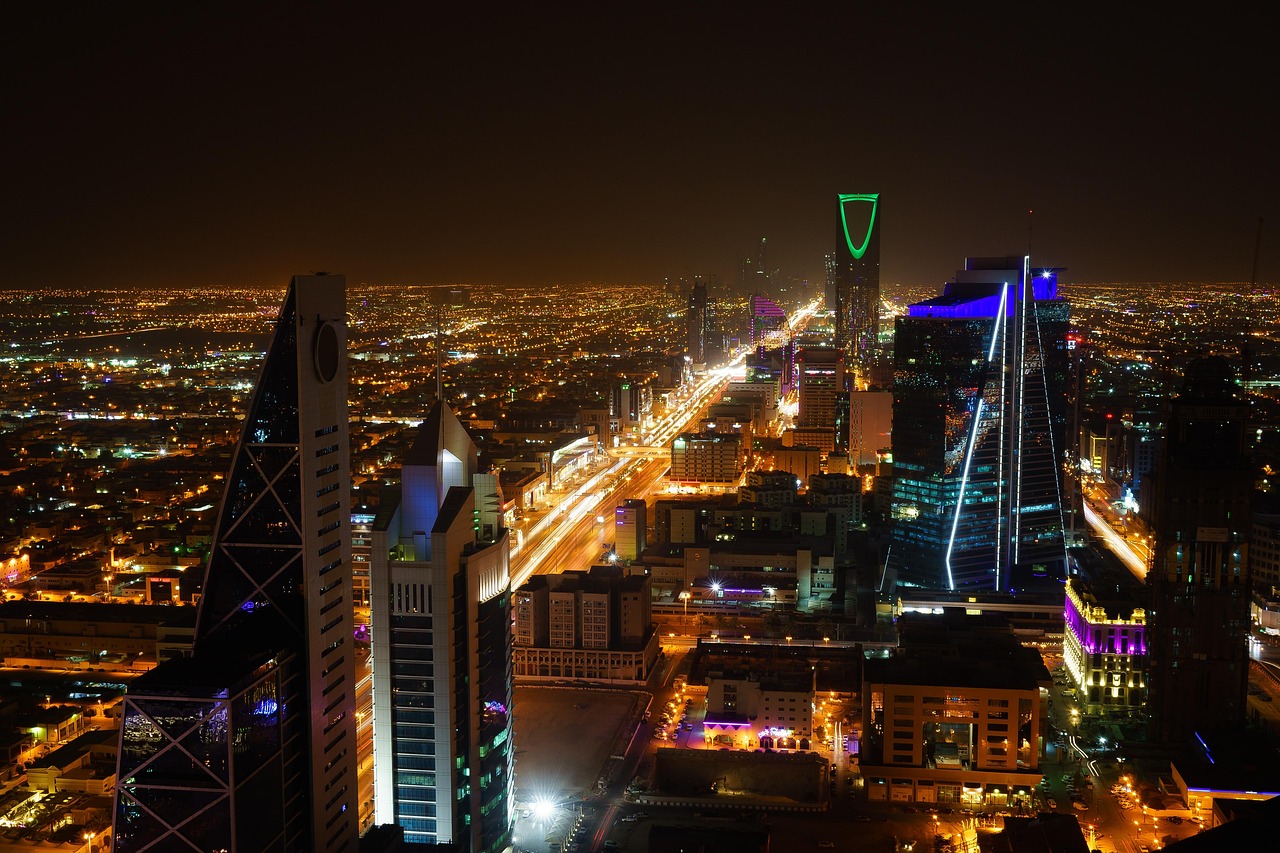

Riyadh has rapidly moved from an oil-era capital to a diversified, investment-driven city. For buyers and investors looking at the Saudi market, the best approach is to focus on neighborhoods where infrastructure projects, government initiatives and private-sector growth overlap. This guide highlights the top property hotspots in Riyadh for investment, explains why each area matters, and gives practical steps for a visit or purchase planning.
Below you’ll find clear, location-focused guidance on areas such as the King Abdullah Financial District, Diriyah, Olaya and northern residential developments, plus comparison points, common mistakes to avoid and travel logistics for a property scouting trip. Use the neighborhood summaries, table and tips to prioritize site visits and to prepare the right local contacts before you travel.
Quick Answer
The most promising property hotspots in Riyadh for investment right now are King Abdullah Financial District (KAFD) for commercial and high-end residential demand, Diriyah for hospitality and mixed-use upside, Olaya and Sulaymaniyah for central office and serviced apartments, and north Riyadh (Al-Malqa / Al-Nakheel) for new residential developments. Investors should factor in proximity to Riyadh’s new projects, transport links like King Khalid International Airport and the Riyadh Metro, and verify current ownership rules with Saudi authorities.
Key Takeaways
- KAFD and Diriyah are primary targets for long-term, institutional-style investment.
- Central districts (Olaya, Sulaymaniyah) suit short- to medium-term rental and serviced apartment strategies.
- North Riyadh neighborhoods are growth corridors for family housing and gated communities.
- Visit in person, hire a local lawyer and licensed broker, and check official Saudi government resources for current foreign ownership rules.
Top Property Hotspots in Riyadh for Investment — Overview
Riyadh’s property market is shaped by mega projects, new transport infrastructure and an increasing private sector presence. Below are the neighborhoods widely regarded as hotspots for different investment goals—commercial income, capital appreciation, or hospitality and tourism plays.
King Abdullah Financial District (KAFD)
Why it stands out: KAFD is Riyadh’s answer to a central business district with modern offices, luxury residential towers and international institutions. It attracts banks, professional services and high-income tenants.
Best for: Long-term commercial leases, premium serviced apartments, and developers targeting institutional buyers.
Diriyah and Diriyah Gate
Why it stands out: Diriyah is the historic heart undergoing large-scale cultural and tourism redevelopment. New museums, boutique hotels and destination retail create hospitality-driven property demand.
Best for: Hotel investments, short-stay rentals and mixed-use projects that capture tourist flows and cultural events.
Olaya and Sulaymaniyah (Central Riyadh)
Why it stands out: These central districts have established office stock, shopping centres and high-density residential options. They remain popular with expatriates, professionals and corporate tenants.
Best for: Serviced apartments, office acquisitions and mixed-use developments focused on rental cashflow.
North Riyadh: Al-Malqa, Al-Nakheel and Surrounding Developments
Why it stands out: Northern Riyadh contains newer master-planned communities, schools, parks and family housing. Infrastructure investment continues to expand these areas’ appeal for middle-to-upper income residents.
Best for: Family housing projects, suburban apartment blocks and long-term rental portfolios for local tenants.
Diplomatic Quarter and Luxury Enclaves
Why it stands out: The Diplomatic Quarter and nearby luxury zones offer high security, established amenities and proximity to international missions. These areas suit buyers seeking stability and premium tenants.
Best for: High-net-worth residential purchases and corporate leases driven by embassy or multinational needs.
Comparing Hotspots: Quick Reference Table
| Neighborhood | Best For | Key Advantage |
|---|---|---|
| King Abdullah Financial District (KAFD) | Commercial, premium residential | Modern infrastructure; corporate demand |
| Diriyah | Hospitality, mixed-use | Cultural tourism redevelopment; long-term upside |
| Olaya & Sulaymaniyah | Serviced apartments, offices | Central location; established rental market |
| North Riyadh (Al-Malqa, Al-Nakheel) | Family housing, suburban rentals | Master-planned communities; growth corridor |
| Diplomatic Quarter & luxury enclaves | Premium residential | Security, amenities, stable tenant base |
Practical Tips for Choosing Between Districts
- Align strategy with product type: choose KAFD for offices, Diriyah for hotels, north Riyadh for family apartments.
- Check transport access: proximity to Riyadh Metro stations and main highways raises rental desirability.
- Visit at different times: daytime traffic, evening activity and weekend rhythms can reveal real demand.
- Ask for recent rental comparables and vacancy rates from licensed local brokers; trends change with new supply.
Common Mistakes to Avoid
- Assuming every new masterplan guarantees quick returns—some projects take many years to deliver full benefits.
- Not using a local lawyer—transaction structures and property registration processes require local expertise.
- Neglecting operational costs such as service charges, community fees and property management when modelling yields.
- Rushing purchases without on-the-ground inspections and tenant-market checks.
Who Should Invest in Riyadh Property?
Riyadh property investment suits long-term investors who can wait for infrastructure-led appreciation and professionals seeking rental cashflow from corporate or family tenants. It’s also appropriate for hospitality investors focused on cultural tourism growth in Diriyah. Short-term speculators should be cautious: market cycles and project delivery timelines can extend beyond a single year.
Best Tips for Planning Your Trip to Scout Property in Riyadh
- Fly into King Khalid International Airport (RUH) — allow a full day for your first on-the-ground meetings.
- Schedule viewings with licensed real estate brokers and request floor plans, title documents and recent utility bills in advance.
- Hire a local lawyer and translator if needed; verify property ownership and zoning with municipal offices.
- Plan visits on both weekdays and weekends to assess traffic, public transport usage and neighborhood nightlife.
- Check visa requirements and travel insurance before booking. Rules change; consult official Saudi government sources or your embassy.
How Infrastructure and Policy Shape Opportunity
Major projects—Riyadh Metro, new road links, and cultural developments like Diriyah Gate—directly influence property demand patterns. Areas with metro access or near major cultural destinations typically command higher rents and attract institutional interest. Policy reforms have gradually opened Saudi markets; however, foreign ownership conditions and tax rules can change, so confirm current regulations with official agencies and legal counsel.
Is It Worth It?
Yes, for patient investors who focus on location, tenant demand and project timelines. Riyadh offers structural growth driven by economic diversification, new transport, and tourism projects, creating pockets of high potential. Investors seeking quick flips should be cautious—success usually comes from careful due diligence, local partnerships and a multi-year horizon.
Conclusion
Top property hotspots in Riyadh for investment are concentrated where infrastructure, policy and private-sector demand meet: KAFD for commercial and premium residential, Diriyah for hospitality, central districts for serviced apartments and north Riyadh for family housing. Prepare for visits, engage local professionals, and align your asset type with neighborhood characteristics to capture the best returns. Check official Saudi resources and retain local legal advice before committing to purchase.
Frequently Asked Questions
Which Riyadh neighborhood gives the best rental yield?
Direct answer: Rental yield varies by asset class and timing; central districts like Olaya and Sulaymaniyah often deliver steady yields for serviced apartments, while northern suburbs may be stronger for family rentals. Explanation: Yields depend on purchase price, service charges, occupancy and tenant profiles—request current comparables from licensed brokers.
Can foreigners buy property in Riyadh?
Direct answer: Regulations on foreign ownership have evolved; some purchases are permitted but rules differ by property type and location. Explanation: Always verify current ownership and registration rules with the Saudi Ministry of Housing or a local lawyer before making plans.
When is the best time of year to visit Riyadh for property scouting?
Direct answer: Cooler months between November and March are more comfortable for visits. Explanation: Traffic patterns and business hours remain consistent year-round, but milder weather makes neighborhood walking tours and inspections easier.
How important is proximity to the Riyadh Metro?
Direct answer: Very important—metro access typically improves long-term demand and rental appeal. Explanation: Properties near metro stations benefit from increased accessibility for tenants and higher resale interest over time.
Are luxury property investments safe in Riyadh?
Direct answer: Luxury investments can be stable if located in secure, amenity-rich enclaves like the Diplomatic Quarter or established central districts. Explanation: Premium properties rely on a small pool of buyers and tenants, so factor in maintenance costs and market liquidity when investing.
Should I work with a local property manager after purchase?
Direct answer: Yes—local property management is essential for day-to-day operations and tenant relations. Explanation: Managers handle maintenance, rent collection and regulatory compliance, which is particularly important when you are an overseas investor.
What are the biggest risks when investing in Riyadh real estate?
Direct answer: Delivery delays on new projects, regulatory changes, and over-supply in some segments. Explanation: Mitigate risks by conducting due diligence, diversifying location types and confirming timelines with developers and municipal records.