







Teaching children sales skills through a hands-on market in Oman
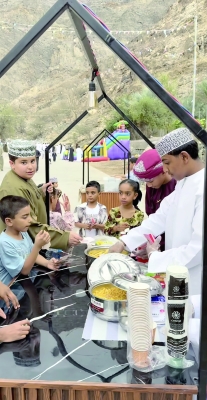
The Little Trader event in the village of Siya, Oman, offered children an immersive market experience that focused on teaching children sales skills. Organized by the Siya Youth Community Initiative during the recent Eid al-Adha celebrations, the event brought together local families, artisans and youth volunteers to transform simple ideas into micro-business stalls. Organizers said the activity is part of a wider program supported by the Ministry of Culture, Sports and Youth to build work habits and civic engagement among young residents.
Who organized the initiative and where it took place
The Siya Youth Community Initiative staged The Little Trader at a central community space in Siya, following earlier activities such as the Siya Carnival and a similar market at Eid al-Fitr. According to Imad bin Mohammed Al-Naabi, a member of the initiative’s administrative team, the program relies on ministry support combined with local sponsorships and volunteer efforts. Furthermore, Al-Naabi noted the initiative created an in-house media team of town residents to promote events and report outcomes.
Event format and practical learning opportunities
The Little Trader allocated multiple stalls featuring ice cream, hot and cold drinks, Omani coffee, sweets, dates, toys, gifts, handicrafts and products from participating households. The format was deliberately simple to facilitate experiential learning: children designed small products, managed pricing, engaged with customers and handled basic payments. Therefore, the event served as an introduction to youth entrepreneurship and financial literacy for kids in a low-risk, supervised setting.
Community empowerment and the role of volunteerism
Organizers described the event as a community empowerment effort rather than a one-off market. Mazen bin Yahya Al-Naabi, a co-founder of the initiative, said the program aims to strengthen local identity, support family-run businesses and promote rural cultural tourism through sustainable projects. Meanwhile, volunteers and parents worked alongside children, turning family involvement into an active part of the learning process and reinforcing intergenerational transfer of skills.
What participants learned at the stalls
Visitors saw children taking responsibility for entire kiosk operations, from stocking and displaying products to greeting customers and making sales. For example, students Muntasir bin Salem Al-Shukri and his cousin Ahmed bin Said Al-Shukri managed a stall offering homemade products and toys, gaining hands-on experience in customer interaction and inventory management. Parents and visitors reported that the practical exposure improved children’s confidence and communication skills more effectively than classroom lessons alone.
Challenges, impact and scale-up prospects
Organizers acknowledged constraints such as limited funding, tight event spaces and the need for more institutional partners. Imad Al-Naabi said these limitations are treated as opportunities to refine the program and respond to community feedback. Despite the hurdles, the event recorded growing participation, with organizers reporting more than 23 stalls in the latest edition—an indication of rising local interest and the initiative’s expanding reach.
Measured outcomes and broader benefits
Beyond immediate sales, the market introduced children to concepts such as cost, value, customer service and teamwork. The initiative emphasized that small, guided ventures can plant early seeds for entrepreneurship and civic responsibility. Furthermore, the activities reinforced volunteer culture and collective action, which local supporters described as central to building social capital in rural settings.
Why teaching children sales skills matters
Early exposure to practical commerce equips young people with transferable competencies and reduces the gap between theoretical knowledge and real-world applications. Teaching children sales skills boosts financial literacy for kids while nurturing initiative, accountability and problem-solving. According to organizers and community observers, these formative experiences can contribute to a more enterprising generation able to support local economies and preserve cultural trades.
Voices from the community
Visitors and volunteers emphasized the educational value of the market. One visitor described the event as a complete educational project, noting that children acquired self-confidence and a better understanding of earning through effort. Local supporters highlighted the synergy between organizers, volunteers and families, saying the model demonstrates how civic groups can mobilize resources to serve youth development goals.
Next steps and what to watch for
Organizers said they plan to secure additional sponsors and institutional partners to expand activities and secure larger venues. Future editions may broaden participation to neighboring communities and incorporate structured workshops on budgeting and marketing. Readers should watch for announcements from the Siya Youth Community Initiative and the Ministry of Culture, Sports and Youth about upcoming markets and training opportunities in the regional festival calendar.
In conclusion, The Little Trader illustrates how community-led events can deliver practical education by teaching children sales skills in a supportive environment. As the initiative seeks more partners and resources, its model could inform similar youth entrepreneurship programs across rural areas, offering a replicable path to strengthen skills, confidence and local economies.