






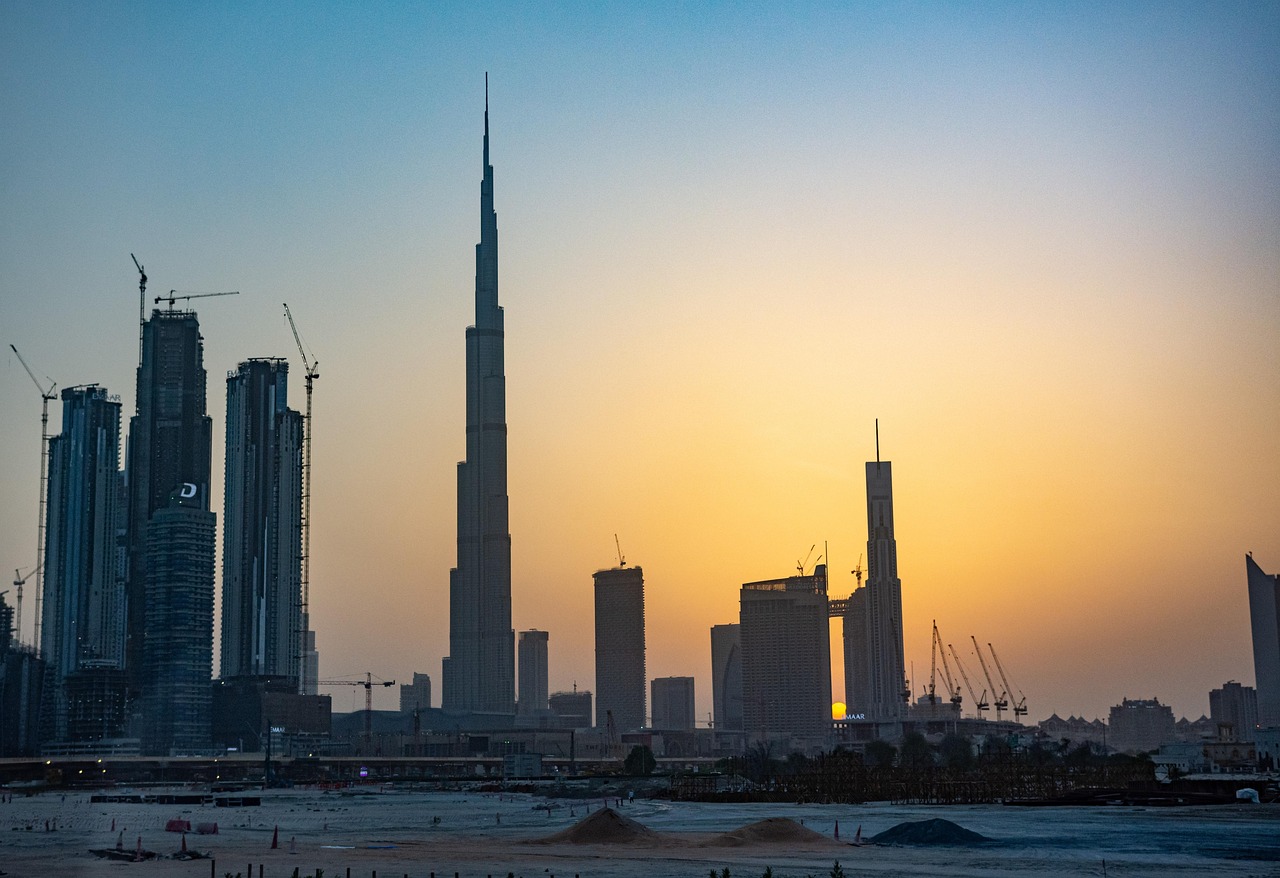

The Top 10 Highest Paying Jobs in UAE and Saudi Arabia are concentrated in a handful of sectors: energy, healthcare, finance, technology, aviation, and large-scale construction and real estate. For professionals considering relocation, these markets offer tax advantages, rapid career growth, and large expatriate communities—but pay varies by city, company, and the benefits package that often accompanies a contract.
This guide lists the highest-paying roles you’re most likely to encounter in Dubai, Abu Dhabi, Riyadh, and Jeddah, explains why they command top compensation, and gives practical travel and relocation advice for jobseekers. If you’re planning a move for work, read the sections on visas, housing, and what to look for in an offer before you book your flight or sign a contract.
Quick Answer
The highest paying jobs in UAE and Saudi Arabia typically include C-suite executives, specialist doctors and surgeons, senior petroleum engineers and energy managers, airline pilots, senior IT and cloud architects, investment banking and finance directors, legal counsel, senior management consultants, large-project construction managers, and senior real estate development executives. Salaries are influenced by industry, experience, qualifications, and the employer’s relocation and benefits package. Always verify visa, licensing, and tax details with official government or company HR resources before relocating.
Key Takeaways
- High pay aligns with strategic sectors: oil & gas, healthcare, finance, IT, aviation, and construction.
- Compensation often includes housing, schooling, health insurance, and flight allowances—factor these into any offer.
- Dubai, Abu Dhabi, Riyadh, and Jeddah are the primary job hubs for these roles.
- Licensing and credential recognition (medical, engineering, legal) are essential; check professional requirements early.
- Do not rely solely on headline salary numbers—compare total compensation and local cost of living.
How we categorize the Top 10 Highest Paying Jobs in UAE and Saudi Arabia
Pay levels in the Gulf follow sectoral demand, project scale, and scarcity of certified talent. Roles that combine senior responsibility, technical certification, and cross-border experience command premium packages. For many expatriate hires, the compensation conversation extends beyond base salary to include benefits like housing, healthcare, annual leave flights, and end-of-service gratuities.
Top 10 Highest Paying Jobs in UAE and Saudi Arabia
1. C-suite Executives (CEO, CFO, COO)
Why high pay: Strategic leadership across multinational operations and heavy responsibility for profitability and compliance. Where: multinationals, regional headquarters in Dubai and Riyadh. What to check: contract length, performance bonuses, relocation package, and expatriate tax implications.
2. Specialist Doctors and Surgeons
Why high pay: Scarcity of board-certified specialists and the critical nature of clinical roles. Where: major hospitals and private clinics in Dubai, Abu Dhabi, and Riyadh. What to check: medical licensing (often from health authorities), malpractice insurance, and on-call expectations.
3. Petroleum Engineers and Energy Project Managers
Why high pay: Critical to oil, gas, and energy-transition projects that remain central to both economies. Where: Eastern Province hubs, Abu Dhabi, and Riyadh. What to check: site vs. city postings, shift patterns, and safety/insurance provisions for field work.
4. Airline Pilots and Senior Aviation Managers
Why high pay: Skill scarcity and safety accountability in large airline hubs. Where: national carriers and large private operators—Dubai International (DXB), Abu Dhabi (AUH), Riyadh (RUH), Jeddah (JED). What to check: contract length, base location, flight roster, and family travel allowances.
5. Senior IT Architects, Cloud Engineers, and Data Scientists
Why high pay: Digital transformation and cloud migrations create acute demand for experienced technologists. Where: fintech, large banks, tech hubs in Dubai and Riyadh. What to check: remote vs. on-site expectations, IP ownership clauses, and professional development support.
6. Investment Bankers and Finance Directors
Why high pay: Transactional work and capital markets expertise are highly valued for regional deals and asset management. Where: Dubai International Financial Centre (DIFC), Abu Dhabi Global Market (ADGM), Riyadh financial district. What to check: bonus structure, regulatory compliance requirements, and non-compete clauses.
7. Senior Legal Counsel and Compliance Officers
Why high pay: Complex cross-border contracts, mergers, and evolving regulatory environments require seasoned counsel. Where: large corporates, energy companies, and financial institutions. What to check: jurisdictional licensing, in-country practice rights, and confidentiality obligations.
8. Management Consultants and Private Equity Professionals
Why high pay: Advisory roles that directly influence large-scale government and corporate initiatives, including development programs. Where: international consulting firms and regional PE houses. What to check: travel expectations, project length, and success fee arrangements.
9. Construction and Project Directors (Mega Projects)
Why high pay: Delivery of large infrastructure, urban development, and real estate projects demands seasoned project leadership. Where: large developments in Dubai, Abu Dhabi, Riyadh, and coastal/industrial zones. What to check: contract penalties, safety and logistics arrangements, and expatriate housing support.
10. Real Estate Development Directors and Senior Asset Managers
Why high pay: Managing portfolios and delivering high-value developments in prime urban locations. Where: major property developers and REITs in Dubai and Riyadh. What to check: variable pay linked to project performance, and local market cycles that affect bonuses and revaluation.
Where the jobs are concentrated (cities, airports, and key employers)
Dubai and Abu Dhabi draw multinational headquarters, international banking, and private healthcare. Riyadh and Jeddah are government and energy hubs with growing private-sector demand. Major airports—Dubai International (DXB), Abu Dhabi (AUH), Riyadh King Khalid (RUH), and Jeddah King Abdulaziz (JED)—serve as gateways for both business travel and family relocations. Look for vacancies with multinational firms, national oil companies, private hospitals, and large contractors.
Practical tips when evaluating a job offer
- Compare total compensation, not just base salary: include housing, schooling, health insurance, and flight allowances.
- Ask for clear terms on work permits and who pays for visa sponsorship or attestation of professional qualifications.
- Confirm professional licensing steps early—medical boards, engineering accrediting bodies, and legal practice rights often take time.
- Negotiate repatriation or end-of-service benefits; these can be significant in total remuneration.
- Check the employer’s policies on family visas, schooling assistance, and spouse work permissions if relevant.
Best Tips for Planning Your Trip (and move) to work in UAE and Saudi Arabia
Start by securing a written job offer that spells out benefits and visa sponsorship. Use official government websites and your employer’s HR department to confirm visa and work permit steps; do not rely solely on third-party advice when legal status is at stake.
Book a one-way flight only after visa approval. Research short-term housing options near your workplace for the first month and start longer-term apartment hunting with local agents once on the ground. Arrange international health insurance that covers both travel and the waiting period until local employer coverage begins.
Is it worth it? Who is this best for?
Moving to the UAE or Saudi Arabia for one of the top-paying roles can be worth it for senior professionals seeking higher take-home pay, rapid career progression, and experience in regional markets. It suits people who are comfortable with expat life, relocation logistics, and possibly living in a high-cost city.
If you prioritize long-term social benefits like citizenship or publicly funded pensions, compare options carefully—many expatriate packages are contractual and linked to employment. For families, the decision often hinges on schooling options, spouse work rights, and proximity to international airports for frequent travel.
Common mistakes to avoid
- Accepting a headline salary without clarifying housing, schooling, and medical benefits.
- Underestimating licensing and credential transfer time for regulated professions.
- Failing to account for non-work obligations like local cultural norms and residency documentation.
- Not securing clear language about probation periods, penalties, and termination clauses.
Conclusion
The Top 10 Highest Paying Jobs in UAE and Saudi Arabia cluster around leadership, scarce technical skills, and regulated professions—C-suite roles, medical specialists, energy engineers, pilots, senior IT architects, finance leaders, lawyers, consultants, project directors, and real estate executives. The right offer combines competitive base pay with a robust benefits package and clear visa support. Before you accept, verify licensing requirements, factor in cost of living for the cities involved, and confirm the total compensation package so your relocation is financially and practically sound.
Frequently Asked Questions
Which sectors pay the most in the UAE and Saudi Arabia?
Answer: Energy, healthcare, finance, aviation, technology, and large-scale construction typically offer the highest pay. These sectors drive major projects and rely on senior technical and managerial talent, which pushes compensation up.
Are salaries in the UAE and Saudi Arabia tax-free?
Answer: Many expatriates benefit from favorable personal tax regimes, but tax rules vary and can change. Always check current national tax laws and any tax obligations in your home country before making decisions.
Do employers usually provide visa sponsorship and relocation support?
Answer: Many employers offer visa sponsorship and packages that include housing, flights, and initial relocation assistance. However, the level of support differs by company and role, so get the details in writing.
How important is professional licensing for doctors and engineers?
Answer: Very important—medical, engineering, and legal professionals usually need local licensing or registration. Start the credential recognition process early, because it can take weeks or months and may require document attestation.
Which city offers more opportunities for executives and finance professionals?
Answer: Dubai and Abu Dhabi are primary hubs for finance, corporate headquarters, and international banks, while Riyadh is expanding rapidly in finance and corporate roles. The best city depends on sector focus and employer presence.
What should families consider when relocating for a high-paying job?
Answer: Families should evaluate schooling options, spouse employment rules, healthcare coverage, visa timelines, and neighborhood safety. These factors can make or break a successful relocation, so discuss them with your employer beforehand.