





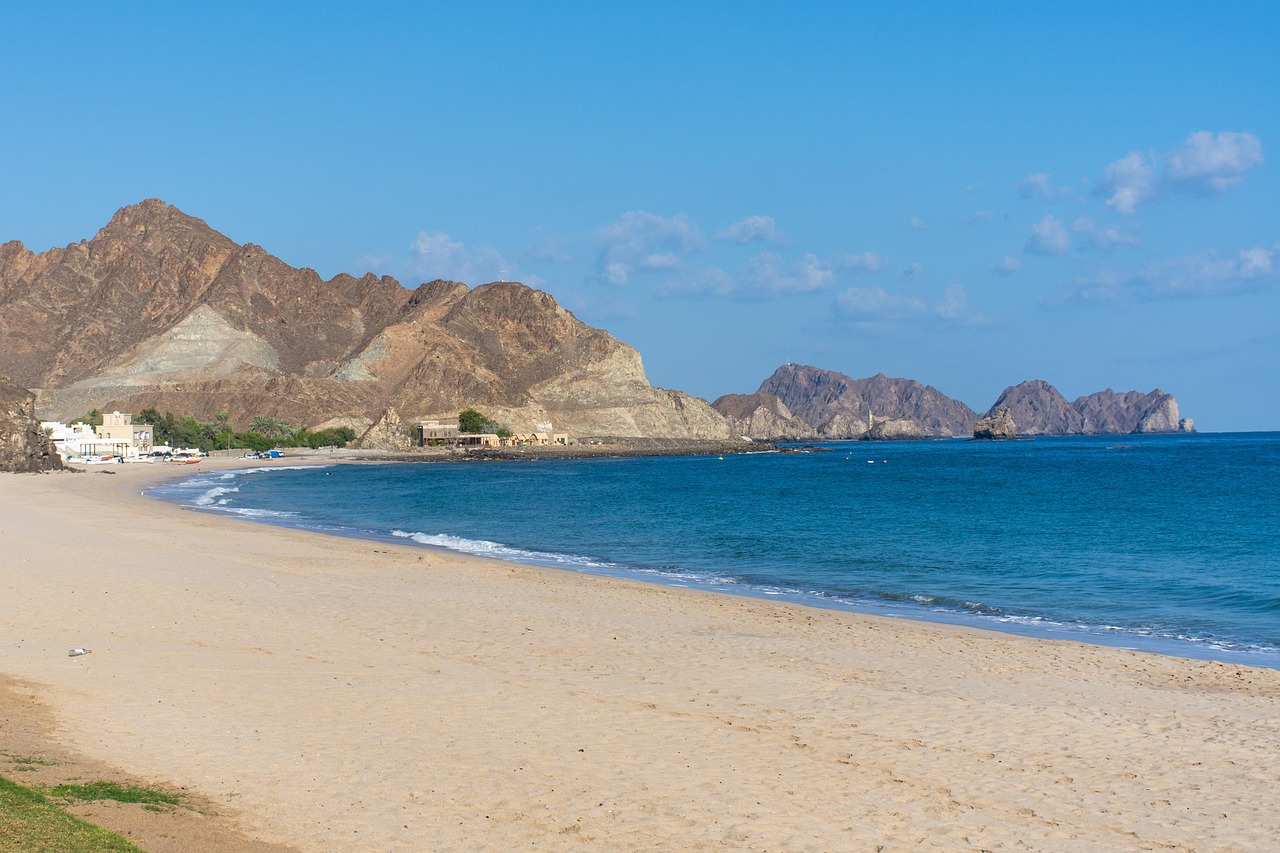

Oman’s coastline delivers a surprising mix of wide, empty sand, sheltered coves and coral-rich islands — making it an excellent destination for travelers seeking calm and discovery. The Best Beaches in Oman for Relaxation and Tourism include quiet urban sands near Muscat, remote island reefs for snorkeling, and long desert shores in Dhofar, all framed by the Arabian Sea and the Gulf of Oman.
This guide highlights the most peaceful, scenic and tourism-friendly beaches across Oman, with practical advice on where to go, what to expect, and how to plan. Whether you want a sunset swim, turtle-watching at night, or a sheltered bay for snorkeling, these beaches are chosen for relaxation and quality visitor experiences.
Quick Answer
The Best Beaches in Oman for Relaxation and Tourism are clustered around three regions: the Muscat area (Qurum Beach, Qantab, Daymaniyat Islands, Bandar Khayran), the Sharqiyah and Ras al Hadd/Sur area (Fins, Ras al Jinz turtle reserve, Masirah Island, Duqm), and the Dhofar region near Salalah (Al Mughsail and remote white-sand coves). Each region offers different activities — swimming and promenades near Muscat, snorkeling and diving around islands, and turtle nesting and long deserted beaches in the east and south.
Key Takeaways
- Muscat area for convenience, snorkeling and soft sand promenades.
- Sharqiyah & Masirah for remote beaches, turtle watching and wind sports.
- Dhofar (Salalah) for dramatic cliffs, long white sands and the Khareef season.
- Plan seasonally: October–April is cooler; Dhofar has a green Khareef monsoon in summer.
- Respect turtle reserves and local customs; use reputable guides for diving and night tours.
Top Beaches in Oman for Relaxation and Tourism
Qurum Beach and Shatti Al Qurum (Muscat)
Qurum Beach is Muscat’s most accessible stretch of sand with a tree-lined promenade, cafes and easy access to hotels. It’s ideal for relaxed sunset walks, families, and the occasional paddle — convenient if you’re staying near Muscat International Airport (MCT).
Qantab Beach and Bandar Khayran
Qantab is a sheltered cove 20–30 minutes from central Muscat with clear water and local seafood cafés. Nearby Bandar Khayran and the Daymaniyat Islands are marine conservation areas excellent for snorkeling, kayaking and day trips on traditional boats.
Daymaniyat Islands — Best for Snorkeling and Marine Life
Protected reefs and abundant fish make the Daymaniyat Islands one of Oman’s snorkeling highlights. Boat operators from Muscat or nearby towns offer half-day trips; bring reef-safe sunscreen and a waterproof camera.
Fins Beach and Wadi Shab Access (Sharqiyah Coast)
Fins Beach is a long, white-sand crescent with dramatic dunes nearby. It’s a popular stopping point on the road toward Wadi Shab and Tiwi, blending beach relaxation with easy access to hikes and swimming in freshwater pools.
Ras al Jinz and Ras al Hadd — Turtle Nesting Beaches
Ras al Jinz is internationally known for green turtle nesting. Guided night visits run by the reserve are the respectful way to watch turtles come ashore; follow ranger instructions and never use flash photography. This area also has quiet daytime beaches for relaxing walks.
Masirah Island — Remote Beaches and Wind Sports
Masirah Island off the east coast is a haven for wide, empty beaches, kiteboarding and birding. Access involves a ferry or local flights; the island’s remoteness makes it perfect for disconnecting and enjoying uncrowded sand.
Duqm and Al Ashkhara — Wide, Untamed Shorelines
The Duqm coast has long stretches of undeveloped sand ideal for solitude, stargazing and off-road exploration. Facilities are limited, so bring supplies and check the accessibility of remote tracks before you go.
Al Mughsail and Salalah Coast (Dhofar)
Near Salalah, Al Mughsail Beach is famous for sweeping sands and coastal blowholes against rocky headlands. The Dhofar coast also becomes a green, misty landscape during the Khareef season (summer months), offering a unique contrast to the rest of Oman’s arid coastline.
Comparison Table: Beaches at a Glance
| Beach / Area | Best for | Nearest city / airport |
|---|---|---|
| Qurum / Shatti Al Qurum | Easy access, families, promenades | Muscat (MCT) |
| Daymaniyat Islands / Bandar Khayran | Snorkeling, marine life | Muscat / Quriyat |
| Ras al Jinz / Ras al Hadd | Turtle nesting, wildlife | Sur; road access from Muscat |
| Masirah Island | Wind sports, solitude | Wahiba / Masirah ferry |
| Al Mughsail (Salalah) | Long beaches, blowholes, Khareef | Salalah (SLL) |
Best Beaches in Oman for Specific Interests
Best for Families
Qurum and other urban beaches near Muscat are easiest for families — lifeguards, cafes and short transfers. Choose well-developed beaches for shade and amenities.
Best for Snorkeling and Diving
Daymaniyat Islands and several spots along the Muscat coast offer the best coral and fish encounters. Use licensed dive operators and confirm equipment and safety standards before booking.
Best for Turtle Watching
Ras al Jinz is the primary reserve for turtle viewing. Tours are guided by rangers to protect nesting turtles; book through the reserve or a reputable hotel to ensure compliance with conservation rules.
Best for Seclusion
Masirah Island, Duqm and stretches of Dhofar coast provide vast, quiet beaches with few visitors. Remote beaches often lack services, so plan logistics carefully.
Practical Tips, Common Mistakes to Avoid, and Safety
- Check seasonal weather: October–April is the most comfortable for most beach activities; Dhofar’s Khareef season (summer) brings cooler, misty weather in Salalah.
- Respect protected areas: never enter cordoned-off turtle nesting zones or collect shells from conservation sites.
- Use reef-safe sunscreen and avoid anchoring on reefs; local operators can show the best snorkeling spots.
- Do not assume all beaches are safe for swimming — currents can be strong. Ask locals or hotel staff about conditions.
- If traveling to remote beaches, bring water, shade, a physical map or GPS and ensure your vehicle is suitable for sand tracks.
Best Tips for Planning Your Trip
- Fly into Muscat International Airport (MCT) for most coastal access; Salalah Airport (SLL) serves the Dhofar beaches.
- Book guided turtle-watching and diving through licensed operators or national reserves to protect wildlife and ensure safety.
- Reserve accommodation in advance during peak seasons and Khareef if visiting Salalah, as demand can spike.
- Rent a car for flexibility; many scenic beaches require driving. For very remote stretches, a 4×4 can be useful but confirm road conditions first.
- Carry travel insurance that covers water sports if you plan diving, snorkeling or kitesurfing.
- Check visa requirements, airline schedules and entry rules with official government and airline websites before travel.
Is it worth it? Who is this best for?
Yes — Oman’s beaches are worth visiting if you want a quieter, more natural coastal experience than crowded resort coasts offer. The best beaches in Oman for relaxation and tourism suit beach lovers who appreciate wildlife, snorkeling, coastal hikes and scenic solitude rather than loud beachfront nightlife.
This destination is ideal for couples seeking sunsets and secluded coves, families who prefer safe, amenity-rich urban beaches, and outdoor travelers who enjoy snorkeling, diving and nature guides for turtle visits.
Conclusion
Oman’s coastline rewards visitors with variety: urban beaches for convenience, protected islands for marine life, and wild southern sands for solitude. Prioritize the Best Beaches in Oman for Relaxation and Tourism based on the activities you value most — snorkeling, turtle watching, family-friendly shores or remote stretches for quiet. With a little planning around season, transport and conservation rules, Oman’s beaches make an excellent addition to any Arabian Peninsula itinerary.
Frequently Asked Questions
When is the best time to visit Oman’s beaches?
October to April offers the most comfortable temperatures for swimming, snorkeling and sunbathing. Dhofar (Salalah) has a distinct Khareef season in summer, which is cooler and green but can be misty and wetter.
Are Oman’s beaches safe for swimming?
Many beaches are safe, but currents and tides vary. Always ask locals or hotel staff about swimming conditions and avoid remote spots without checking for hazards.
Can I see turtles on Oman’s beaches year-round?
Turtle nesting seasons vary by species and location; Ras al Jinz has regular nesting and guided night visits. For accurate timing and permitted viewing, check the reserve’s official information.
Do I need a 4×4 to reach the best beaches?
Not for beaches near Muscat or Salalah, but many remote coastal areas and desert tracks benefit from a 4×4. Confirm road conditions and access before setting out.
Is snorkeling and diving easy to arrange?
Yes—Muscat and other coastal towns have licensed dive centers and day-trip operators. Verify certifications, safety standards and group sizes when you book.
What should I know about dress and local customs at Omani beaches?
Modesty is important in public areas; swimwear is commonly worn on resort and beach areas, but cover up in public spaces and villages. On protected or family beaches, consider more conservative swimwear to respect local norms.
How do I get to Masirah Island?
Access is by ferry or occasional local flights; schedules and services can change, so check with local operators or your hotel. Plan for fewer facilities and bring essentials when visiting.