






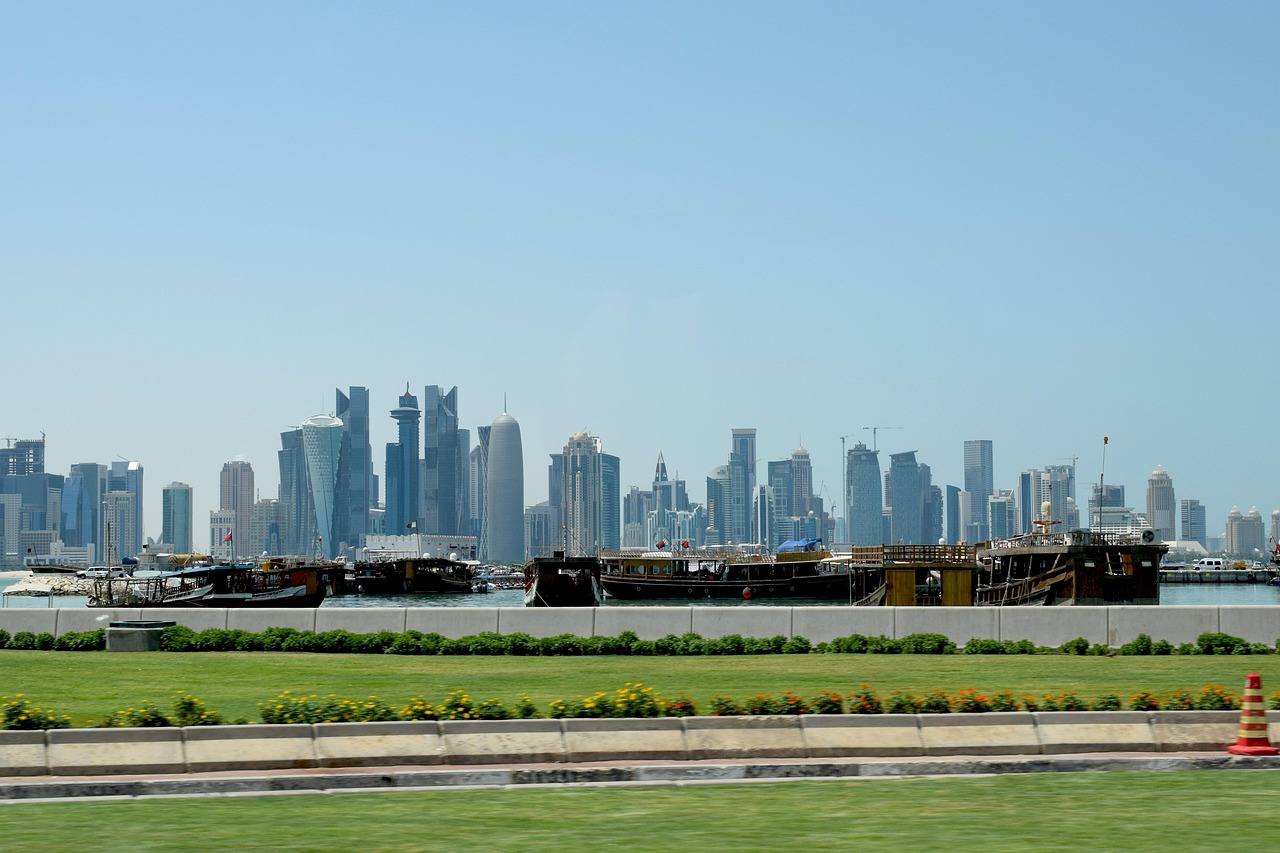

Why the Gulf matters for technology
The Gulf region has accelerated digital transformation in recent years. Large government-led programs, sovereign investment funds, smart-city projects, and rapidly growing consumer adoption of digital services have created fertile ground for tech-scale-ups and strategic corporate digitalization. Key verticals to watch include cloud & data, artificial intelligence, fintech and payments, e-commerce & logistics, cybersecurity, and energy-tech.
Technology leaders and rising stars to watch
Below are notable companies—established groups and promising regional tech players—worth tracking. They are active across product development, platform scale-up, deep tech, and digital infrastructure.
G42 (Group 42)
G42 is a large Abu Dhabi-based tech group focused on artificial intelligence, cloud computing, data centers, and genomics. It partners with governments and enterprises across the region to deploy AI-driven solutions for healthcare, smart cities and national security. Watch G42 for wins in sovereign cloud projects, AI products, and cross-border partnerships.
e& (formerly Etisalat Group)
e& is a major telecom operator that has repositioned itself as a digital services and technology investor. Beyond connectivity, e& is building cloud, managed services and fintech capabilities across the Gulf and wider MENA region. Monitor e& for large enterprise digital contracts and strategic investments.
stc Group (Saudi Telecom Company)
stc is a dominant regional telecom and digital platform provider. It has expanded into cloud services, digital payments (stc pay), and enterprise solutions, and is central to Saudi Arabia’s digital infrastructure expansion. stc’s role in 5G, national cloud and digital services makes it a company to watch.
Careem
Acquired by Uber but continuing as a regional brand, Careem evolved from ride-hailing to a broader super app offering deliveries, fintech features and B2B services. Its product expansion and regional reach make Careem an important indicator of consumer platform trends in the Gulf.
Noon
Noon is a homegrown e-commerce platform serving the Gulf and wider MENA markets. Noon’s investments in logistics, warehousing, and marketplace tech, along with strategic backing from regional investors, make it central to the region’s retail digitalization story.
talabat (Delivery Hero)
talabat is the leading food delivery platform across the GCC. As Delivery Hero’s regional arm, talabat’s logistics, marketplace operations and merchant tools reflect broader trends in hyper-local commerce and on-demand services.
Tabby
Tabby is a prominent BNPL provider in the GCC. With merchant partnerships across e-commerce and retail, Tabby is illustrative of fintech growth in payments and consumer credit. Watch for product expansion and regulatory developments affecting BNPL.
PayTabs
PayTabs provides payment processing and gateway services for merchants across the region. Payments infrastructure companies like PayTabs are critical enablers for e-commerce and digital services and are likely to expand as digital transactions rise.
DarkMatter
DarkMatter focuses on cybersecurity, secure communications and threat intelligence for governments and enterprises. As cyber threats grow and critical infrastructure protection becomes a priority, cybersecurity firms in the Gulf will play an increasing strategic role.
Magnitt
Magnitt operates the region’s most prominent platform for startup data, funding intelligence and market insights. For investors, founders and policymakers tracking the GCC startup ecosystem, Magnitt’s data and reports are an important resource.
Injazat (ADQ portfolio)
Injazat provides cloud services, managed IT and digital transformation support to public and private sector customers. With demand for sovereign cloud and secure data services rising, companies like Injazat are strategic partners for national IT modernization.
Saudi Aramco — Digital & Technology initiatives
While primarily an energy company, Saudi Aramco invests heavily in digitalization, advanced analytics, automation and R&D. Its technology initiatives—across industrial AI, energy transition and digital operations—have outsized influence on regional tech priorities and supply chains.
Other noteworthy names and enablers
- Ooredoo and Zain — regional telecoms investing in digital services and connectivity.
- STV, BECO Capital and other regional VCs — critical to funding the next generation of Gulf tech startups.
- Delivery & logistics innovators (e.g., Fetchr) — tackling last-mile complexity across the region.
- Smart-city & mega-project tech partners — companies participating in NEOM, Lusail, and other projects driving demand for urban tech, mobility and energy solutions.
How to follow these companies
- Company websites and official press releases for product announcements and partnerships.
- Regional business and tech media (e.g., The National, Gulf Business, Arab News, Bloomberg Middle East).
- Industry events and conferences such as GITEX & STEP Conference, which showcase new launches and partnerships.
- VC reports and market intelligence platforms (Magnitt, regional VC blogs) for funding trends.
What to watch next — key regional trends
- AI adoption across government and enterprise—data centers, sovereign cloud and AI platforms will be major investment areas.
- Fintech expansion—payments, BNPL and digital banking will continue to scale with regulatory frameworks maturing.
- E-commerce + logistics—investment in fulfillment and last-mile tech remains a priority as online consumption grows.
- Cybersecurity & sovereign infrastructure—demand for secure digital infrastructure and talent will rise in parallel with digital projects.
- Energy and industrial tech—companies that blend industrial know-how with digital solutions (IoT, predictive maintenance, low-carbon tech) will be important as the region pursues economic diversification and sustainability goals.
Final thoughts
The Gulf’s tech landscape blends large, well-capitalized incumbents and an increasingly sophisticated startup ecosystem. Watching the companies listed above provides insight into where capital, talent and government agendas are converging. For investors, partners and tech professionals, the next few years will be critical as adoption accelerates and the region seeks to become a global tech hub.