






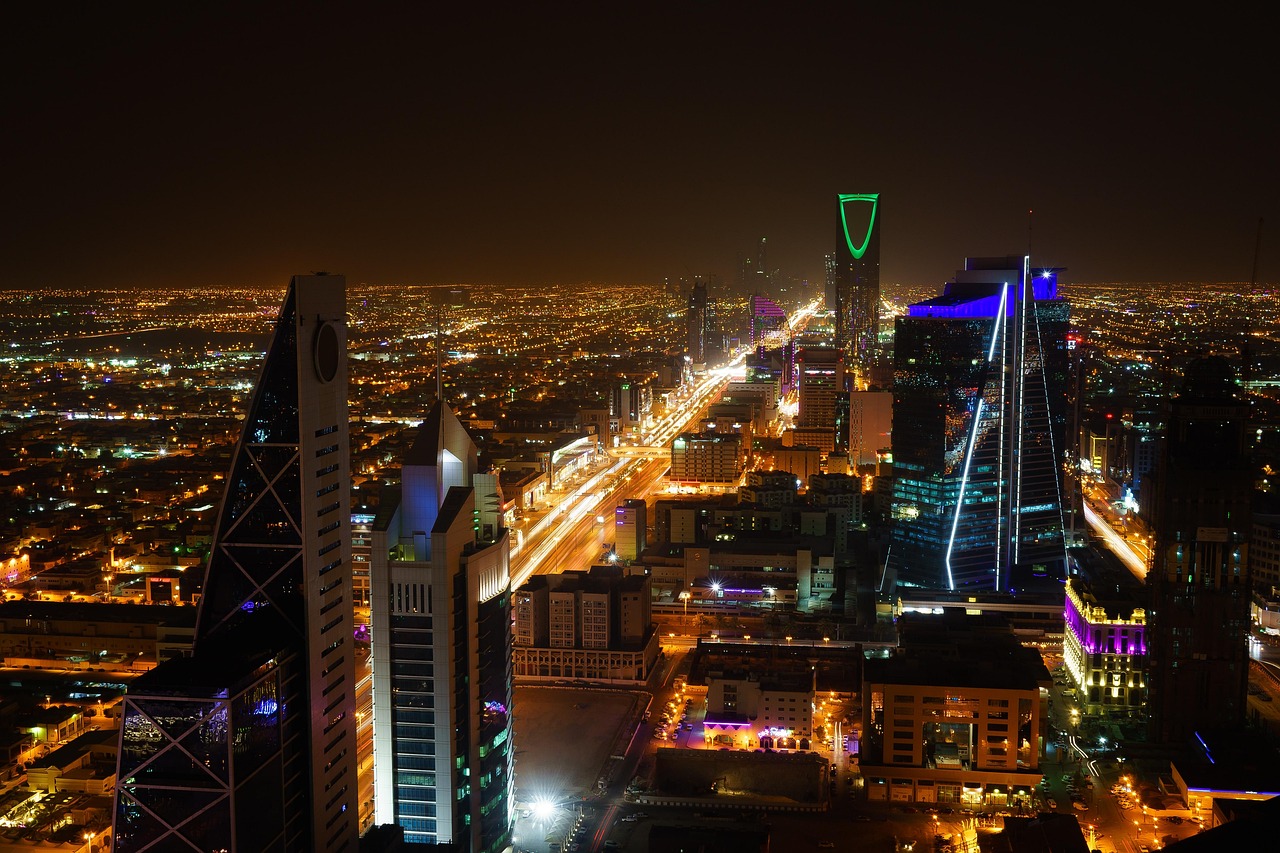

The Top 10 Tourist Destinations in Saudi Arabia 2026 highlight a country that has been opening up for international visitors while protecting deep religious traditions and spectacular natural landscapes. From rock-cut tombs in AlUla to coral reefs off Jeddah, Saudi Arabia now offers a range of experiences: archaeological sites, modern museums, dramatic deserts, and luxury Red Sea resorts. This guide gives practical, travel-focused advice on where to go, what to expect, and how to plan for 2026.
Below you’ll find a clear “quick answer” for search engines, a short table for fast comparisons, and detailed descriptions of each destination with traveler tips, mistakes to avoid, and realistic logistics. Check official sources for changing visa rules, project openings (NEOM, Red Sea Project), and seasonal travel restrictions before booking.
Quick Answer
The Top 10 Tourist Destinations in Saudi Arabia 2026 are AlUla (Hegra), Jeddah and the Red Sea coast, Riyadh, Diriyah (At‑Turaif), Madinah, the Farasan Islands/Red Sea islands, Abha and the Asir Highlands, Taif, the Empty Quarter (Rub’ al Khali), and the Tabuk/NEOM coast. These spots combine UNESCO archaeology, cultural heritage, mountain scenery, desert expeditions, and world-class diving and resort development.
Key Takeaways
- AlUla and Hegra are must-sees for archaeology and dramatic sandstone landscapes.
- Jeddah is the gateway to Red Sea diving and historic Al-Balad.
- Riyadh and Diriyah offer modern museums and Saudi history within short distance.
- Mountains (Abha, Taif) and the Empty Quarter provide cooler highland escapes and authentic desert adventure.
- Check visas, flight connections (King Abdulaziz JED, King Khalid RUH, Prince Mohammad bin Abdulaziz MED), local rules, and seasonal weather before travel.
Top 10 Tourist Destinations in Saudi Arabia 2026 — At a Glance
| Destination | Nearest Major Airport | Highlights | Best Time to Visit |
|---|---|---|---|
| AlUla (Hegra) | AlUla (ULH) / Tabuk (TUU) | Rock tombs, desert landscapes, guided archaeology tours | Oct–Mar |
| Jeddah & Red Sea | King Abdulaziz (JED) | Al-Balad, Corniche, diving, coral reefs | Nov–Mar (for diving year-round) |
| Riyadh | King Khalid (RUH) | Museums, Masmak Fort, Edge of the World day trips | Oct–Mar |
| Diriyah (At‑Turaif) | Riyadh (RUH) | UNESCO mudbrick town, cultural festivals | Oct–Mar |
| Madinah | Prince Mohammad bin Abdulaziz (MED) | Religious history, Prophet’s Mosque (Muslim visitors) | Oct–Mar |
| Farasan & Red Sea Islands | Jeddah (JED) / Jazan (GIZ) | Snorkeling, remote beaches, marine life | Oct–Apr |
| Abha & Asir Highlands | Abha (AHB) | Mountains, hiking, cable car, cooler climate | Mar–May, Sep–Nov |
| Taif | Taif (TIF) / Jeddah (JED) | Rose farms, cooler summer escapes, markets | Apr–Jun, Sep–Oct |
| Rub’ al Khali (Empty Quarter) | Al-Ahsa/Regional airports | Sand dunes, desert camping, 4×4 expeditions | Oct–Mar |
| Tabuk Coast & NEOM projects | Tabuk/Neom (future airports) | Luxury Red Sea resorts, diving, desert-coast scenery | Oct–Apr |
1. AlUla (Hegra) — Ancient Tombs and Lunar Landscapes
AlUla is Saudi Arabia’s premier archaeological destination, home to Hegra (Mada’in Saleh), Saudi Arabia’s first UNESCO World Heritage site. Towering sandstone formations, rock-cut Nabatean tombs, and curated visitor trails make it easy to experience heritage without advanced expedition skills.
Book guided tours for Hegra and evening cultural events. Accommodation ranges from boutique desert lodges to newer hotels in AlUla town; availability fills quickly during festival seasons, so plan ahead.
2. Jeddah and the Red Sea — Culture, Corniche, and Coral
Jeddah blends historic Al-Balad with a lively Corniche, public art, and a thriving food scene. The nearby Red Sea offers some of the best coral reefs in the world, accessible for divers and snorkelers from Jeddah, Yanbu, and the Farasan Islands.
If you dive, verify local operators’ safety standards and check if your certification level matches the recommended sites. For non-divers, glass-bottom boat trips and snorkel excursions provide easy access to reefs.
3. Riyadh — History, Museums, and Edge of the World
Riyadh is a compact mix of modern skyscrapers and historical sites. Visit the National Museum for context on Saudi history and Masmak Fortress in the old city. The Edge of the World, a dramatic escarpment outside Riyadh, makes a memorable day trip for sunset.
Rent a car or join a reputable tour operator for the Edge of the World; roads are fine but desert navigation demands experience and water supplies.
4. Diriyah (At‑Turaif) — Saudi Heritage at the Doorstep of Riyadh
Just outside Riyadh, Diriyah’s mudbrick At‑Turaif district is undergoing careful restoration as a cultural hub. Expect museums, reconstructed historic houses, and cultural programming that give insight into the Saudi kingdom’s origins.
Combine a Diriyah visit with a day in Riyadh to see historic and contemporary Saudi life in one itinerary.
5. Madinah — Religious History and Quiet Reflection
Madinah is a sacred city with deep historical significance in Islam. Many travelers visit for pilgrimage and historic sites. Non-Muslims should check access rules—entry to the Prophet’s Mosque area and certain parts of Madinah is restricted to Muslims.
Plan visits around prayer times and dress modestly. For non-religious history, guided tours explain the city’s role in early Islamic history without entering restricted zones.
6. Farasan Islands and the Red Sea Islands — Remote Marine Life
The southern Red Sea islands, including the Farasan archipelago, are renowned for clear water, healthy coral, and remote beaches. These islands are ideal for immersive snorkeling, birdwatching, and small-boat cruising.
Facilities are more basic than mainland resorts, so bring essentials and book local ferries or charters in advance. Respect protected marine areas and local fishing communities.
7. Abha & The Asir Highlands — Cool Mountains and Local Culture
Abha offers a striking contrast to Saudi lowlands: terraced farms, foggy peaks, and a strong local culture with traditional markets. The Asir cable car and hilltop viewpoints provide dramatic panoramas, and summer temperatures are pleasantly mild.
Hiking trails range from easy walks to multi-day routes; hire local guides for off-track hiking and to learn about local crafts and cuisine.
8. Taif — Roses, Markets, and Cooler Summers
Taif’s rose farms and summer climate have made it a historic leisure destination for Saudis. Visit during the rose harvest for fragrant markets, boutique rose products, and orchards that produce local dates and pomegranates.
Taif is an easy escape from Riyadh or Jeddah and works well as a short break in a broader itinerary.
9. Rub’ al Khali (Empty Quarter) — Vast Sands and Starry Nights
For serious desert travelers, the Empty Quarter offers massive dunes and silence on an epic scale. Multi-day 4×4 expeditions and desert camps require experienced operators, reliable vehicles, and careful planning for water, fuel, and navigation.
Group tours are recommended unless you have desert survival and navigation skills. Night skies here are exceptional for astrophotography and solitude.
10. Tabuk Coast, NEOM and The Red Sea Projects — Luxury and New Shorelines
The Tabuk coast and planned developments such as NEOM, Amaala, and The Red Sea Project aim to create international-standard resorts and marine preserves. In 2026, some areas will be open to visitors while others remain in development—check which islands and resorts are accepting guests.
These projects promise high-end diving, wellness resorts, and sustainable tourism initiatives; book through official channels to confirm access and services.
Common Mistakes to Avoid
- Assuming all areas are open: large projects and some protected sites have phased openings—verify before you travel.
- Underestimating distances: distances between attractions can be long—factor internal flights or long drives into your itinerary.
- Ignoring local customs: dress modestly in public, respect prayer times and gender-segregated facilities where they apply.
- Skipping travel insurance: desert travel and diving have risks—get comprehensive coverage that includes activities you plan to do.
Best Tips for Planning Your Trip
- Check visa and entry requirements on official government sites—rules have changed in recent years and can vary by nationality.
- Fly into major hubs (Riyadh RUH, Jeddah JED, Medina MED) and use regional carriers (Saudia, flynas) or domestic connections for remote destinations.
- Book guided tours for archaeology sites (AlUla/Hegra), desert safaris, and specialized activities like deep diving—local guides offer safety and context.
- Pack layers: coastal heat differs from highland coolness and desert nights can be cold.
- Reserve accommodations early for festival dates, national holidays, and airline-limited regional routes.
Is it worth it? Who is this best for?
Yes — Saudi Arabia in 2026 offers unique cultural and natural attractions that are different from any other country. It’s especially rewarding for travelers interested in archaeology, desert landscapes, Red Sea diving, and cultural heritage.
This is best for curious travelers comfortable adapting to local norms, adventure seekers who enjoy desert and mountain activities, and cultural travelers who appreciate museum-based context. Visitors seeking nightlife or conventional resort scenes will find more limited options than in long-established beach destinations, although luxury Red Sea projects are expanding options.
Conclusion
The Top 10 Tourist Destinations in Saudi Arabia 2026 provide a compact but diverse tourism roster: ancient tombs, modern museums, dramatic deserts, and world-class coral reefs. Careful planning—checking visas, seasonal weather, and project openings—will let you turn these highlights into a safe, memorable trip. Whether you’re exploring rock-cut history in AlUla, diving the Red Sea near Jeddah, or camping under the stars in the Empty Quarter, Saudi Arabia now rewards travelers with experiences that are both distinctive and increasingly accessible.
Frequently Asked Questions
Do I need a visa to visit Saudi Arabia in 2026?
Answer: Many nationalities can apply for an e-visa or visa on arrival, but rules vary. Check the official Saudi e-visa portal or your embassy for the most current entry requirements, as visa policies and eligibility groups can change.
Can non-Muslims visit Mecca and Madinah?
Answer: Non-Muslims are not permitted to enter the holy precinct of Mecca; access to certain areas of Madinah is also restricted. Visitors should verify boundaries and signage and plan cultural visits accordingly.
What is the best time to visit Saudi Arabia?
Answer: Generally October to March is most comfortable for inland and desert sightseeing; the highlands and coast can be visited outside this window, but summers can be very hot. Seasonal timing also affects availability for festivals and diving conditions, so plan based on activities.
Is Saudi Arabia safe for tourists?
Answer: Many visitors find Saudi Arabia safe and welcoming when following local laws and customs. Check your government travel advisories, register with your embassy if recommended, and use reputable operators for remote excursions.
How do I get around between destinations?
Answer: Major cities are connected by domestic flights and highways; renting a car is common for flexibility, while guided tours simplify logistics for sites like the Empty Quarter or AlUla. For coastal island access, ferries and charters are typical.
Are there good diving opportunities in Saudi Arabia?
Answer: Yes — the Red Sea coastline offers outstanding coral reefs and diverse marine life, with world-class sites near Jeddah, Yanbu, Farasan Islands, and the Tabuk coast. Verify operator qualifications and dive conditions before booking.
Can women travel alone in Saudi Arabia?
Answer: Women can travel independently in Saudi Arabia, but it helps to be familiar with local norms on dress and behavior. Solo female travelers often join organized tours or stay in well-reviewed hotels, and many find the experience manageable with basic cultural awareness.