






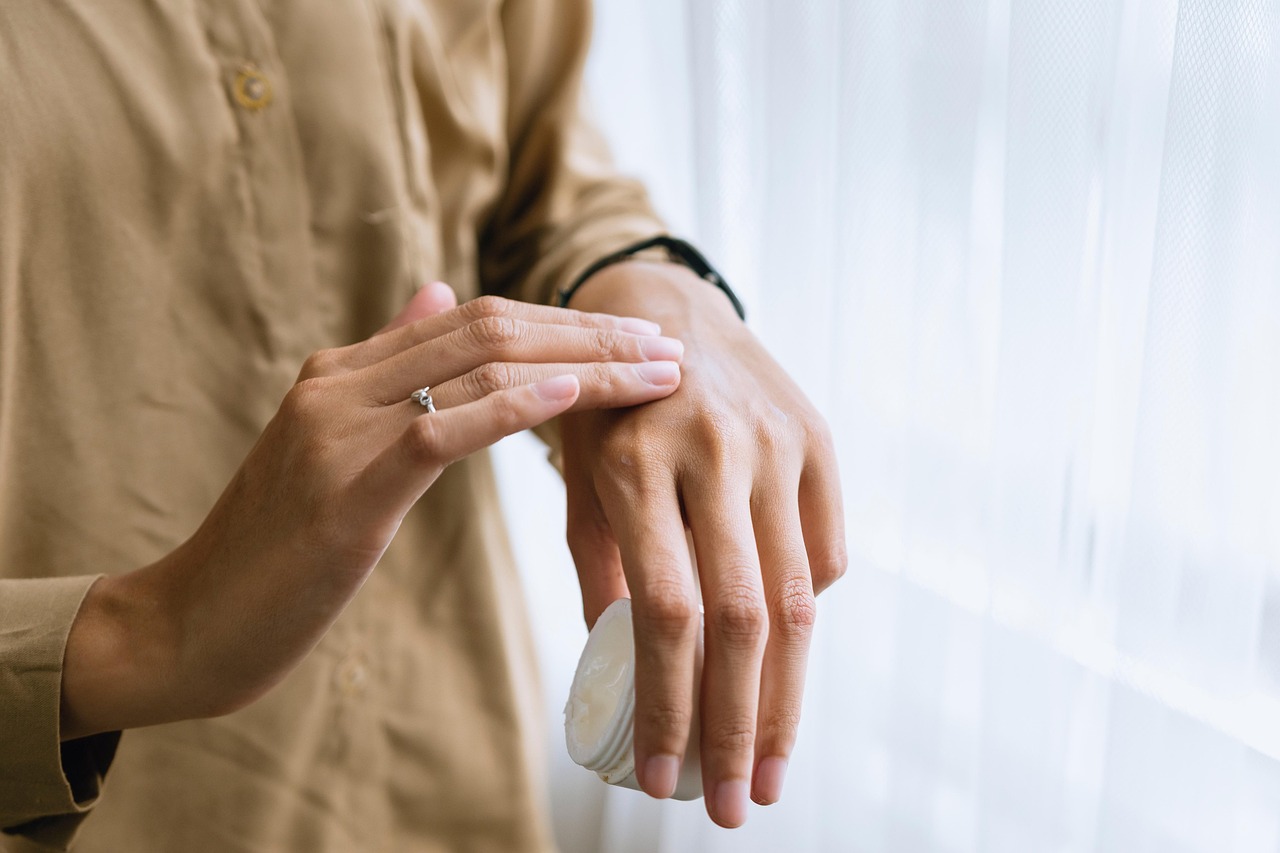

Hot weather changes everything about skincare: heat, humidity, sun exposure and sweat mean the Best Skincare Routine for Men and Women in Hot Weather must be lighter, faster, and focused on sun protection and hydration. A good routine minimizes shine, prevents clogged pores, keeps sunscreen intact, and soothes sun-stressed skin after long days on sandy beaches or city streets.
This guide gives practical morning and evening steps, travel-friendly product choices, and clear tips for climates from Miami and Dubai to Bali and Cancun. Whether you’re packing for a tropical holiday, a business trip to Bangkok, or a weekend in Barcelona, this routine helps you protect skin, avoid breakouts, and feel comfortable in high heat and humidity.
Quick Answer
The Best Skincare Routine for Men and Women in Hot Weather: a gentle cleanse, lightweight antioxidant serum, broad-spectrum SPF applied generously and re-applied frequently, oil-free moisturizer or gel, and evening cleansing with targeted after-sun care. Prioritize non-comedogenic formulas, water-based hydration, and travel-sized sun protection for on-the-go reapplication.
Key Takeaways
- Use a lightweight, non-comedogenic morning routine with SPF 30+ every day.
- Focus on gentle cleansing and oil control without over-stripping the skin.
- Reapply sunscreen every two hours when outdoors and after swimming or sweating.
- Carry travel-sized essentials and choose water-resistant products for humid climates.
- Evening care should remove sunscreen and sweat, replenish moisture, and treat sun damage.
Why hot weather needs a different approach
Heat and humidity increase sweat and oil production, which can lead to clogged pores and “maskne” if you wear a face covering or helmet. Sun intensity is higher in many popular travel destinations—think Honolulu, Cancun, or Dubai—so UV protection is the priority. Heavy creams and thick sunscreen formulas can feel suffocating; replace them with lightweight gels, fluids, and oil-free options that protect without clogging pores.
Morning Routine: Simple, fast, protective
1. Gentle cleanse
Start with a mild foaming or gel cleanser that removes overnight oils and sweat without stripping. For travel, a small pump bottle or cleanser sachets are convenient and airline-friendly.
2. Antioxidant serum (optional)
A vitamin C or niacinamide serum gives daytime protection against pollution and UV-related oxidative stress. Use a light formulation—creams add weight in hot weather.
3. Lightweight moisturizer or hydrating gel
Choose a water-based moisturizer with humectants (hyaluronic acid, glycerin) to pull moisture into the skin. For oily or acne-prone skin, a mattifying gel or oil-free lotion prevents shine while keeping skin hydrated.
4. Broad-spectrum sunscreen—your non-negotiable step
Apply a broad-spectrum SPF 30 or higher. For hot weather, pick mineral or chemical sunscreens labeled non-comedogenic and water-resistant. Apply to face, neck, ears, and exposed chest; reapply every two hours when outdoors. Pack travel-sized sunscreen in your day bag for easy top-ups at airports like LAX or Heathrow before boarding a flight to a sunny destination.
Evening Routine: Repair and recharge
1. Double-cleanse if you wore sunscreen
Start with an oil-based cleanser or micellar water to dissolve sunscreen and sunscreen-based makeup, followed by a gentle foaming cleanser to remove sweat and grime. This prevents pore congestion after a hot day exploring markets in Marrakech or walking along Sydney beaches.
2. Targeted treatments
Use retinoids, exfoliating acids (AHA/BHA), or calming serums at night, not in the morning—they increase sun sensitivity. If you spend most of the day outdoors, use lower concentrations or alternate nights to avoid irritation.
3. Hydrating night cream or light oil
Finish with a replenishing night gel or a light facial oil if your skin is dry. Aloe or ceramide-rich products help soothe sun-exposed skin.
Routine Adjustments for Different Skin Types
Oily or acne-prone skin
- Use gel cleansers, lightweight water-based moisturizers, and oil-free SPF.
- Incorporate salicylic acid 2–3 times a week to prevent breakouts, but avoid over-exfoliating.
Dry or sensitive skin
- Choose gentle, hydrating cleansers and barrier-repair moisturizers with ceramides.
- Avoid alcohol-heavy toners and frequent use of strong acids in hot, sunny weather.
Combination skin
- Balance oil-control on the T-zone with hydrating serums on drier cheeks.
- Consider blotting papers and a lightweight sunscreen to manage shine without adding layers.
Products and Texture Guide for Hot Climates
- Gels and water-based lotions: ideal for humidity.
- Gel cleansers and micellar waters: remove sweat and sunscreen without irritation.
- Mineral (zinc oxide/titanium dioxide) and broad-spectrum chemical sunscreens: choose based on skin sensitivity and texture preference.
- Non-comedogenic labels: helpful for preventing clogged pores in hot weather.
Common Mistakes to Avoid
- Skipping sunscreen because heat makes you sweat—it’s still necessary and must be reapplied.
- Over-washing: stripping oils triggers more sebum production.
- Using heavy creams that trap sweat—opt for gels or light lotions instead.
- Neglecting lips and scalp—use SPF lip balm and consider scalp protection if you have thinning hair.
Practical Travel Tips: Packing and On-the-Go Care
- Pack travel-sized bottles of cleanser, moisturizer, and sunscreen in your carry-on to reapply before landing in sunny destinations.
- Bring blotting papers and a small tube of mattifying gel for sticky, humid days in cities like Bangkok or Rio de Janeiro.
- Keep hydrating face mists for long flights—airplane cabins are dry and can dehydrate skin.
- Store sunscreen and skincare in a shaded part of your suitcase to prevent heat degradation, especially when traveling in tropical climates.
- Check local pharmacies or hotel spas at destinations (e.g., Phuket resorts or Los Cabos hotels) for forgotten items rather than buying unfamiliar high-street products.
Best Tips for Planning Your Trip
Before booking, check the seasonal weather and UV index for your destination—high UV index demands stronger sun protection. If you’re traveling to beach destinations like Cancun, Bali, or Maui, plan to bring or purchase reef-safe sunscreens. Book accommodations with air conditioning or blackout curtains if heat interferes with sleep and skin recovery. Consider travel insurance that covers health issues like severe sunburn or heat-related illness, and always verify visa and entry requirements with official government sites before departure.
Is this routine worth it? Who is this best for?
Yes—this routine is worth adopting for anyone spending time in hot climates. It’s especially beneficial for travelers, outdoor workers, athletes, and people prone to breakouts or sun sensitivity. The emphasis on lightweight hydration and sunscreen protects skin health, reduces breakouts, and keeps you comfortable in humid destinations from Miami to Marrakech.
Quick Routine Table
| Time | Step | Why it matters |
|---|---|---|
| Morning | Gentle cleanse → Antioxidant serum → Lightweight moisturizer → SPF 30+ | Removes sweat, protects from sun and pollution, keeps skin hydrated without weight |
| Evening | Double-cleanse → Targeted treatments → Hydrating night product | Removes sunscreen and grime, repairs sun damage, restores moisture |
Conclusion
The Best Skincare Routine for Men and Women in Hot Weather prioritizes sun protection, lightweight hydration, and gentle cleansing. Adjust textures and actives based on your skin type, pack smartly for travel, and reapply sunscreen frequently. With these practical steps you’ll limit sun damage, prevent heat-related breakouts, and keep skin comfortable whether you’re exploring city streets, relaxing at a hotel pool, or hiking in a hot climate.
Frequently Asked Questions
How often should I reapply sunscreen in hot weather?
Reapply sunscreen every two hours when outdoors, and immediately after swimming or heavy sweating. Even water-resistant formulas lose effectiveness with prolonged sun exposure and activity.
Can I skip moisturizer if my skin is oily in humid climates?
No—skip heavy creams but not hydration. Use a lightweight, water-based moisturizer or hydrating gel to maintain the skin barrier and prevent rebound oiliness.
Is mineral or chemical sunscreen better for hot weather?
Both work; choose based on skin sensitivity and texture preference. Mineral sunscreens are less irritating for sensitive skin, while chemical sunscreens often feel lighter and blend more easily under makeup.
What should I do if I get sunburned while traveling?
Cool the skin with water, apply aloe or soothing gels, stay hydrated, and avoid further sun exposure. Seek medical attention for severe burns, blistering, fever, or signs of infection.
Which ingredients should I avoid in hot climates?
Avoid heavy oils, thick occlusive creams, and unnecessary fragrances that can clog pores and irritate skin in heat and humidity. Also limit strong exfoliants during intense sun exposure.
How can men simplify skincare while traveling to hot destinations?
Keep the routine minimal: gentle cleanser, lightweight moisturizer with SPF or a separate sunscreen, and a hydrating night product. Multi-use products (e.g., moisturizer + SPF) reduce packing but remember sunscreen reapplication.
Will face masks or helmets cause breakouts in hot weather?
Yes, prolonged mask or helmet use can trap sweat and bacteria, causing breakouts. Cleanse daily, use breathable materials, and apply a light, non-comedogenic barrier cream if irritation occurs.
Can I use after-sun lotions instead of moisturizer?
After-sun lotions are fine for soothing sun-exposed skin for a few days, but choose one that hydrates and repairs the skin barrier. If your skin isn’t sunburned, a regular lightweight moisturizer may suffice.