




Muscat Plan launched at United Nations to counter hate speech
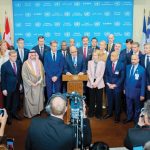
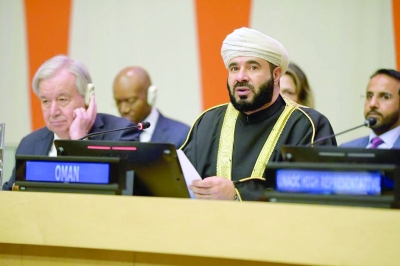
New York — Oman unveiled the Muscat Plan today at United Nations Headquarters in New York, introducing a framework that empowers traditional religious leaders and indigenous peoples to mediate and confront hate speech. The launch drew senior UN participation and representatives from member states, signaling a coordinated effort to prevent mass atrocities and strengthen community resilience.
The event, hosted under the auspices of UN Secretary-General António Guterres, brought together the UN Alliance of Civilizations, the Office on Genocide Prevention and the Responsibility to Protect, member states, and networks of religious and traditional peacemakers. Officials said the plan emphasizes mediation as a practical tool for building trust and reducing identity-based violence.
Why the plan targets hate speech and social cohesion
According to the ministry that coordinated the initiative, the Muscat Plan stems from the view that human diversity is a resource rather than a cause of conflict. The plan frames hate speech as an early warning indicator of potential atrocities and calls for preventive measures that reinforce social cohesion and public trust.
United Nations officials have described hate speech as a growing international threat that accelerates polarisation and dehumanization, creating conditions that can lead to mass violence. Therefore, the plan sets out to address the root drivers of division by investing in community-level dialogue and shared civic values.
How traditional and religious leaders will be mobilized
Dr. Mohammed bin Saeed Al Maamari, Oman’s Minister of Awqaf and Religious Affairs, said the plan builds on Oman’s experience in coexistence and dialogue. He noted that religious and traditional authorities possess deep community reach and knowledge, which can be channelled into preventive mediation and grassroots peacebuilding.
Framework elements include training for leaders in conflict-sensitive mediation, guidance on identifying and countering online and offline hate speech, and platforms for intercommunal dialogue. Meanwhile, the United Nations committed to supporting capacity-building and coordination with member states and technology stakeholders.
Mediation as a tool for preventing genocide and mass atrocities
The Muscat Plan positions mediation at the center of atrocity prevention strategies, linking community-level interventions with broader UN prevention mechanisms. The Office on Genocide Prevention indicates that early, locally led mediation can help defuse tensions before they escalate into violence.
Guterres warned during the launch that hate speech is often an intentional component of plans to commit mass atrocities, and he urged stronger regulatory and educational responses. The Muscat Plan proposes integrating traditional leaders into multi-layered prevention systems to close gaps between communities and formal institutions.
Practical measures and partnerships outlined in the plan
The plan outlines tangible actions, including community mediation centers, training modules for leaders, and partnerships with civil society and technology companies to curb the spread of incitement online. Additionally, it recommends monitoring mechanisms to assess hate speech trends and prompt early responses.
Officials highlighted collaboration with the UN Alliance of Civilizations to promote shared ethical frameworks and with regional partners to adapt the model to different cultural contexts. Furthermore, the plan calls on governments to enhance legal and policy measures that protect vulnerable groups and support independent media.
Implications for international peacebuilding and local resilience
Experts say the Muscat Plan could influence how the international community integrates traditional authority into formal prevention systems. By prioritizing social cohesion, the initiative seeks to reduce the conditions that enable extremist narratives and communal violence to take hold.
However, the plan’s success depends on sustained funding, political will, and meaningful inclusion of indigenous peoples and local leaders. Observers also note the need for careful safeguards to ensure mediation efforts respect human rights and do not reinforce unequal power relations.
Addressing digital amplification and accountability
One practical challenge is the rapid spread of hate speech on unregulated digital platforms. The plan advocates for stricter accountability from technology companies and educational efforts to build digital literacy. UN officials said combining offline mediation with online countermeasures can help disrupt cycles of incitement.
Next steps and what to watch
The Muscat Plan sets a timetable for pilot programs and the development of training curricula in collaboration with UN entities and civil society. Readers should watch for announcements of pilot sites, funding commitments, and formal partnerships with technology firms over the coming months.
Policymakers will also assess indicators of success, such as reductions in reported hate incidents, improvements in intercommunal trust metrics, and the integration of traditional leaders into national prevention frameworks. If these indicators advance, the plan may be scaled regionally.
In conclusion, the Muscat Plan represents an effort to move from crisis response to prevention by harnessing local leadership and mediation. Observers will monitor implementation closely to determine whether the initiative can reduce hate speech, strengthen social cohesion, and contribute to the prevention of genocide and mass atrocities worldwide.