



Prime Minister’s Prize for Journalism: Ministry Releases Guide
The Ministry of Information has released an official guide for the Prime Minister’s Prize for Journalism, outlining eligibility, categories and submission criteria for the award’s tenth cycle. The announcement, made recently by ministry officials, positions the prize as a national recognition aimed at honoring journalistic excellence across Bahrain. The guide is intended for working journalists, media outlets and university students nationwide.
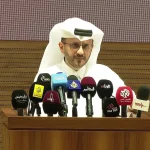
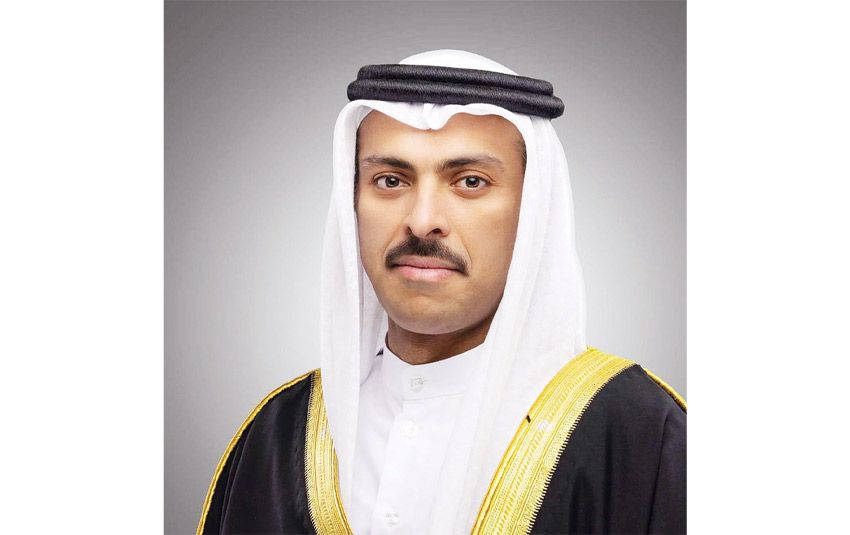
Dr. Ramzan Al Nuaimi, Minister of Information, said the Prime Minister’s Prize for Journalism in its tenth edition represents a notable milestone in Bahrain’s press history and reflects the broader national vision to strengthen professional, objective and transparent journalism. The ministry stated that the award is conducted under the patronage of His Royal Highness Crown Prince Salman bin Hamad Al Khalifa, Prime Minister.
Award Categories, Eligibility and Submission
The guide specifies that the Prime Minister’s Prize for Journalism comprises ten award categories and is open to Bahraini newspapers, magazines, qualified journalists employed by local outlets, and journalism and media students at Bahraini universities. According to the ministry, entries must comply with the conditions and submission deadlines set out in the guide, which also details evaluation criteria and judging procedures.
Eligible entrants include staff of local print and digital publications as well as student teams and individual projects from university departments of journalism and media. Furthermore, media institutions can submit entries on behalf of their reporters. The guide emphasizes adherence to professional standards and ethical practice, as the selection process aims to reward work that demonstrates accuracy, public service and journalistic integrity.
List of Official Categories
The ten approved categories named in the guide are: Best Opinion Column, Best Investigative Report, Best Interview, Best Press Photo, Best Specialized Page or Supplement, Best Video News Content, Best Infographic, Best Website or Institutional Social Media Account, Best Student Journalism Project, and the Journalistic Personality of the Year Award. The ministry indicated that each category carries specific submission formats and judging rubrics detailed in the guide.
How the Prize Supports Bahrain’s Media Development
The ministry framed the Prime Minister’s Prize for Journalism as part of a broader effort to elevate the role of responsible media as a partner in Bahrain’s development agenda. Officials said the award aligns with the national leadership’s priorities to promote professionalism, transparency and objectivity in reporting. Therefore, the prize is presented not merely as recognition but as a mechanism to encourage higher standards across newsrooms and journalism education.
Observers note that Bahrain media awards such as this one can influence newsroom practices by spotlighting investigative work, quality visual storytelling and digital innovation. Additionally, the inclusion of student categories aims to bridge academic training and professional practice, fostering a pipeline of talent familiar with contemporary standards in multimedia reporting and data visualization.
Judging, Transparency and Institutional Backing
The guide outlines a judging framework intended to ensure fairness and impartiality, according to the ministry. Evaluation criteria focus on originality, public interest, accuracy, ethical conduct and technical quality in the case of visual and digital submissions. Moreover, the award is conducted under the direct patronage of Crown Prince Salman bin Hamad Al Khalifa, Prime Minister, signaling high-level institutional support for journalism awards in Bahrain.
Officials said the patronage underscores the state’s recognition of media contributions to national development and public discourse. Meanwhile, the ministry highlighted that the award seeks to reward professionals who convey factual accounts responsibly and contribute constructively to national conversations. The guide reportedly includes processes for nomination, jury selection and appeals, though specific timelines and procedural details are provided in the official document.
Implications for Journalists and Media Outlets
Winning the Prime Minister’s Prize for Journalism can confer professional prestige and institutional visibility for journalists and their organizations. For newsrooms, recognition in categories such as investigative reporting or digital innovation may translate into stronger audience trust and institutional credibility. Furthermore, the student award category offers universities and emerging journalists an opportunity to demonstrate applied skills in a competitive national setting.
Local media executives and journalism educators will likely monitor submission deadlines and judging announcements closely. Additionally, the prize may encourage outlets to invest further in investigative capacity, multimedia production and data-driven journalism, areas that the guide appears to prioritize through its category structure and judging emphasis.
What to Watch Next
Readers should consult the Ministry of Information’s official guide for precise submission deadlines, technical specifications and juror information. The guide indicates the submission window and the timeline for judging and awards ceremonies, though exact dates are listed in the official document. Journalists, media institutions and student teams interested in applying are advised to review the criteria carefully and prepare entries that demonstrate adherence to ethical and technical standards.
In the weeks ahead, stakeholders will be watching for the opening of the submission portal, the announcement of the jury panel and the timeline for public events related to the award. The Prime Minister’s Prize for Journalism is expected to continue shaping Bahrain’s journalism ecosystem by highlighting exemplary reporting and promoting professional development across the sector.