






Busy schedules and long flights don’t have to derail a healthy routine when you’re living in or visiting Gulf countries. The Best Healthy Lifestyle Tips for Busy People in Gulf Countries focus on practical habits that fit local climate, culture, and schedules—simple swaps, time-efficient workouts, and food choices you can find at airports like DXB or DOH and in cities from Dubai to Muscat. With a little planning, you can protect energy, hydration, and sleep while still enjoying Gulf food, beaches, and desert adventures.
This guide gives compact, actionable advice you can use before departure, during transit, and while on the ground in the UAE, Saudi Arabia, Qatar, Kuwait, Bahrain, and Oman. It covers how to handle heat, adapt to prayer and business hours, choose healthier meals at hotels and airlines, and maintain fitness when time is tight.
Quick Answer
The Best Healthy Lifestyle Tips for Busy People in Gulf Countries are: prioritize hydration and electrolyte balance, schedule short morning or evening workouts, choose protein- and fiber-rich local foods, protect sleep from heat and noise, and plan travel days around rest and light activity. Use meal prep, portable snacks, and local resources like hotel gyms and early-morning beaches to stay consistent.
Key Takeaways
- Hydrate proactively—carry a reusable bottle and use electrolyte mixes.
- Use 20–30 minute high-intensity or mobility sessions if time is limited.
- Opt for grilled fish, salads, mezze, dates, and nuts instead of fried foods.
- Adapt routines to local daylight and prayer times, especially during Ramadan.
- Plan flights and hotel stays with sleep quality and recovery in mind.
Why these tips work in Gulf countries
High temperatures, a strong café and restaurant culture, and business-driven travel patterns shape daily life across the Gulf. Practical, time-efficient healthy habits respect those realities—short workouts, cooling strategies, and food choices that match regional cuisine.
Hydration and Heat Management
Hydrate before you feel thirsty
Heat and dry air increase fluid loss without obvious thirst. Start the day with 300–500ml of water, sip regularly, and use electrolyte powders during long meetings or outdoor activities. Look for drinks low in added sugar.
How to stay cool while staying active
Exercise early morning or after sunset to avoid peak heat. If outdoor running isn’t possible, swap for hotel-stair repeats, bodyweight circuits in your room, or pool laps. Lightweight, breathable clothing and a cooling towel make short workouts comfortable.
Food and Eating Habits for Busy Schedules
Smart choices at restaurants and airport lounges
Local cuisine has many healthy options: grilled fish, chicken skewers, tabbouleh, hummus, labneh, and fresh salads. Avoid heavy cream-based dishes and fried street food when pressed for time. At airport lounges, prioritize protein, vegetables, and whole-grain bread over pastries.
Portable snacks and meal prep
Pack nuts, dates, plain yoghurt cups, and whole-fruit. Many grocery chains and hotel minibars in Dubai, Doha, Riyadh, and Muscat carry Greek yoghurt, mixed nuts, and pre-cut fruit—convenient for meetings or flights. Use hotel kettles or microwaves for simple meals like oatmeal and steamed vegetables.
Short, Effective Workouts for Busy Days
20–30 minute routines that deliver results
High-intensity interval training (HIIT), Tabata, or circuit sessions can preserve strength and cardiovascular health in 20–30 minutes. Focus on compound movements—push-ups, squats, lunges, planks—and add mobility work to counter long sitting periods on flights or in meetings.
Use local resources
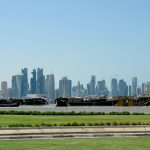
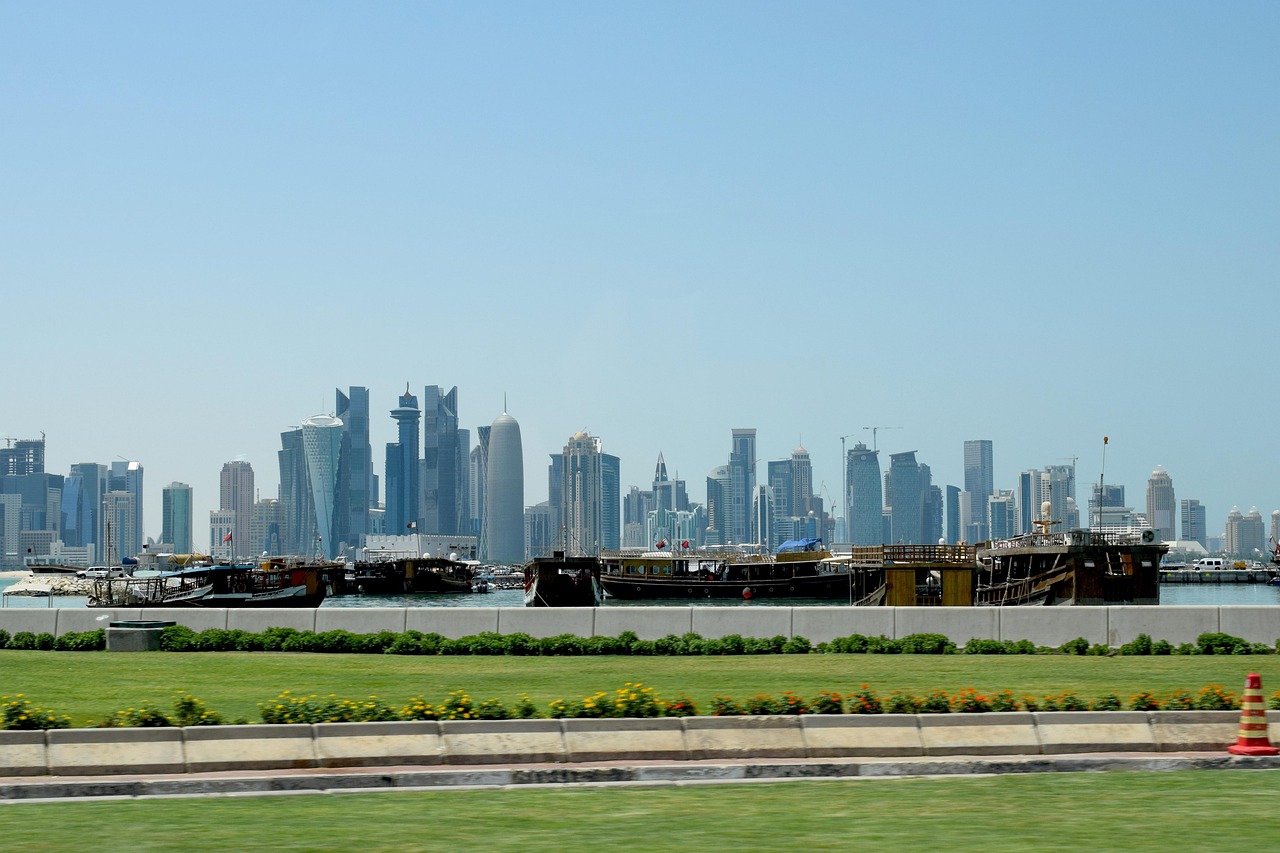
Hotel gyms, running routes along Dubai Marina or Doha Corniche, and public parks in Muscat or Kuwait City offer simple ways to stay active. Many hotels offer early-morning fitness classes—check schedules and book a session to anchor a healthy day.
Sleep, Recovery, and Managing Jet Lag
Prioritize sleep quality, not just quantity
Choose well-reviewed hotels close to business districts or attractions to cut commute time. Use earplugs, blackout shades, and a travel pillow to improve sleep on flights and in noisy urban centers. Limit caffeine after midday to protect evening rest.
Handle jet lag strategically
Shift sleep and light exposure gradually if you can. Arrive with a flexible first day planned: light activity, a short nap if needed, and an evening outside to reset circadian rhythm. If traveling across Ramadan or local holidays, expect schedules to change—plan accordingly.
Cultural and Practical Considerations in Gulf Countries
Respect daily rhythms and local norms
Business hours and dining rhythms vary—some cities slow during the hottest part of the day, while others host late-night social life. Adjust meal and exercise timing to respect prayer times and avoid public discomfort during Ramadan; many fitness centers offer modified hours.
Safety, water, and healthcare
Health services in major Gulf cities are high-quality but vary by location; travel insurance is recommended. Tap water quality varies—many travelers rely on bottled or filtered water, and most hotels provide safe drinking water. Check local health advice and hospital locations if you have a chronic condition.
Common Mistakes Busy People Make and How to Avoid Them
- Skipping meals and overeating later—plan snacks and balanced meals to keep energy stable.
- Ignoring heat—schedule activity for cooler hours and monitor hydration.
- Relying on takeaways—select grilled, baked, or salad options; ask for sauces on the side.
- Neglecting sleep—book hotels with good reviews for quiet rooms and proximity to your meetings.
Best Tips for Planning Your Trip
Book flights that let you arrive with at least one full day before major meetings to recover. Choose hotels near public transport, parks, or the Corniche to make daily walks practical. Pack a small fitness kit—resistance bands, a jump rope, or a workout app subscription—so you can exercise in a hotel room. Check airline meal options and request special meals if you have dietary needs.
Before you depart, confirm visa rules, local holidays, and vaccination recommendations on official government sites. Purchase travel insurance that covers medical care and emergency evacuation if you’ll be active outdoors or traveling between Gulf states.
Who Is This Best For?
This advice is best for busy business travelers, frequent flyers, and residents who juggle work and family in the Gulf region. It also suits cruise passengers and digital nomads who need compact, reliable wellness routines that work around heat, late-night social life, and variable schedules.
Is It Worth It?
Yes. Small, consistent changes—hydrating better, choosing grilled foods, and doing short workouts—pay off quickly in energy and focus. Staying healthy on the road reduces sick days, improves productivity in meetings, and makes leisure time in the Gulf more enjoyable.
Conclusion
Adopting the Best Healthy Lifestyle Tips for Busy People in Gulf Countries is practical and realistic. Focus on hydration, short workouts, smart food choices, and sleep quality. Use local resources—hotel gyms, morning beach runs, and nutritious mezze—to maintain balance. With planning and a few habit tweaks, busy travel in Dubai, Doha, Riyadh, Muscat, Manama, and Kuwait City becomes far healthier and more enjoyable.
Frequently Asked Questions
How can I stay hydrated in Gulf countries?
Drink water regularly and use electrolyte mixes during long meetings or outdoor activity. Carry a reusable bottle, avoid excessive caffeine and sugary drinks, and monitor urine color for hydration clues.
Can I exercise outside safely in Gulf heat?
Yes, if you choose early morning or evening hours and stay aware of heat stress signs. Wear breathable clothing, use shaded routes, and carry water; when temperatures are extreme, opt for indoor or pool workouts.
What are healthy local foods to choose in the Gulf?
Pick grilled fish or chicken, lentil soups, tabbouleh, hummus, fresh salads, dates, and nuts. These options provide protein, fiber, and healthy fats while fitting regional cuisine.
How should I adjust my schedule during Ramadan?
Expect daytime dining closures and more evening activity; shift workouts to early morning or after iftar, and allow flexibility for business meetings. Many venues and gyms update hours—check local listings and hotel desks for current times.
Is tap water safe to drink in Gulf cities?
Tap water safety varies by country and city; many travelers use bottled or filtered water to be cautious. Most hotels supply safe drinking water—ask at check-in and follow local public health guidance.
Are hotel gyms in Gulf hotels worth using?
Yes—many hotels have decent basic gyms and pools that save commuting time and let you fit in short workouts. Call ahead to confirm equipment and class schedules if you have specific training needs.
What should I pack to stay healthy while traveling in the Gulf?
Bring a reusable water bottle, lightweight workout clothes, sunscreen, electrolyte packets, basic snacks (nuts, dates), and a small first-aid kit. A travel pillow and earplugs also improve sleep quality on flights and in busy hotels.