





The Top 10 Richest Cities in the Gulf Region 2026 list highlights the urban centers that continue to drive the Gulf’s economy through oil and gas, finance, real estate, tourism, and tech investment. In 2026 the same metropolitan hubs—Dubai, Abu Dhabi and Doha—remain dominant, while Saudi cities such as Riyadh and Jeddah show accelerated growth thanks to Vision 2030 projects. This article ranks and profiles those cities with practical travel guidance for visitors and business travelers.
Below you’ll find a concise ranking with why each city is wealthy, what to see, which airports to use, and practical tips on travel, safety, and planning. I focus on travel-relevant details—airlines, neighborhoods, and attractions—so you can use this as both a quick reference and a planning guide for visiting the Top 10 Richest Cities in the Gulf Region 2026.
Quick Answer
Quick answer: The Top 10 Richest Cities in the Gulf Region 2026 are led by Dubai, Abu Dhabi, and Doha, followed by Riyadh, Kuwait City, Manama, Muscat, Jeddah, Dammam/Al Khobar, and Sharjah. These cities rank highly due to energy wealth, sovereign investment funds, finance and tourism industries, and large-scale development projects.
Key Takeaways
- Dubai, Abu Dhabi, and Doha are the region’s financial and tourism leaders in 2026.
- Saudi cities (Riyadh, Jeddah, Dammam/Al Khobar) are rising fast because of diversification plans and mega-projects.
- Travel planning: use major hubs DXB, AUH, DOH, RUH, KWI, BAH, MCT; check visas and local rules before booking.
- Best times to visit: autumn through spring to avoid extreme summer heat, though business travel is year-round.
- Respect local customs, monitor Ramadan dates, and carry travel insurance for medical coverage and disruption risks.
Top 10 Richest Cities in the Gulf Region 2026 — City-by-city guide
1. Dubai, United Arab Emirates
Why rich: Dubai remains the Gulf’s global commercial and tourism hub, with a diversified economy spanning finance, real estate, logistics, aviation, and luxury tourism. Major international airport: Dubai International (DXB). Key areas: Downtown Dubai, Dubai Marina, Business Bay.
Travel tip: Book hotels near a metro line for fast access to sights like the Burj Khalifa and Dubai Mall. Expect a wide range of accommodations from luxury resorts to well-appointed business hotels.
2. Abu Dhabi, United Arab Emirates
Why rich: Abu Dhabi’s wealth is supported by sovereign investment (ADQ, Mubadala), oil revenue, and growing cultural tourism (Louvre Abu Dhabi, Saadiyat Island). Major airport: Abu Dhabi International (AUH).
Travel tip: If you’re on a short business trip, consider staying in the Corniche or Al Maryah Island for proximity to corporate offices and upscale dining.
3. Doha, Qatar
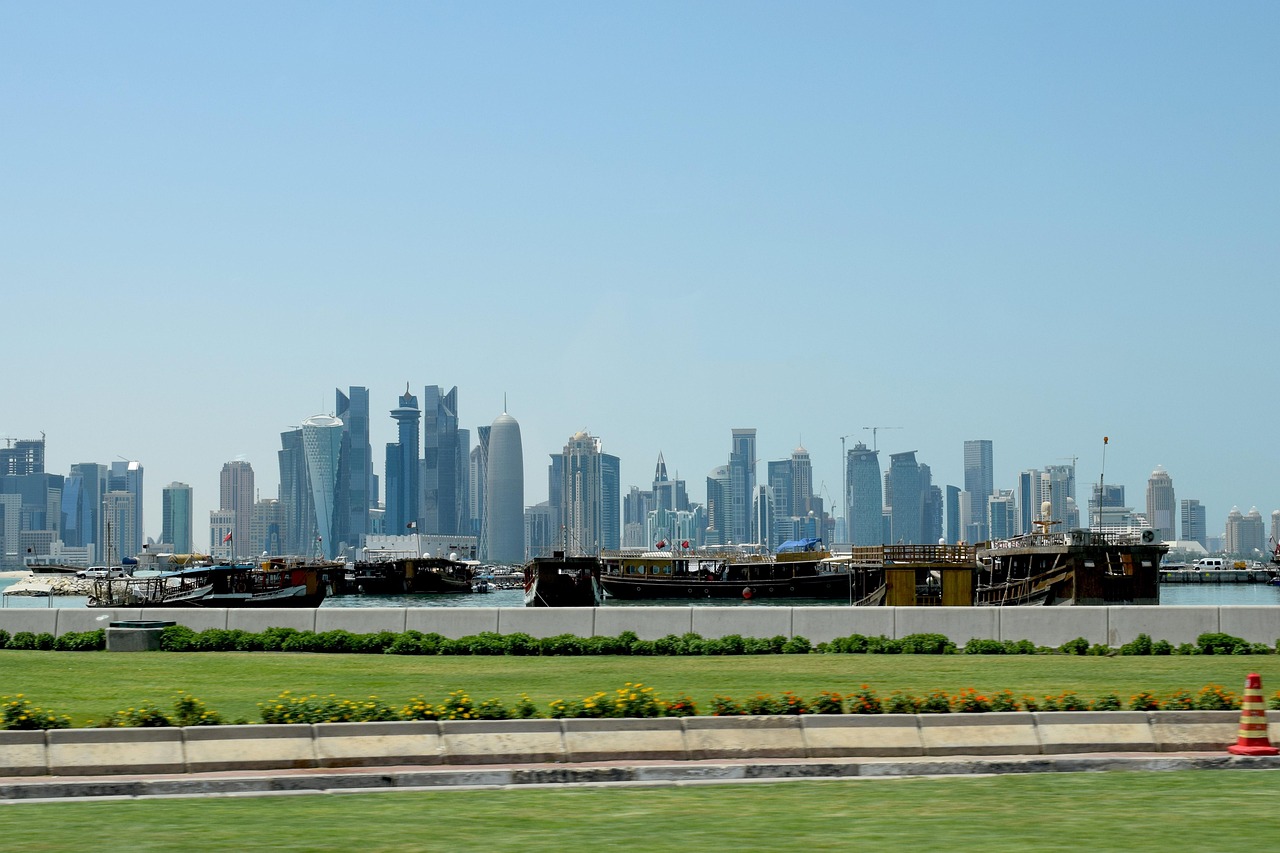
Why rich: Doha benefits from high per-capita energy revenue, strong sovereign wealth investment, and rapid development in infrastructure and sports tourism. Major airport: Hamad International (DOH).
Travel tip: Doha’s museum and park projects are walkable in the city center; taxis and ride-hailing are affordable and reliable.
4. Riyadh, Saudi Arabia
Why rich: Riyadh is Saudi Arabia’s political and financial core, with large-scale modernization projects, new business districts, and a growing tech and services sector. Major airport: King Khalid International (RUH).
Travel tip: Business districts are spread out—plan meetings with transit time in mind. Note strict local regulations and consult official sources for visa and cultural rules.
5. Kuwait City, Kuwait
Why rich: Kuwait City holds significant hydrocarbon wealth and sovereign holdings, with strong per-capita income and active banking and real estate sectors. Major airport: Kuwait International (KWI).
Travel tip: The Corniche and Kuwait Towers are easy to visit in a day; book hotels near the city center for convenience.
6. Manama, Bahrain
Why rich: Manama’s economy centers on banking, finance, and logistics; Bahrain has positioned itself as a business and fintech-friendly Gulf jurisdiction. Major airport: Bahrain International (BAH).
Travel tip: Manama’s compact layout makes it great for short stays—combine souq visits with nearby fintech district meetings.
7. Muscat, Oman
Why rich: Muscat combines oil revenues with growing tourism, shipping, and logistics; the city offers a distinctive cultural and natural appeal compared with other Gulf financial centers. Major airport: Muscat International (MCT).
Travel tip: Use Muscat as a base for scenic drives to Wadi Shab or the Hajar foothills; accommodations range from boutique hotels to seafront resorts.
8. Jeddah, Saudi Arabia
Why rich: Jeddah’s port, trade, and commercial sectors underpin its wealth; it’s also Saudi Arabia’s gateway to the Red Sea tourism push and a major cultural center. Major airport: King Abdulaziz International (JED).
Travel tip: Visit the historic Al-Balad district and the Jeddah Corniche; expect humid weather and check entry rules if attending religious events.
9. Dammam / Al Khobar (Eastern Province), Saudi Arabia
Why rich: The Dammam metropolitan area is centered on oil production, petrochemicals, and industrial exports—wealth concentrated around the King Fahd Industrial Port and Dhahran’s energy companies. Major airport: King Fahd International (DMM).
Travel tip: For business travel, base yourself in Al Khobar or Dhahran; coastal promenades and malls are popular for evening leisure.
10. Sharjah, United Arab Emirates
Why rich: Sharjah’s economic strength comes from manufacturing, education, and cultural tourism, with proximity to Dubai adding strategic business advantages. Major airport: Sharjah International (SHJ).
Travel tip: Sharjah is quieter and more conservative than Dubai—great for family stays and cultural tours. Public transport links to Dubai make day trips easy.
At-a-glance table: Airports and why each city ranks highly
| City | Country | Major Airport | Main Wealth Drivers |
|---|---|---|---|
| Dubai | UAE | DXB | Tourism, finance, real estate, logistics |
| Abu Dhabi | UAE | AUH | Oil revenue, sovereign investment, culture |
| Doha | Qatar | DOH | Energy revenue, sovereign funds, infrastructure |
| Riyadh | Saudi Arabia | RUH | Government, finance, megaprojects |
| Kuwait City | Kuwait | KWI | Oil wealth, banking, sovereign assets |
| Manama | Bahrain | BAH | Banking, finance, logistics |
| Muscat | Oman | MCT | Energy, tourism, shipping |
| Jeddah | Saudi Arabia | JED | Port trade, commerce, tourism |
| Dammam / Al Khobar | Saudi Arabia | DMM | Oil, petrochemicals, industry |
| Sharjah | UAE | SHJ | Manufacturing, education, culture |
What makes a city “rich” in the Gulf?
Definition: In the Gulf context, a “rich” city combines high government or private energy income, strong sovereign investment vehicles, active financial sectors, real estate development, and growing tourism or logistics hubs. Wealth may be concentrated in a small number of companies or funds rather than broadly distributed among residents.
Why it matters for travelers: Wealth shows up as high-quality hotels, international dining, premium transport options, and large cultural or leisure investments. However, visitor experience varies—some cities emphasize luxury tourism while others focus on business services and industry.
Best Tips for Planning Your Trip to the Gulf’s Wealthiest Cities
- Check visa rules and entry requirements on official government websites—regulations change and vary by nationality.
- Book flights into the main international hubs (DXB, AUH, DOH, RUH, KWI, BAH, MCT) and use regional carriers (Emirates, Etihad, Qatar Airways, Saudia) for intra‑Gulf connections.
- Avoid peak summer months if possible; autumn through spring offers cooler weather and outdoor-friendly conditions.
- Respect local customs—dress codes, gender-segregated spaces, and Ramadan observances can affect opening hours and behavior.
- Use ride-hailing apps and official taxis for safety and transparent fares; public transit systems (metros in Dubai/Doha/Doha, buses) can save time and money in city centers.
- Purchase travel insurance that covers health and trip disruption, and confirm medical coverage options before you travel.
Who is this list best for?
This guide is best for business travelers, investors, luxury and cultural tourists, and anyone planning short visits to the Gulf’s major financial and tourism centers. If you’re scouting locations for corporate expansion, investment, or regional meetings, these cities represent the heaviest concentrations of capital and infrastructure.
Is it worth visiting the richest Gulf cities?
Yes—if you’re interested in cutting-edge architecture, high-end dining, business networking, or cultural institutions funded by sovereign wealth. For leisure travelers, the experience is different from traditional beach resorts: expect luxe cityscapes, modern museums, and significant business-class infrastructure. For budget travelers, some cities offer affordable transit and mid-range hotels, but costs can be higher in major hubs.
Common mistakes to avoid when visiting Gulf cities
- Underestimating travel time between districts—many Gulf cities are sprawling and require car time.
- Assuming all services run 24/7—observance of religious holidays and prayer times can affect schedules.
- Neglecting local dress and cultural norms—dress conservatively in public and business settings.
- Relying solely on cash—most places accept cards, but keep local currency for taxis and small shops.
Conclusion
The Top 10 Richest Cities in the Gulf Region 2026 showcase a mix of long-established energy wealth and rapid diversification into finance, tourism, and technology. Whether you’re visiting for meetings in Riyadh, museums in Abu Dhabi, or the skyline of Dubai, each city offers distinct reasons for its ranking—economic clout, strategic infrastructure, and large-scale investments. Plan carefully, respect local rules, and you’ll get the most from a trip to these powerful Gulf hubs.
Frequently Asked Questions
Which city is the richest in the Gulf in 2026?
Direct answer: Dubai, Abu Dhabi, and Doha are generally viewed as the top three richest cities in the Gulf in 2026, with Dubai leading in commerce and tourism. Explanation: Rankings depend on metrics—GDP, sovereign wealth, and investment—but these three combine diversified economies and major international hubs.
Do I need a visa to visit Gulf cities?
Direct answer: Visa requirements vary by country and nationality; some nationalities receive visas on arrival or e-visas, while others need preapproved visas. Explanation: Always check the official immigration website of the destination country before booking, as visa policies change frequently.
What is the best time of year to visit Gulf cities?
Direct answer: The best time is typically October through April when temperatures are milder and outdoor activities are comfortable. Explanation: Summers can be extremely hot, so many travelers prefer the cooler months for sightseeing and outdoor events.
Are Gulf cities safe for tourists?
Direct answer: Gulf cities are generally safe for visitors, with low violent crime rates and strong public security. Explanation: Exercise normal precautions—watch belongings in crowded areas, follow local laws, and stay informed about travel advisories for specific regions.
Which airport should I fly into for a Gulf multi-city trip?
Direct answer: Choose a major hub like DXB (Dubai), AUH (Abu Dhabi), or DOH (Doha) for international connections and then use regional flights to reach other Gulf cities. Explanation: These airports have frequent intercontinental and intra‑Gulf services and good onward connectivity.
Can I use rideshare apps in Gulf cities?
Direct answer: Yes—ride-hailing apps are available in most Gulf cities and are a convenient alternative to taxis. Explanation: Apps and official taxis offer transparent fares; in some cities you may need a local SIM or app account to pay digitally.
Is English widely spoken in Gulf financial centers?
Direct answer: Yes—English is commonly used in business, hospitality, and tourism in Gulf cities. Explanation: While Arabic is the official language, English signage and English-speaking staff are standard in hotels, airports, and corporate districts.
How can I find affordable hotels in wealthy Gulf cities?
Direct answer: Book outside the main luxury districts, use business hotels, or travel in shoulder seasons to find more affordable rates. Explanation: Proximity to metros and business centers can reduce transport costs, and comparison sites often surface competitive deals—always check cancellation policies before booking.