





Over the past decade Saudi Arabia has moved from a largely closed, pilgrimage-centered travel market to an increasingly diversified, world-facing tourism economy. Several policy, cultural and investment shifts explain this transformation.
Vision & policy reforms: a strategic pivot
The Saudi government’s Vision 2030 agenda has been the single biggest catalyst for tourism growth. Launched to diversify the economy away from oil, it explicitly prioritizes tourism as a major new sector for jobs, investment and international engagement.
To put that strategy into practice, authorities introduced a set of pragmatic reforms: the launch of a general tourist visa and e-visa schemes to simplify entry, relaxed regulations for tourism and entertainment businesses, incentives for international hotel groups and domestic private-sector investment programs. Collectively these measures lowered many of the traditional barriers to visiting and operating in the country.
Heritage, culture and newly opened attractions
Saudi Arabia is home to millennia of history and a wide diversity of cultural sites. In recent years the government has invested in restoring and promoting archaeological sites, historic districts and museums. Notable examples include well-preserved Nabatean tombs and rock-cut architecture in northwestern sites, historic urban cores such as Jeddah’s Al-Balad, and several protected oases and archaeological landscapes.
- Heritage tourism: Newly curated visitor experiences, guided tours and interpretation centers make ancient sites accessible and informative for international visitors.
- Cultural infrastructure: Museums, galleries and cultural festivals have expanded, giving travelers more reasons to explore beyond a single city.
- Local experiences: Growth in boutique hotels, restored heritage houses and community-led tourism offers more authentic stays and interactions.
Mega-projects and coastal resort development
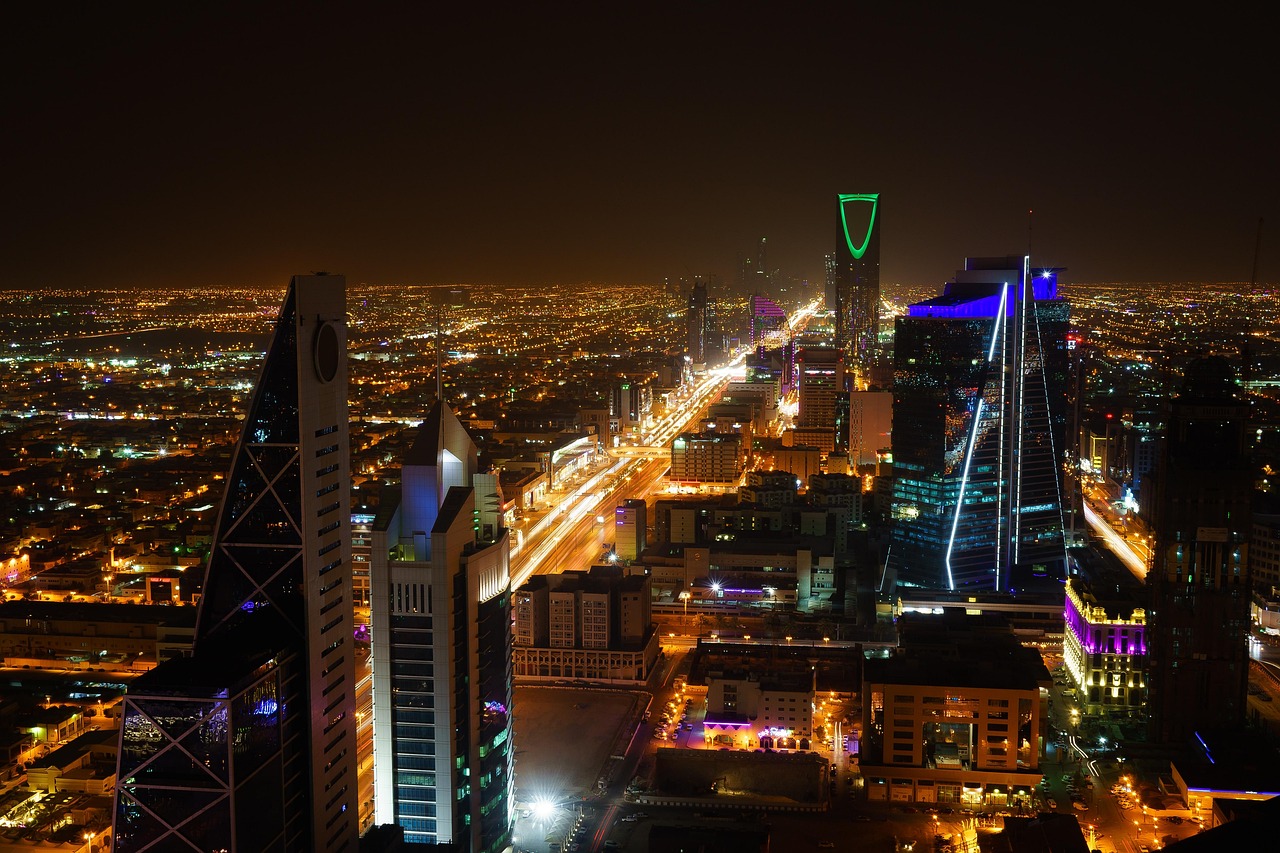
Ambitious “giga-projects” and luxury resort developments are reshaping the tourism offering. Large-scale initiatives aim to create world-class coastal resorts, eco-tourism destinations, and futuristic urban developments that attract investors and international visitors.
- Coastal resorts and islands: New resort enclaves along the Red Sea coastline and on offshore islands aim to deliver luxury, diving and marine tourism.
- Futuristic cities: High-profile developments emphasize advanced technology, design and lifestyle amenities to position Saudi Arabia as a next-generation travel hub.
- Mixed-use destinations: Integrated projects combine leisure, cultural, retail and sports facilities to lengthen stays and diversify activities.
Improved access, transport and hospitality capacity
Tourism growth requires practical connectivity and comfortable stays. Saudi Arabia has invested heavily in airports, roads and domestic air routes, making it easier to travel between major cities and remote attractions. International airlines have expanded routes into the kingdom, and Saudi carriers have modernized fleets to support inbound travel.
At the same time, international hotel brands and a growing set of local operators have added thousands of hotel rooms—ranging from luxury resorts to affordable city hotels—giving visitors more accommodation choice.
Events, entertainment and sports: new reasons to visit
Saudi Arabia has dramatically increased its calendar of public events: music concerts, film and arts festivals, major sporting events and international conferences. These high-profile programs raise global awareness, bring in repeat visitors and build a broader tourist season beyond traditional pilgrimage periods.
- Sports tourism: International races, football matches and motorsport events draw fans and media attention.
- Arts and culture: Festivals and exhibitions spotlight regional and international artists and encourage cultural exchange.
- Business and MICE travel: Conferences and trade shows are attracting professional travelers, supporting the meetings, incentives, conferences and exhibitions (MICE) segment.
Sustainability and conservation as part of the offer
Many new projects emphasize environmental stewardship and regenerative tourism principles. Coastal and island resorts promote marine conservation programs, while protected-area management and community-based initiatives aim to balance visitor access with nature preservation. Positioning part of the product as sustainable appeals to a growing segment of environmentally conscious travelers.
Challenges and considerations
Rapid transformation also brings challenges that travelers and industry stakeholders should weigh:
- Social and cultural norms: Visitors need to respect local customs, dress codes and laws. While regulations have relaxed in some areas, cultural sensitivity remains important.
- Human rights and governance concerns: International observers and some travelers consider human rights records when choosing destinations. These considerations influence perception and traveler decisions.
- Climate and seasonality: Hot summers in much of the country mean that visitor flows are seasonal; coastal and elevated regions can offer milder alternatives.
- Environmental impact: Mega-developments carry ecological footprints that require careful long-term management to protect fragile ecosystems.
Conclusion
Saudi Arabia’s rise as a global tourism destination is driven by a coordinated mix of policy reform, large-scale investment, expanded access, and a growing calendar of cultural and sporting events. The country’s unique combination of ancient heritage, dramatic landscapes and ambitious new developments gives it a distinct place in the global tourism map. For travelers and investors alike, Saudi Arabia now offers a wider and more varied set of experiences than ever before—albeit one that still requires cultural sensitivity and thoughtful engagement with local realities.