






Agricultural nursery proposal approved by Northern Municipal Council
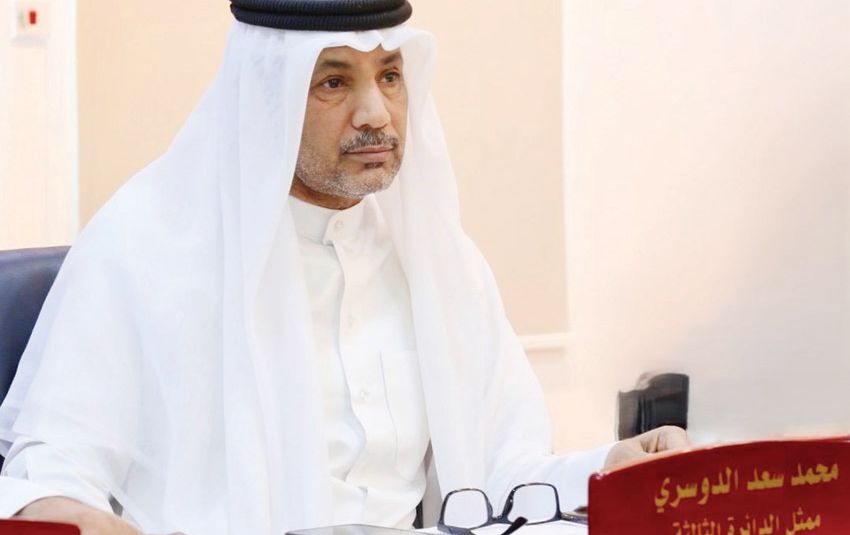
The Northern Municipal Council approved a proposal to establish an agricultural nursery in the Al-Budai area, council records show. The motion, put forward by district representative Mohammad Saad Al-Dosari, passed by a majority during the council’s eighth regular session of the fourth sitting in the sixth municipal cycle. The decision was framed as part of broader municipal efforts to expand urban greening and support community agriculture.
Council decision and immediate details
The council approved the project during its scheduled session this month, officials said. The vote authorizes the use of a municipal property managed by the relevant ministry to site the nursery, subject to technical studies and standard approvals. The proposal aims to create a local facility that supplies plants, seedlings and horticultural advice to residents and public landscaping programs.
According to Mohammad Saad Al-Dosari, Al-Budai lacks a nearby nursery to serve homeowners, schools and local initiatives. He told the council that a dedicated nursery would support growing interest in home gardening and tree planting, and provide a centralized resource for plant material and expertise. The move follows similar municipal actions to promote environmental projects across the governorate.
Why an agricultural nursery matters for Al-Budai and the governorate
An agricultural nursery can act as a hub for urban greening by supplying suitable species for local climate conditions and municipal planting schemes. Furthermore, the nursery is expected to underpin community agriculture projects and small-scale food production, officials said. Therefore, proponents argued, the facility will improve access to plant material while encouraging residents to participate in landscaping and food-growing activities.
In addition to supplying plants, a nursery can offer training, propagate native and drought-tolerant species, and support habitat restoration efforts. The proposal aligns with national strategies such as Bahrain 2030 that emphasize environmental protection and sustainable use of natural resources, according to municipal statements. Meanwhile, the project could reduce procurement costs for public green projects by producing stock locally.
Environmental and social benefits expected
The nursery is intended to expand green cover across residential and public areas, which can moderate urban temperatures and improve air quality. Furthermore, increasing tree and shrub planting supports biodiversity and creates opportunities for community engagement in conservation. Supporters also point to indirect benefits such as enhanced neighborhood aesthetics and greater public awareness of sustainable practices.
Officials noted that the facility would serve a range of users: private gardeners, schools, community groups and municipal landscaping teams. Therefore, the nursery is positioned as both a supply center and an educational resource. The council stated it would coordinate with technical agencies to develop propagation plans that prioritize native and water-wise species.
Implementation steps, responsibilities and oversight
The council’s approval is a policy-level endorsement and does not yet allocate final funding or detailed design. Next steps include site assessment, environmental review, and a technical feasibility study by the relevant ministry and municipal departments. Once studies are completed, the council will consider budget implications and a construction timetable, officials said.
Project oversight is expected to involve municipal engineers, agricultural specialists and representatives from the ministry that manages municipal assets. Additionally, the council indicated plans to invite community input on nursery services and operating hours to ensure the facility meets local needs. Therefore, stakeholders will be engaged during the planning phase to inform species selection and service offerings.
Economic and food-security implications
Proponents argue that local nurseries can contribute to food security by supporting home gardens and small-scale urban agriculture. By providing seedlings and technical guidance, the nursery could increase household capacity to produce vegetables and herbs. Furthermore, locally produced plant stock can reduce reliance on imported seedlings for public landscaping and community farms.
Municipal records suggest that supporting community agriculture and urban greening can lead to cost savings over time through lower maintenance needs and improved resilience of planted areas. However, the council acknowledged that long-term operation will require sustainable funding and trained staff. Therefore, operational planning will need to balance revenue-generating services with public access goals.
Community engagement and educational role
One stated purpose of the nursery is to foster community participation in planting and environmental stewardship. The facility is expected to host workshops, demonstrations and school visits that focus on planting techniques, composting and water-wise gardening practices. In turn, these activities could raise public awareness about sustainable landscaping and the benefits of native species.
Local representatives emphasized that the nursery should be accessible to diverse groups, including youth organizations and elderly residents who may benefit from community gardening programs. The council also recommended partnerships with local NGOs and environmental groups to expand outreach and volunteer opportunities. Such partnerships could enhance the nursery’s role as a community hub for green initiatives.
What to watch next: timeline and approvals
Following the council vote, municipal staff will commission technical studies and coordinate with the ministry responsible for municipal properties. These evaluations will determine the precise location, infrastructure requirements and projected costs. Therefore, residents should watch for public notices about site assessments and community consultation sessions in the coming months.
If feasibility studies are favorable, the council will move to allocate funds and set a construction schedule. Officials advised that a phased approach is likely: initial propagation and small-scale operations could begin before full infrastructure is completed. Meanwhile, observers will monitor how the project integrates with broader Bahrain 2030 environmental objectives and municipal green plans.
Forward-looking conclusion
The municipal endorsement represents a policy shift toward locally based plant production and community-focused environmental services. In the short term, stakeholders should expect technical studies and outreach activities. Over the next year, the key milestones to watch are study completion, budget approval and the announcement of a launch timeline. Ultimately, the nursery’s success will depend on coordinated planning, sustainable funding and active community participation.