






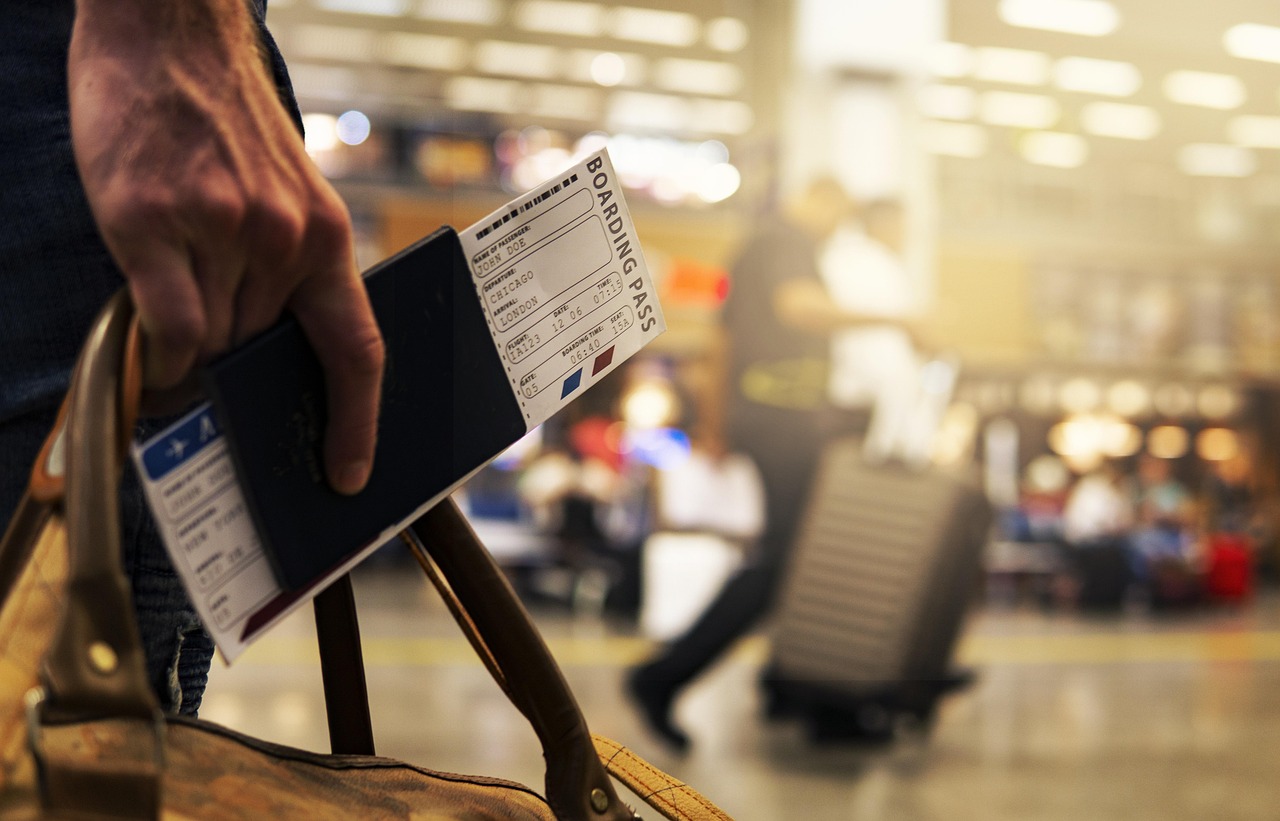

Many travelers ask which destinations they can visit without applying for a visa ahead of time. The simple truth is that “Visa-Free Countries You Can Travel to in 2026 Without a Visa” depends primarily on the passport you hold. Some passports offer broad visa-free or visa-on-arrival access to dozens of countries, while others require visas for most international travel.
This article gives a practical, region-by-region view of common visa-free destinations in 2026, explains how to verify rules for your nationality, and offers packing and planning tips that save time at the border. Read the Quick Answer first if you want a fast summary, then use the regional examples and step-by-step checks before you book.
Quick Answer
Visa-Free Countries You Can Travel to in 2026 Without a Visa vary by nationality. Holders of stronger passports (for example, EU/Schengen, UK, US, Canada, Australia, Japan, Singapore, South Korea) typically travel visa-free to many countries in Europe, the Americas, the Caribbean, parts of Asia and Oceania. If you have a different passport, check official embassy pages or the IATA Timatic system for exact lists and conditions before booking.
Key Takeaways
- Visa-free access in 2026 is passport-dependent — there’s no universal list that fits every traveler.
- Many popular short-stay destinations offer visa-free entry or visa-on-arrival for holders of powerful passports.
- Always verify entry conditions (passport validity, health, eTA/ESTA) with official sources before travel.
- Visa-free does not remove other entry requirements like return tickets, proof of funds, or entry forms.
Visa-Free Countries You Can Travel to in 2026 Without a Visa: Regional Overview
Europe
For passports with strong travel freedom, many European countries allow short-term stays without a visa. The Schengen Area permits visa-free short visits for nationals on the EU-approved list; other European countries such as Albania, North Macedonia, and Montenegro may offer separate visa-free arrangements to many travelers. Check whether you need an ETIAS or similar travel authorization for Europe even when you are visa-exempt.
The Americas
South and Central America, plus many Caribbean islands, are often accessible visa-free to many nationalities. Countries like Mexico, much of Central America, and most of South America have relaxed short-stay rules for visitors from Western passports. Caribbean nations frequently permit visa-free stays for tourism, though each island sets its own rules and entry requirements.
Asia and Oceania
Asia and Oceania are mixed. Popular tourist destinations such as Japan, South Korea, and several Southeast Asian countries allow visa-free entry for certain passports, while others require visas or eVisas. In Oceania, island nations may offer visa-on-arrival or visa-free entry for limited periods, but always confirm whether an electronic travel authorization (eTA) or online form is required.
Africa
Africa has the widest variety of entry regimes. Some countries offer visa-free access to specific nationalities or visa-on-arrival/eVisa options for many visitors. Others maintain stricter visa requirements. If you plan to visit African nations, consult the destination’s immigration or embassy site ahead of time and consider regional safety and health recommendations.
Visa-Free Countries You Can Travel to in 2026 Without a Visa: Examples by Passport Group
The table below gives examples of regions and common visa-free destinations for frequently referenced passport groups. These are examples only — verify rules for your exact passport.
| Passport Group | Typical Visa-Free Destinations (examples) |
|---|---|
| EU / EEA / Schengen | Most of Europe, many countries in the Americas, parts of Asia and Oceania |
| United States / Canada / UK / Australia | Schengen Area (short stays), many Caribbean islands, much of South America, Japan, South Korea, several Southeast Asian nations |
| Japan / Singapore / South Korea | Extensive visa-free access across Europe, Americas, and Asia-Pacific |
| Other passports | Often require visas for many regions; some offer access to neighboring countries or selective visa-free states |
How to Check If a Country Is Visa-Free for Your Passport
- Visit the official embassy or immigration website of the destination country — that is the primary source of up-to-date information.
- Use IATA Timatic or airline resources at booking time to confirm entry rules; airlines can refuse boarding for incorrect documentation.
- Look for government travel advisories or consular web pages for details on passport validity, required documents, and health requirements.
- Contact the destination’s embassy or consulate directly if an online source is unclear; ask about allowable length of stay and entry conditions.
Common Entry Rules Even When Travel Is Visa-Free
Visa-free entry usually still requires travelers to meet several conditions:
- Passport valid for a minimum period (commonly six months) — check the destination’s rule.
- Proof of onward or return travel; some countries will ask to see a return flight.
- Evidence of sufficient funds for your stay or booked accommodation.
- Vaccination or health entry requirements (e.g., yellow fever certificate for certain countries) — health rules change frequently.
Best Tips for Planning Your Trip
- Verify visa-free status early: confirm at least 2–4 weeks before travel so you can apply for an eVisa or visa if needed.
- Check whether an electronic travel authorization (eTA/ESTA/ETIAS) is required even for visa-free visitors.
- Keep digital and printed copies of your passport, travel insurance, and booking confirmations in case border officials request them.
- Consider travel insurance that covers trip interruption and unforeseen visa issues — it can save money and stress if plans change.
- Plan for transit rules: a country where you are visa-free may still require a transit visa if you leave the airport or have a long layover.
Is it worth it? Who is this best for?
Visa-free travel is a major benefit for spontaneous trips, short-term business, and tourism. It’s especially useful for travelers with passports that grant broad access — they can often travel with minimal paperwork and lower cost. For travelers from countries with limited visa-free access, the benefit is smaller; careful planning and allowance for visa processing time are essential.
Common Mistakes to Avoid When Using Visa-Free Access
- Assuming visa-free equals no rules — always check passport validity and entry conditions.
- Ignoring e-authorizations — many visa-exempt visitors still need online clearance before departure.
- Not checking transit visa requirements — an otherwise visa-free journey can be disrupted by a transit rule.
- Failing to carry proof of funds or return tickets — border agents commonly request these documents.
Conclusion
Visa-Free Countries You Can Travel to in 2026 Without a Visa are numerous for holders of strong passports, but there is no one-size-fits-all world map. Use the regional examples and the verification steps above to confirm rules for your specific passport before booking. Always cross-check embassy sites, IATA Timatic, and airline guidance to avoid last-minute surprises at the airport.
Frequently Asked Questions
Do visa-free countries mean I don’t need any travel documents?
No. Visa-free entry still requires a valid passport and often other documents like return tickets, proof of funds, or an electronic travel authorization. Always check the destination’s entry requirements before travel.
How long can I stay in a visa-free country?
Length of stay varies by country and by your nationality; common periods are 30, 60, or 90 days for tourism. Confirm the permitted duration with the destination’s immigration authority or embassy.
What’s the difference between visa-free and visa-on-arrival?
Visa-free means you do not need to obtain a visa before or at entry for short visits. Visa-on-arrival requires you to get a visa at the port of entry. Rules and fees for visa-on-arrival vary — check official sources.
Can I work or study in a visa-free country?
Generally no — visa-free entry is typically for tourism, family visits, or short business trips. If you plan to work, study, or stay long-term you usually need to obtain the appropriate visa or permit in advance.
How do I check if I need an eTA, ESTA, or ETIAS?
Look at the immigration or embassy website of your destination, or consult your airline during booking. These electronic authorizations are commonly required even when you are visa-exempt, and they must be obtained before travel.
What should I do if I’m denied boarding or entry despite visa-free status?
Ask the airline for the reason and contact your embassy or consulate for assistance. Keep copies of relevant documents and consider requesting written reasons for refusal to help resolve the situation.
Are visa rules likely to change before my trip?
Yes — visa policies, health requirements, and electronic authorization rules can change. Always verify within 72 hours of departure with official government or airline sources to ensure you have the correct documents.