





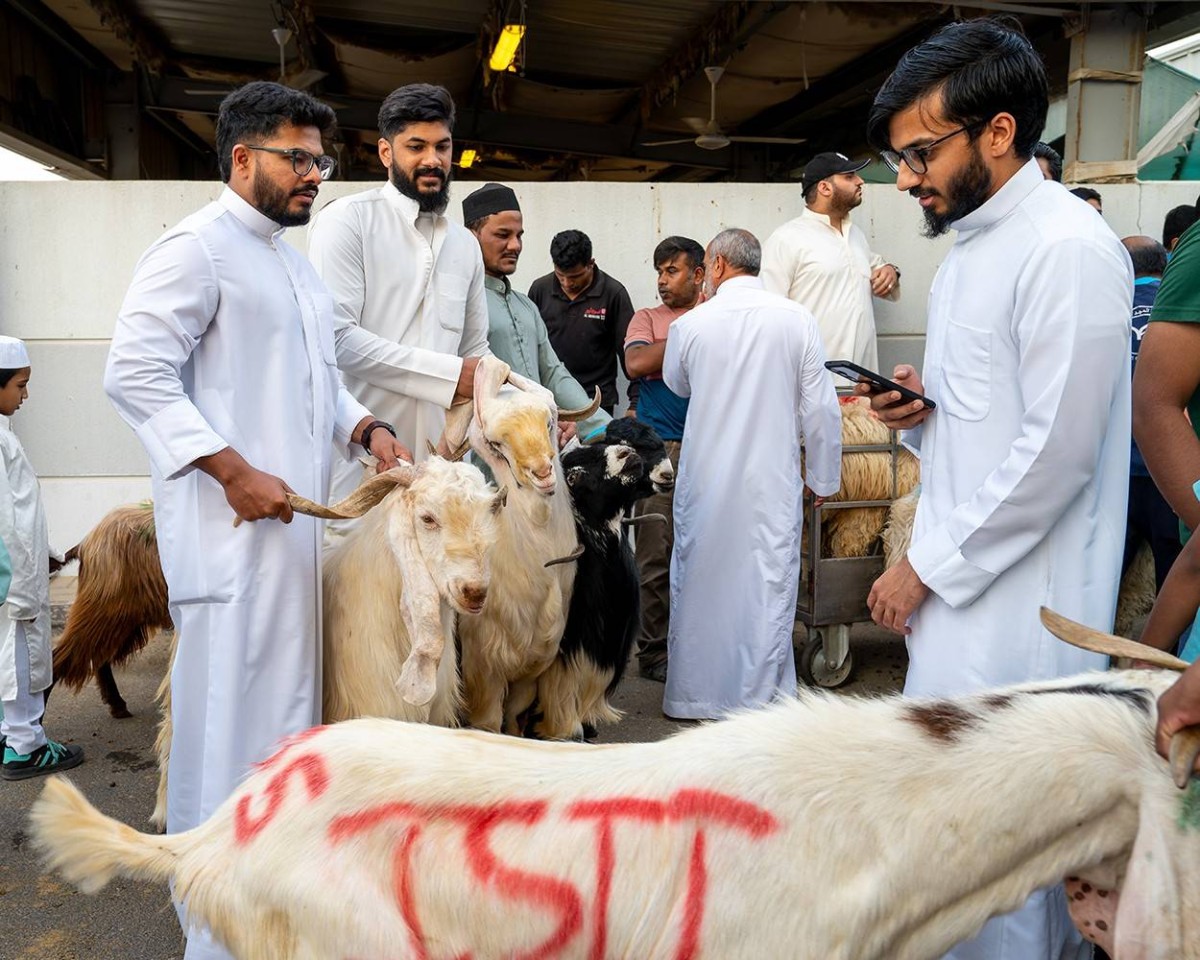

Eid Al-Adha in Kuwait saw philanthropists and residents begin organized animal sacrifice on Wednesday, the first day of the three-day Tashreeq period, according to the state news agency KUNA. The ritual, performed at central slaughterhouses across the country, aims to fulfill religious obligations while supporting vulnerable households through meat distribution.
Eid Al-Adha in Kuwait: First Day Observance
On the opening day of the holiday, Muslim families and donors gathered at well-equipped municipal slaughterhouses, which local authorities prepared to receive sacrificial animals. Officials said facilities operated with a comprehensive system of services intended to ensure orderly procedures and adherence to public health requirements.
Participants took care to select animals that meet Islamic criteria for age and health, reflecting the ritual’s spiritual purpose. Meanwhile, charity-minded donors turned the practice into communal relief, distributing portions to those in need, the report indicates.
Logistics and Public Health Measures at Slaughterhouses
Municipalities implemented organized workflows at slaughterhouses to manage the influx of people during the Tashreeq days. According to officials, facilities offered designated areas, trained staff, and systems to handle the processing and distribution of meat efficiently and hygienically.
Health authorities reminded the public to follow sanitation guidelines to reduce risk during large gatherings. Furthermore, strict adherence to veterinary inspections helped ensure animals were free from visible defects and disease, officials said, supporting both religious and public health obligations.
Religious Requirements and Community Practices
The sacrificial ritual embodies devotion and obedience to religious teachings, with practitioners emphasizing the spiritual intent behind the act. The person offering the sacrifice normally selects an animal that fulfills Islamic conditions, such as appropriate age and overall health, to honor the obligation and seek closeness to Allah.
Additionally, the practice is framed by values of mercy and solidarity; distributing sacrificial meat to the poor is a core component. Religious leaders and community groups often coordinate to ensure timely and respectful sharing, fostering social cohesion during the holiday.
Role of Philanthropists and Charity Distribution
Kuwaiti philanthropists played a prominent role on the first day, providing animals and funding to extend the reach of charitable distributions. Community organizations partnered with municipal services to allocate portions to families in need and to charitable institutions, according to local reports.
These coordinated efforts aim to alleviate food insecurity for vulnerable populations during the holiday season. Furthermore, officials noted that transparent handling and documented distribution help ensure fairness and maximize the benefit of donations.
Supporting Rural and Urban Beneficiaries
Distribution plans typically include both urban neighborhoods and more remote communities to reach a broad cross-section of beneficiaries. In contrast to ad hoc giving, organized programs can deliver meat portions more equitably, the ministry’s statements suggest.
Practical Considerations for Participants
People performing the sacrifice were advised to arrive early and comply with facility rules to keep operations smooth. Meanwhile, volunteers assisted with logistics such as animal handling, processing and packaging to speed distribution.
Those unable to attend in person often relied on intermediaries or charitable organizations to perform the sacrifice on their behalf, a practice recognized in many communities. Therefore, planning and coordination remain important for ensuring that religious and charitable intentions are fulfilled.
Implications for Public Services and Economy
The concentrated demand during Eid Al-Adha places operational pressures on municipal services, from veterinary inspections to waste management. City officials indicated that extra staffing and temporary facilities are often deployed during the three Tashreeq days to maintain standards and public safety.
Furthermore, activities related to the holiday support sectors such as livestock trade, veterinary services and transportation, creating a short-term economic ripple. However, authorities noted the priority remains the safe and dignified performance of religious rites and the timely delivery of charity.
Looking Ahead: Remaining Tashreeq Days and Guidance
Observers should watch for continued sacrificial activities through the remaining two Tashreeq days, during which similar flows to slaughterhouses are expected. Health authorities and municipal services may issue additional guidance or adjustments as needs arise, the report indicates.
In the days ahead, officials urged residents to follow safety recommendations, coordinate with local charitable organizations if they wish to donate, and expect ongoing distribution efforts to support vulnerable communities. This forward-looking coordination aims to preserve both religious observance and communal welfare throughout the holiday period.