





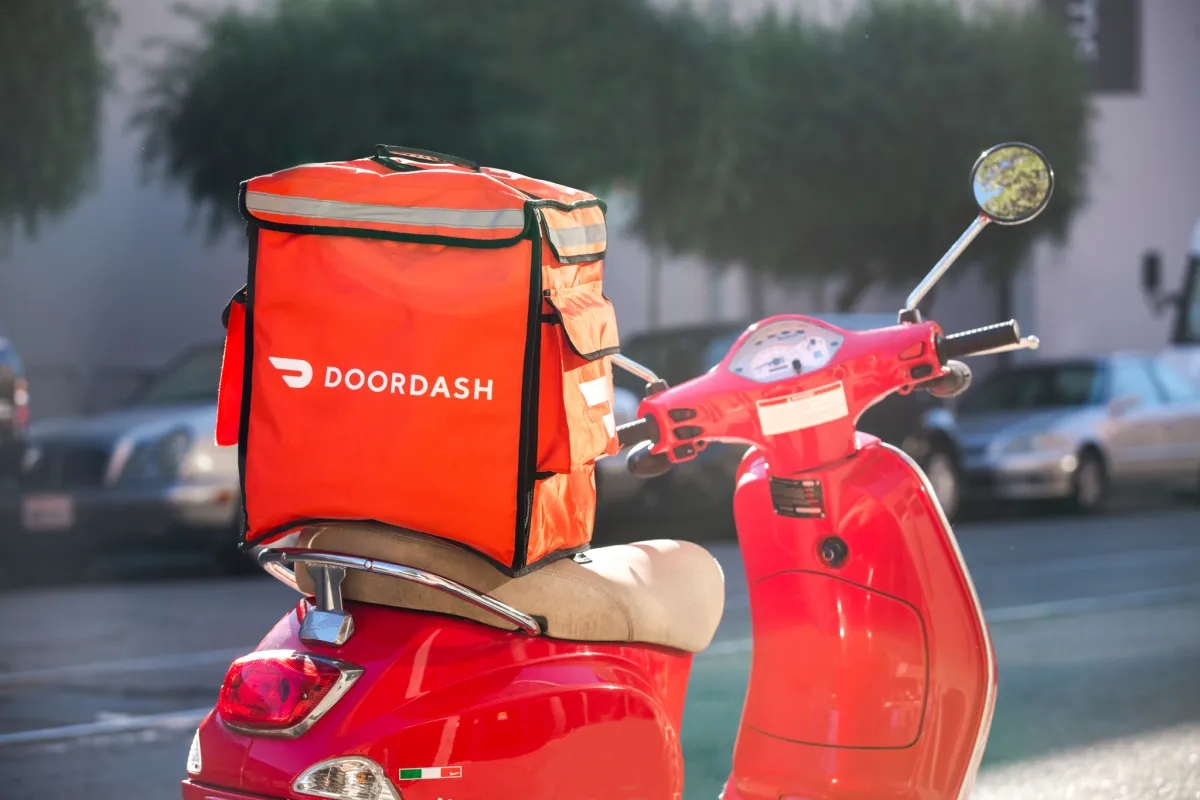

DoorDash is addressing concerns after a customer reported a driver seemingly used an AI-generated image to falsely confirm a delivery. The incident, which surfaced on social media platform X (formerly Twitter), alleges a driver in Austin, Texas, immediately marked an order as delivered and submitted a digitally created photograph depicting a DoorDash delivery at the customer’s address. This raises questions about the security protocols and fraud detection systems within the food delivery industry.
Austin resident Byrne Hobart initially shared the story, posting a side-by-side comparison of a digitally crafted image and a photo of their actual front door. The post quickly gained traction, with other users reporting similar experiences involving the same driver display name within the same geographic area. DoorDash has confirmed the incident and taken action against the driver’s account.
The Rise of AI and Food Delivery Fraud
While still relatively isolated, this case highlights a growing concern: the potential for artificial intelligence to facilitate fraudulent activity in the gig economy. The apparent sophistication of the fraud – utilizing AI to create a convincing delivery image – marks a new level of complexity for companies like DoorDash to contend with. This incident comes at a time when the use of AI tools is rapidly expanding, becoming more accessible and realistic.
Hobart speculated the driver may have gained access to a previous delivery photo through a feature within the DoorDash app that displays images from past drop-offs. This access, coupled with a compromised account and a jailbroken phone capable of running AI image generation tools, could have enabled the deceptive practice. It is important to note that Hobart’s theory has not been independently verified by DoorDash or law enforcement.
DoorDash’s Response and Security Measures
A DoorDash spokesperson stated to TechCrunch that the company swiftly investigated the complaint and permanently removed the driver’s account. The customer was also fully reimbursed for the undelivered order. The statement emphasized DoorDash’s “zero tolerance for fraud” and reliance on a combination of technological solutions and human review processes to identify and prevent abuse.
However, the incident questions the effectiveness of current safeguards. DoorDash and other delivery platforms employ various methods to verify deliveries, including GPS tracking and, as Hobart noted, photo verification. The fact that an AI-generated image bypassed these systems suggests a need for enhanced detection capabilities. This could include more robust image analysis to identify inconsistencies or telltale signs of digital manipulation.
Implications for the Gig Economy
The potential for AI-driven fraud extends far beyond DoorDash. The gig economy, characterized by independent contractors and reliance on digital platforms, is particularly vulnerable to such schemes. Other platforms using location and photo verification, like Uber Eats and Grubhub, may also need to review and strengthen their security protocols.
Additionally, this event raises broader concerns about trust within the on-demand service sector. Customers rely on these platforms to accurately deliver goods and services, and instances of fraud erode that trust. Maintaining consumer confidence is crucial for the continued growth and sustainability of these businesses.
Experts suggest that platforms will likely need to invest in advanced machine learning algorithms specifically designed to detect AI-generated content. This technology could analyze image metadata, pixel patterns, and other characteristics to identify potentially fraudulent submissions. However, this is an ongoing arms race, as AI technology continues to evolve and become more sophisticated.
The use of generative AI is expanding rapidly, impacting fields beyond just food delivery. The digital marketplace faces challenges in verifying authenticity, combatting misinformation, and maintaining the integrity of online transactions. This particular case involving AI-generated images demonstrates the adaptability of potential perpetrators.
The Role of Photo Verification
Photo verification, while intended to confirm deliveries, appears to have been exploited in this instance. The practice, introduced partly to deter porch piracy, requires drivers to take a picture of the delivered order at the customer’s door. However, the ease with which AI-generated content can now be created means this method is no longer foolproof.
Some users have suggested alternative verification methods, such as requiring drivers to scan a unique barcode on the delivery item or integrate the delivery confirmation process with smart doorbell systems. However, each solution presents its own set of challenges and costs.
This isn’t the first time concerns have been raised regarding fraudulent activity on delivery platforms. Instances of drivers marking items as delivered before they actually arrive, or even stealing packages, are periodically reported. The deployment of AI-generated imagery appears to be an escalation in the types of fraud these companies may encounter. Addressing delivery fraud requires a multi-layered approach.
Looking Ahead: Enhancing Security and Trust
DoorDash has not publicly detailed specific changes to its verification process in response to this event, beyond confirming the driver’s removal and customer reimbursement. The company is expected to assess the vulnerability of its systems and explore new technologies to detect AI-generated content and prevent similar incidents in the future.
Industry analysts anticipate increased investment in fraud detection across the entire food delivery sector. The effectiveness of these investments, and the ability of platforms to stay ahead of evolving fraudulent techniques, will be critical in maintaining customer trust and preserving the integrity of the on-demand economy. Further updates on DoorDash’s security enhancements and any legal ramifications are expected in the coming weeks. The impact of this event on gig worker practices and platform accountability remains to be seen.