








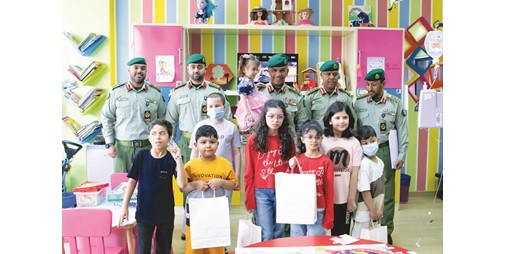

Kuwait National Guard Eid visit brings gifts to pediatric wards
A delegation from the Kuwait National Guard led by Major General Riyad Tawari visited the National Bank of Kuwait Specialized Children’s Hospital and the children’s wing at Al-Razi Hospital during Eid al-Adha to share holiday greetings and distribute gifts. The Kuwait National Guard Eid visit aimed to offer direct moral support and recognize the medical teams caring for young patients during the holiday, according to a service statement.
Who visited, where and why
The delegation was headed by the assistant for financial affairs and resource management, Major General Riyad Tawari, who conveyed the leadership’s appreciation for the hospitals’ work and for providing quality pediatric care. Furthermore, the visiting group presented gifts to children to lift spirits and mark the celebration, officials said. Meanwhile, hospital staff received formal thanks for maintaining services during the holiday period.
Activities during the visit and immediate impact
During the Kuwait National Guard Eid visit, the delegation distributed presents to children and spent time engaging with families and care teams. The brief interactions were intended to bring festive relief to patients and to acknowledge the pressures that medical personnel face in pediatric settings. In contrast to routine inspections, this trip focused on community outreach and morale-boosting rather than operational oversight.
Context: military healthcare outreach in Kuwait
Community engagement by uniformed services has become a recurring element of public service in Kuwait, with the National Guard participating in social and humanitarian efforts alongside its security roles. The Kuwait National Guard Eid visit fits a pattern of using public holidays as an opportunity to reinforce ties between military institutions and civilian healthcare providers. Officials said such visits aim to underscore institutional support for social wellbeing and emergency preparedness.
Why the visit matters for pediatric hospitals
Hospital leaders often emphasize the psychological as well as the medical needs of children, particularly during lengthy admissions or when procedures interrupt family celebrations. Therefore, visits timed to festivals can provide short-term emotional benefits and reaffirm community solidarity. Additionally, the visible support from national institutions may help raise awareness of pediatric services and staff needs, the report indicates.
Operational and symbolic implications
Symbolically, a Kuwait National Guard Eid visit signals that national security institutions also see themselves as stakeholders in public health and social stability. Practically, such engagements can strengthen interagency relationships that aid in coordinated responses during mass-casualty events or civil emergencies. Furthermore, the visit may prompt more formalized channels for cooperation between defense entities and health ministries, officials suggested.
Reactions from hospitals and families
Hospital representatives received the delegation with appreciation for the gesture and noted the positive effect on patient morale. Families present during the visits described the initiative as a welcome diversion from medical routines, and staff noted that recognition from national leadership can be a morale booster for front-line healthcare workers. However, officials were careful to present the visit as one element of ongoing support rather than a substitute for sustained investment in pediatric care.
Related healthcare and community initiatives
Similar outreach activities often accompany broader public health campaigns, including vaccination drives, health education, and emergency-preparedness workshops. Therefore, observers said that the visit could complement existing efforts to improve pediatric outcomes and public awareness. The delegation’s emphasis on appreciation suggests an intent to maintain visible community ties alongside formal cooperative measures.
Secondary keywords and broader themes
The Kuwait National Guard Eid visit highlights several related themes, including pediatric hospitals, Eid al-Adha celebration, and military delegation involvement in civic programs. These themes reflect the intersection of healthcare, cultural customs, and institutional public relations. In addition, the visit underscores the role of morale and community perception in sustaining healthcare services during holidays.
What to watch next
Readers should watch for follow-up statements from the National Guard or hospital administrations that may detail further cooperative plans or clarifications about ongoing support. Furthermore, announcements about expanded health partnerships, staff recognition programs, or scheduled community outreach events would indicate whether this visit will lead to longer-term initiatives. Meanwhile, monitoring official channels will provide confirmation and any additional context officials choose to release.
Conclusion and next steps
The Kuwait National Guard Eid visit to pediatric wards offered immediate emotional relief to children and public recognition for healthcare staff during a significant holiday. Looking ahead, the next expected steps are clearer communication about any sustained support mechanisms and potential formal collaborations between the National Guard and health providers. Therefore, stakeholders and the public should expect periodic updates from the institutions involved and watch for programs that translate ceremonial visits into practical, long-term benefits for pediatric care.