









Importance of Moderation and Forgiveness in Islam
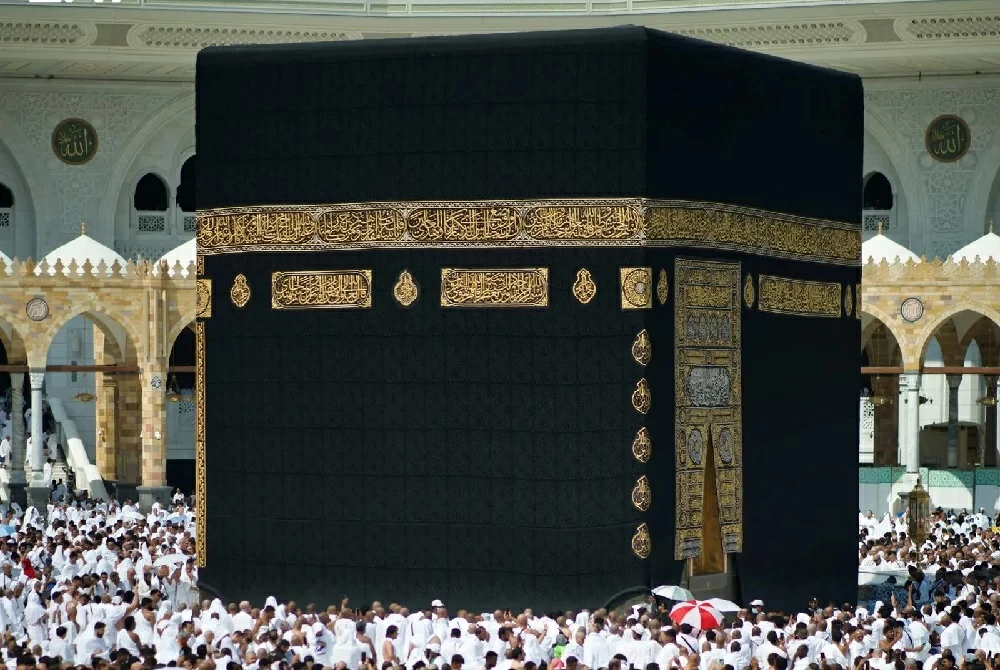
In his Friday sermons delivered at the Grand Mosque in Mecca and the Prophet’s Mosque in Medina, the importance of moderation and seeking forgiveness was emphasized as fundamental to individual righteousness and community stability. Imams called upon Muslims to adhere to the principles of moderation, sincere repentance, and verification of information, highlighting the significance of turning to credible sources.
Moderation as a Divine Principle
Sheikh Dr. Yasser bin Rashid Al-Dosari, the Imam and preacher of the Grand Mosque, articulated in his sermon that moderation is an essential aspect of divine guidance and a comprehensive legal framework for human life. He stressed that worship, social interactions, and worldly affairs should resonate with a balanced approach, steering clear of extremism. Islamic law aims to create a delicate equilibrium between a person’s rights, divine duties, and relationships with others, along with managing earthly affairs in light of preparation for the afterlife.
The success of an individual, according to Sheikh Al-Dosari, is not solely defined by excellence in one aspect of life but rather through the harmonious integration of various life dimensions. He referenced the Prophet Muhammad as the ideal example of balance and moderation in thought and action, underscoring the necessity of verifying information before spreading it and refraining from falling for unfounded rumors.
The Role of Forgiveness in Islamic Life
Meanwhile, in Medina, Sheikh Salah Al-Budair, the Imam and preacher of the Prophet’s Mosque, encouraged Muslims to cultivate a strong sense of piety and self-discipline while highlighting the pivotal role of forgiveness. He conveyed that seeking forgiveness is one of the most significant avenues to attract divine mercy and blessings. The religious texts often recommend frequent acts of forgiveness as vital for alleviating hardships and enhancing sustenance.
Sheikh Al-Budair cited various Quranic verses and prophetic traditions that emphasize the value of repentance and returning to God. He asserted that God’s door for forgiveness remains wide open for everyone, regardless of the extent of their sins, and that true repentance requires genuine remorse, abandonment of wrongdoing, and a commitment to obedience to God.
Ensuring Stability Through Unity and Support
Both imams highlighted the necessity for moderation not only for personal growth but as a foundational pillar for societal stability and cohesion. Sheikh Al-Dosari noted that the Kingdom of Saudi Arabia remains committed to supporting Islamic causes, particularly concerning issues such as the significance of Al-Aqsa Mosque. He asserted that moderation plays a crucial role in promoting social stability and collective unity while advancing public interests.
Furthermore, Sheikh Al-Budair closed his sermon with a call for immediate repentance and self-reflection, emphasizing that the true reward of forgiveness lies in correcting one’s path, abandoning sins, and adhering to God’s commands.
Conclusion
The teachings articulated by the imams during the sermons provide a timely reminder of the importance of adhering to the principles of moderation and striving for forgiveness in Muslim communities. As individuals internalize these messages, the broader community can anticipate a collective movement toward fostering stability and unity. Looking ahead, Muslims are encouraged to take actionable steps toward embodying these teachings in their daily lives, contributing to a more harmonious society.