






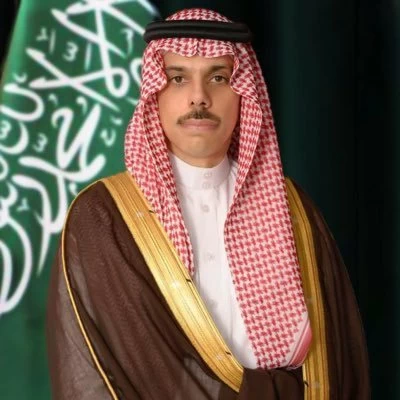

Saudi-Jordan diplomatic coordination
Saudi Foreign Minister Faisal bin Farhan bin Abdullah recently received a phone call from Ayman Safadi, Jordan’s Deputy Prime Minister and Minister of Foreign Affairs and Expatriates, in a move that underscores ongoing Saudi-Jordan diplomatic coordination. The two ministers discussed recent regional developments and agreed to continue bilateral consultations, according to statements from the Saudi foreign ministry.
The conversation, described by officials as constructive, focused on shared concerns in the Middle East and the need to synchronize diplomatic approaches. Both sides emphasized the importance of steady communication as regional tensions and political shifts unfold, the ministry added.
What the ministers discussed and why it matters
During the call, the ministers reviewed recent regional developments, including security and humanitarian dimensions that affect both countries. Officials said the discussion sought to align positions and ensure that diplomatic responses are coordinated between Riyadh and Amman.
Furthermore, the call reflected a broader pattern of close consultation among Gulf and Levant partners on issues ranging from conflict de-escalation to refugee flows. Therefore, observers view such exchanges as part of routine diplomatic management as well as targeted efforts to respond to immediate regional challenges.
Context: regional developments and Middle East diplomacy
Saudi-Jordan diplomatic coordination comes amid a complex regional environment where multiple conflicts and political transitions intersect. In this context, both countries have prioritized dialogue with regional and international partners to reduce escalation risks and manage humanitarian consequences.
Additionally, both Riyadh and Amman have played mediating and facilitative roles in various tracks of Middle East diplomacy, often coordinating positions within broader Arab frameworks. Analysts say that phone consultations between foreign ministers are one of several tools used to maintain policy coherence.
Bilateral coordination mechanisms and recent cooperation
Saudi and Jordanian officials have maintained frequent contact through ministerial calls, diplomatic visits, and working-level meetings. This continuity allows rapid information sharing on unfolding events and helps both capitals calibrate their public statements and diplomatic initiatives.
Moreover, bilateral coordination extends beyond diplomacy into economic and humanitarian collaboration. Therefore, discussions at the foreign ministry level often dovetail with coordination by other ministries and agencies responsible for aid, security, and cross-border cooperation.
How consultations shape policy responses
Consultations between ministers can influence voting and statements in regional forums, joint humanitarian responses, and efforts to de-escalate tensions. In practice, alignment on messaging and timing can amplify the impact of diplomatic initiatives and make multilateral engagements more effective.
Meanwhile, sustained coordination helps prevent misunderstandings and ensures that both capitals present consistent positions to international partners, which officials say is critical when rapid developments demand unified regional input.
Implications for regional stability and international partners
Observers say that continued Saudi-Jordan diplomatic coordination may reassure international partners that regional states are seeking collaborative solutions to crises. This cooperation can also serve as a channel for communicating shared priorities to external actors involved in mediation or support efforts.
However, officials caution that coordination does not guarantee immediate conflict resolution. Instead, it represents a strategic posture aimed at reducing escalation, coordinating humanitarian responses, and preserving diplomatic options. Therefore, the effectiveness of such coordination will depend on follow-through and broader regional dynamics.
What to watch next
Readers should monitor official statements from both foreign ministries for details on any planned meetings, joint communiqués, or mediation efforts. Additionally, upcoming regional summits and bilateral visits may provide further insight into how coordination shapes concrete diplomatic initiatives.
In the short term, expect continued phone consultations and working-level engagements as both capitals assess unfolding developments. Furthermore, international observers are likely to watch whether Riyadh and Amman coordinate publicly on key votes or statements in multilateral institutions.
Forward-looking conclusion
The recent call between Faisal bin Farhan bin Abdullah and Ayman Safadi highlights ongoing Saudi-Jordan diplomatic coordination as both countries respond to shifting regional dynamics. Officials say consultations will continue, with follow-up meetings and joint assessments likely in the coming weeks.
For policymakers and observers, the next steps to watch include any announced joint initiatives, coordinated humanitarian responses, or diplomatic efforts that aim to de-escalate tensions. Therefore, further updates from the ministries in Riyadh and Amman will be essential to gauge the trajectory of this cooperation.