









Strong Condemnation of Attacks on Saudi Arabia
The Women’s Institute for Development and Peace and the Arab Women’s Network have issued a profound condemnation of recent attacks targeting the security and stability of the Kingdom of Saudi Arabia and its neighboring Gulf states. These actions are seen as blatant violations of international laws and norms, representing direct threats to both regional and global peace and security.
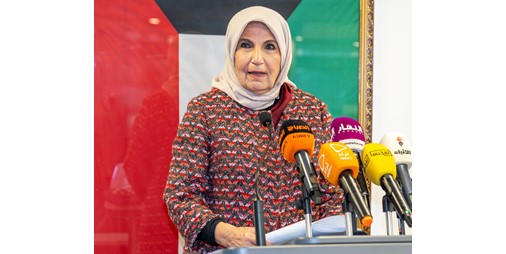
In a joint press statement, the Institute’s President, attorney Kawther Al-Jouan, expressed severe disapproval of these acts of terrorism and the desperate attempts to undermine critical infrastructure and civilian sites. Al-Jouan highlighted that such aggressions adversely affect the entire Gulf Cooperation Council (GCC) framework.
Immediate Challenges to Security in the Gulf
The recent surge in attacks has raised alarms among leaders in the region, prompting a discussion on the necessity for enhanced security measures. Al-Jouan reiterated unwavering support for Saudi Arabia and all GCC member states as they take necessary actions to safeguard their security and that of their residents.
The urgency for the Gulf Cooperation Council to activate joint security measures and coordination mechanisms has never been more critical. Immediate collaboration could serve to effectively monitor potential threats and respond swiftly, reinforcing the principle of collective security among member states.
Call for International Action Against Aggression
In light of escalating tensions, Al-Jouan called for active international engagement and the contribution of soft power in condemning these attacks. She urged global entities to acknowledge their responsibility in de-escalating the situation, promoting dialogue, and ensuring stability in the region.
Furthermore, the statement emphasized the importance of international cooperation in restoring peace. Local crises often have global ramifications, so it is vital that the international community collectively works toward mitigating violence and ensuring a stable environment in the Gulf region.
Implications for Regional Peace and Cooperation
The ongoing security threats challenge the established peace frameworks and cooperative efforts among Gulf nations. The potential for further incidents may trigger a cycle of retaliation, which could disrupt not only local but also international stability.
As the situation develops, stakeholders will be closely monitoring the actions of the GCC and its collective response to these threats. The involvement of international mediators could prove beneficial in fostering discussions aimed at lasting peace.
What Lies Ahead for Saudi Arabia and Its Allies
Moving forward, observers will watch how the GCC prioritizes collective security initiatives and diplomatic measures in the face of adversity. The recent events serve as a reminder of the delicate balance required to maintain peace in the region.
As preparations for potential escalations continue, the anticipated next steps may include enhanced military readiness and diplomatic outreach to bolster support from international allies. The GCC’s responsiveness in addressing these issues may set a precedent for future actions and policies aimed at sustaining regional security.
In conclusion, the steadfast commitment to peace and stability in the Gulf is more crucial than ever. The international community, along with the GCC states, must work cohesively to prevent further deterioration of the situation, focusing on comprehensive strategies that address both immediate threats and long-term peacebuilding efforts.