








Strengthening Educational Ties: Kuwait and Tajikistan’s Collaborative Efforts
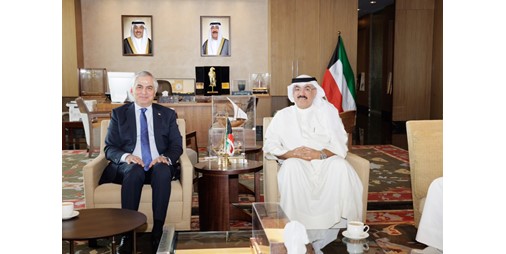
Kuwait’s Minister of Education, M. Said Jalal Al-Tabtabaei, recently met with the Ambassador of the Republic of Tajikistan to Kuwait, Khosrow Nazari. This meeting aimed to discuss the valuable relationship between the two countries and their mutual desire to enhance educational cooperation. Such engagement highlights the importance of international collaboration in improving educational frameworks.
Discussing Educational Cooperation
During the discussions, the Ministry of Education indicated that the focus was on exploring avenues for expanding joint efforts in educational sectors. Officials emphasized the advantages of sharing educational experiences and best practices. Notably, they highlighted Kuwait’s educational initiatives that are currently in place, aiming towards enhancing the quality of education and improving student outcomes.
Kuwait’s Educational Innovations
The meeting included a comprehensive overview of the ongoing reforms within Kuwait’s educational system. The efforts are geared towards modernizing curricula, incorporating advanced teaching methodologies, and utilizing technology to create interactive learning environments. These developments are part of a broader strategy to align Kuwait’s educational outcomes with global standards.
Moreover, the Minister pointed out that collaboration with Tajikistan could yield beneficial outcomes for both nations. By learning from each other’s experiences, they can address common challenges in education and create innovative solutions tailored to their respective contexts. Such partnerships are essential not only for improving local education systems but also for fostering cultural exchanges and understanding.
Future Steps in Educational Collaboration
Looking ahead, both parties expressed a commitment to solidifying their cooperative relationship. They plan to exchange delegations and educational experts who can share knowledge and resources. Through joint training programs and workshops, the goal is to empower educators, thereby enhancing the overall educational landscape in both countries.
Furthermore, there is potential for establishing student exchange programs, which could enrich students’ experiences and broaden their perspectives. This initiative would not only benefit educational frameworks but also strengthen the ties between Kuwait and Tajikistan on a cultural level.
Conclusion: A Promising Future in Education
The engagement between Kuwait and Tajikistan exemplifies the growing recognition of the importance of educational collaboration in today’s interconnected world. As both nations continue to develop their educational strategies, the lessons learned from this partnership are expected to drive positive change in their respective educational landscapes. The next steps will likely involve the formulation of specific agreements outlining cooperation details, which should be anticipated in upcoming months.