




Bahrain’s Commitment to Regional Development in the Gulf Cooperation Council
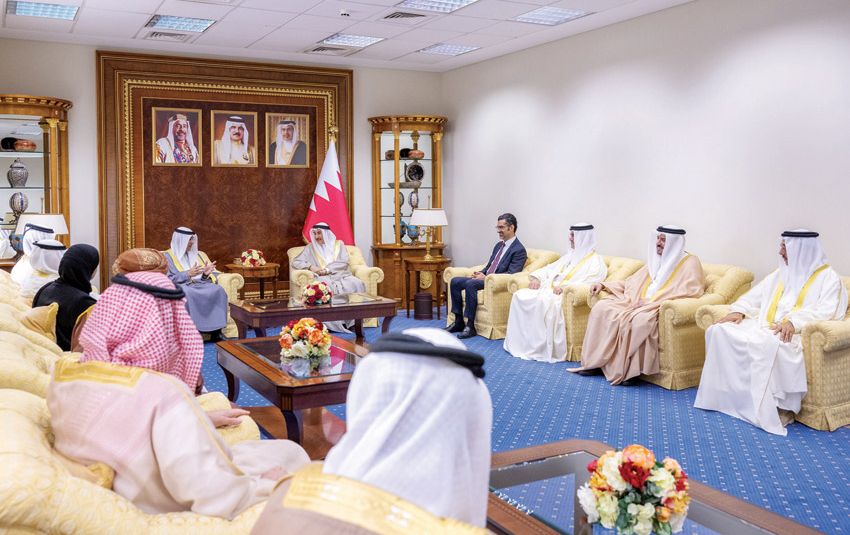
Sheikh Khalid bin Abdullah Al Khalifa, the Deputy Prime Minister of Bahrain, reaffirmed the Kingdom’s dedication to Gulf cooperation under the leadership of His Majesty King Hamad bin Isa Al Khalifa. During his recent meeting with Jassim Mohammed Al Budaiwi, Secretary-General of the Gulf Cooperation Council (GCC), Sheikh Khalid emphasized Bahrain’s ongoing support for various collaborative initiatives in the Gulf region.
This meeting, held at the Qudaibiya Palace, marks a significant moment as Bahrain prepares to host the 29th meeting of the ministers responsible for municipal affairs in the GCC. This gathering highlights the member states’ commitment to joint development efforts, particularly within the municipal sector, which is pivotal for enhancing quality of life across the region.
Strengthening Municipal Services Across the Gulf
Sheikh Khalid highlighted the importance of municipal work as a direct indicator of the quality of life experienced by citizens. He pointed out that the municipal sector now plays a vital role in creating attractive infrastructure that supports economic growth and investment opportunities. This focus aligns with the ambitious development plans set forth by GCC leaders, aiming to drive regional prosperity.
During the conversation, the Deputy Prime Minister noted that the outcomes of municipal work serve as essential benchmarks for citizens, allowing them to gauge improvements in service quality and community well-being. The shared goal is to ensure that the municipal sector not only meets basic needs but also elevates standards through advanced strategies and innovative solutions. This approach is in line with best global practices in sustainable planning and development.
Promoting Integration and Cooperation in Municipal Affairs
In discussing the achievements of municipal cooperation within the GCC, Sheikh Khalid praised the significant advancements made by the member states in transcending basic service provision. The focus is now shifting towards adopting comprehensive strategies that tackle contemporary challenges and leverage innovative solutions, which are in alignment with international trends in planning and sustainable development.
As the meeting participants prepare to discuss key issues and potential resolutions, the intention is to foster outcomes that will enhance the efficacy of municipal operations and contribute to comprehensive development across the member states. Sheikh Khalid expressed hopes that discussions would lead to actionable plans that support sustainable growth and serve the interests of the citizens of the Gulf region.
Looking Ahead
As Bahrain continues to host this significant meeting, the outcomes are expected to set the tone for future cooperative efforts. Participants from various member states have expressed eagerness to explore further integration in municipal affairs. This commitment is likely to pave the way for collaborative projects aimed at boosting regional development and quality of life.
Moving forward, stakeholders and citizens should closely monitor the discussions and resultant strategies from the meeting. The implications of these developments are likely to resonate across the Gulf, enhancing collaboration and setting a precedent for future initiatives aimed at regional prosperity and sustainable living.