








Quick Answer
Planning a trip to Dubai? This comprehensive Dubai travel guide covers essential info on visas, best times to visit, getting around, top attractions like Burj Khalifa and Dubai Mall, cultural tips, budget advice, unique experiences including desert safaris, and practical details to ensure your UAE adventure is seamless and unforgettable. Always check official sources for the latest entry requirements and opening hours.
Key Takeaways
- Visa requirements vary by nationality; check UAE official portals well before booking flights.
- The best time to visit Dubai is November to March for comfortable sightseeing weather.
- Getting around is easy with the efficient Metro, taxis, ride-hailing apps, and car rentals.
- Must-see attractions include the Burj Khalifa, Dubai Mall, Palm Jumeirah, and desert safaris.
- Dress modestly in public areas, especially malls and cultural sites; swimwear is for pools/beaches.
- Respect local customs, particularly regarding Ramadan fasting hours during daylight.
- Budget options range from hostels to world-class luxury hotels.
- Dubai is generally very safe; common-sense precautions apply.
- Experiences range from modern marvels and shopping to cultural heritage adventures.
Understanding Dubai: A City of Contrasts
Dubai isn’t just a city; it’s an ambitious vision brought to life on the shores of the Arabian Gulf. Where else can you ski on real snow inside a mall, ski down sand dunes in the desert, admire the world’s tallest building one day, and explore traditional spice markets the next? This Dubai travel guide helps you navigate the dazzling heights and hidden depths of this emirate, known for its ultra-modern skyline, luxury shopping, vibrant nightlife, rich cultural heritage, and unique desert adventures.
Transformed rapidly from a pearling and trading outpost into a global hub, Dubai seamlessly blends futuristic ambition with deep-rooted Emirati traditions. Whether you crave high-energy thrills, leisurely beach relaxation, or immersive cultural experiences, Dubai offers an unparalleled variety. Understanding its layout – from the iconic downtown core stretching to Palm Jumeirah and the historic Deira district – is key to planning your perfect Dubai itinerary.
Planning Your Dubai Trip
Getting There: Airports & Entry
Your gateway to Dubai is almost always through Dubai International Airport (DXB), consistently ranked among the world’s best, with Terminal 3 dedicated to Emirates and Terminal 1 to other major carriers. A smaller, secondary airport, Dubai World Central (DWC), primarily serves budget airlines and cargo. Ensure your passport is valid for at least six months from your planned departure date.
Visa requirements depend heavily on your nationality. Citizens from Gulf Cooperation Council (GCC) countries enter freely. Many other nationalities can obtain a visa on arrival, a 30-day single or multiple-entry visa, often easily arranged upon landing, sometimes requiring a supporting hotel reservation. However, rules change frequently. Always verify the *current* visa requirements well in advance of travel through the official UAE ICP (Federal Authority for Identity and Citizenship) website or your nearest UAE embassy. Rules for transit visas also apply depending on your citizenship.
Best Time to Visit Dubai
Choosing the right time significantly impacts your experience. The shoulder seasons of **November to March** offer the most pleasant weather for sightseeing and outdoor activities, with comfortable temperatures (20-30°C / 68-86°F) and lower humidity. This period, especially December to February, is peak season, so expect larger crowds and higher prices. **April to October** brings intense heat (often above 40°C / 104°F) and high humidity, making daytime exploration exhausting, though hotel rates drop significantly. Summer months are ideal for dedicated pool or indoor activity days. Ramadan, the holy month of fasting, usually falls between March and April; days are quieter during daylight hours, but evenings buzz with Iftar (breaking fast) feasts, offering a unique cultural experience.
Getting Around Dubai
Navigating Dubai is surprisingly convenient. The **Dubai Metro** is the backbone of public transport, clean, efficient, air-conditioned, and extends to most major attractions and airports. The **Dubai Tram** connects the Marina and JBR (Jumeirah Beach Residence) areas. **Taxis** (orange and cream) are plentiful, relatively affordable, and metered. For maximum convenience, use **ride-hailing apps** like Careem or Uber. **Car rental** is popular for exploring further afield or near the desert, but consider the intense summer heat and traffic congestion. **Buses** cover extensive routes but involve more waiting and dealing with potential crowds. Water taxis (abra) crossing Dubai Creek offer a cheap and scenic cultural experience.
Accommodation: From Hostels to Palaces
Dubai caters to every budget and style. **Luxury seekers** flock to iconic palaces like the Burj Al Arab (Jumeirah), ultra-modern marvels like Address Downtown, or beachfront resorts on Palm Jumeirah and JBR. **Mid-range** hotels offer excellent value, especially in areas like Business Bay, Deira, or Karama. **Budget travelers** can find clean hostels and guesthouses in Al Barsha, Bur Dubai, or near Al Rigga metro station. Serviced apartments provide flexibility for longer stays. **Location is key:** Downtown/DIFC is best for nightlife/business, JBR/Marina for beach/lifestyle, Deira/Bur Dubai for culture/budget, Palm Jumeirah for luxury isolation. Book well in advance during peak season.
Top Attractions & Experiences
Downtown Dubai: Icons Await
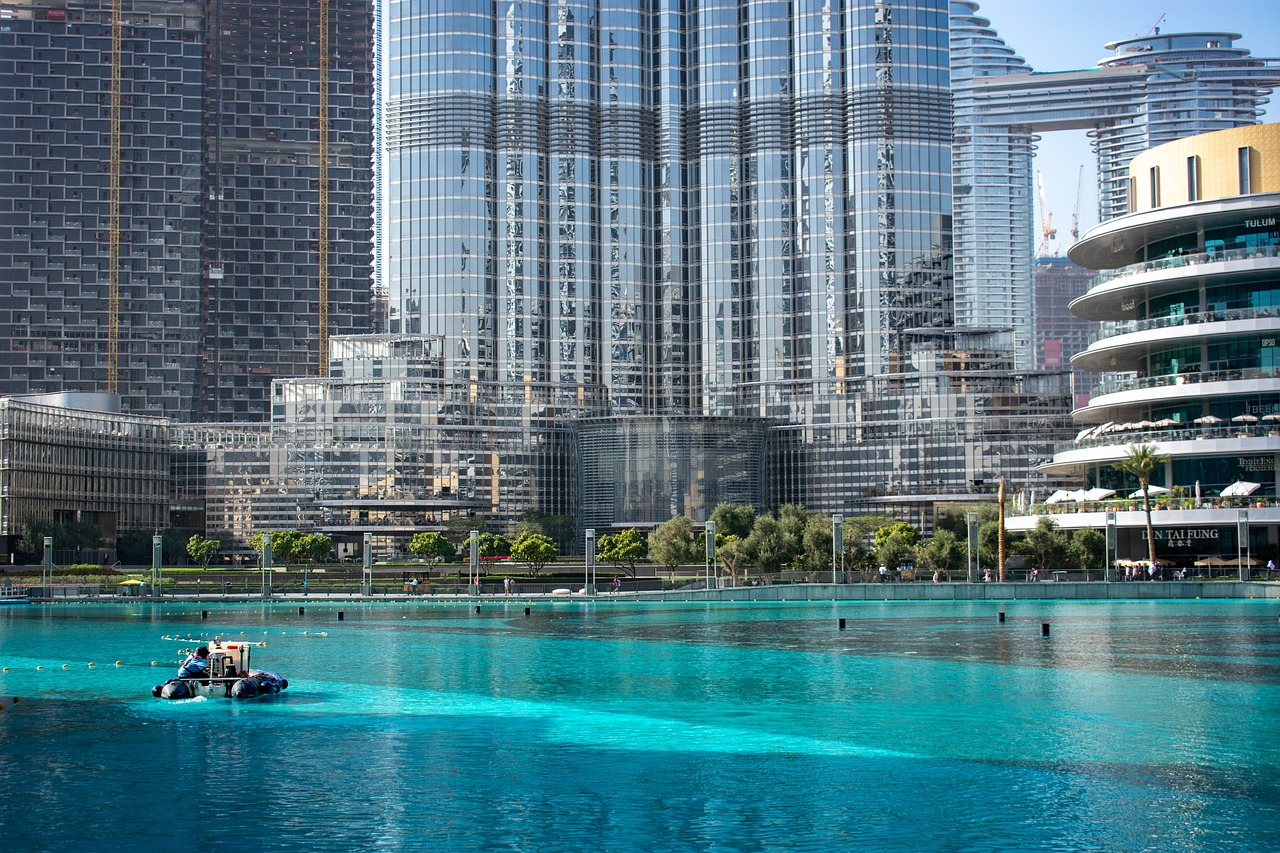
This pulsating heart is home to Dubai’s most famous landmarks. Ascend the **Burj Khalifa**, the world’s tallest building, for breathtaking city views (book tickets online in advance for better deals and time slots). Explore the vast **Dubai Mall**, not just a shopping haven but also an entertainment destination with an aquarium, ice rink, and fountain shows (check showtimes). Nearby, visit the **Dubai Opera**, an architectural gem hosting diverse performances. Don’t miss the **Dubai Fountain** light and water show, spectacularly synchronised to music.
Coastal Glamour: Beaches & The Palm
Dubai’s coastline is a magnet for sun-seekers and water sports enthusiasts. **Jumeirah Public Beach** and **Kite Beach** offer public access with facilities, lively vibes, and great views of the Burj Al Arab. **Jumeirah Beach Residence (JBR)** The Walk is a vibrant promenade packed with cafes, restaurants, and shops. **Palm Jumeirah**, the iconic man-made island shaped like a palm tree, is accessible via the Monorail. Explore the luxurious hotels, Atlantis, The Palm resort, or enjoy beaches like Nakheel Mall Beach.
Desert Adventures: Sands & Stars
A Dubai trip isn’t complete without experiencing the desert. **Desert Safaris** are extremely popular, typically offered as half-day (evening) or full-day packages. Expect dune bashing in a 4×4, camel riding, sandboarding, a taste of traditional Arabic coffee (gahwa) and dates, often cultural entertainment like belly dancing and tanoura shows, and a BBQ dinner under the stars. Options range from basic to ultra-luxurious VIP experiences overnight in camps with private pools and celestial viewing. Operators cluster near Dubai or Al Ain routes. **Al Marmoom Desert Conservation Reserve** offers a more serene, eco-friendly experience with guided nature walks and wildlife spotting.
Cultural Gems & Old Dubai
Discover Dubai’s heritage. **Dubai Creek** separates Deira from Bur Dubai. Cross via an **abra** (water taxi) for a cheap, authentic ride. Explore the **Dubai Museum** (Al Fahidi Fort) in Al Fahidi Historic District, showcasing the city’s transformation. Wander through narrow alleyways, browse the **Gold Souk** and **Spice Souk** in Deira for dazzling jewellery and aromatic spices. Visit the **Al Fahidi Neighbourhood** (formerly Bastakiya), a restored area with wind-tower architecture, art galleries (like XVA Gallery), and charming cafes. Jumeirah Mosque offers guided tours (often non-Muslims welcome outside prayer times), providing insight into Islam.
Unique Dubai Experiences
Dubai thrills with novelty. **Ski Dubai** offers snow slopes inside Mall of the Emirates, complete with penguins for a surreal experience. **IMG Worlds of Adventure** is one of the world’s largest indoor theme parks. **The Pointe** on Palm Jumeirah provides stunning sunset views. **Dubai Frame** offers panoramic city vistas from an enormous picture frame. For adrenaline, try indoor skydiving at **iFLY Dubai** or rooftop surfing at **Kite Beach**. Enjoy luxury shopping in malls like **Mall of the Emirates** or **Dubai Mall**, or explore the modern art scene at galleries or **Alserkal Avenue**.
Best Tips for Planning Your Dubai Trip
- Dress Smartly, Not Just Modestly: While covering shoulders and knees is required in public areas, malls and hotels are air-conditioned and often cooler than expected. Pack light layers (cardigans, shawls) for indoors even in winter. Swimsuits are strictly for beaches and pools.
- Respect Ramadan: During Ramadan (9th lunar month), eating, drinking, or smoking in public is forbidden from sunrise to sunset. Many restaurants are closed during the day; those open will have discreet partitions. Most hotels offer buffet breakfasts for non-fasting guests, and malls often have designated food courts open. Be discreet and respectful – consume in private areas or designated zones.
- Navigate Currency: The currency is the UAE Dirham (AED or Dhs). Credit/debit cards are widely accepted, especially for higher-end purchases. Carry cash for smaller vendors, taxis, and souks. ATMs are plentiful.
- Manage Expectations: Dubai is incredibly cosmopolitan and modern, but it’s still part of the UAE with conservative Islamic laws. Public displays of affection are frowned upon, and laws regarding alcohol (only in licensed venues) and drugs are strictly enforced. Respect local customs.
- Beat the Heat (or Embrace It):strong> If visiting April-October, schedule sightseeing early morning or late evening. Hydrate constantly and seek shade/AC during peak heat hours. Consider indoor attractions during afternoons. Summers offer great hotel rates and fewer crowds.
- Book Popular Tickets Early: Burj Khalifa, major shows (like Dubai Fountain or La Perle), and desert safaris, especially during peak season, can sell out. Book tickets and tours online in advance for better prices and guaranteed entry times.
- Use Public Transport Apps: Download the RTA (Roads and Transport Authority) Dubai app for bus/metro/tram info, schedules, and payment (Nol card top-ups). Use Careem or Uber for reliable taxis.
Who is Dubai Best For?
Dubai’s dynamic nature makes it appealing to a wide range of travelers. It’s a top choice for **luxury seekers** drawn to 5-star hotels, premium shopping, and exclusive experiences. **Shopping enthusiasts** find paradise in mega-malls and traditional souks. **Adventure seekers** enjoy desert safaris, indoor activities, and theme parks. **Business travelers** appreciate the world-class infrastructure and connectivity. **Families** benefit from kid-friendly resorts, indoor attractions, and theme parks. **Cultural explorers** discover its fascinating blend of old and new. **Nightlife lovers** flock to beach clubs and rooftop bars in areas like JBR and DIFC. **Budget travelers** can also find options, especially outside peak season, in hostels, budget hotels, and free attractions. Essentially, Dubai offers something unique for almost every type of traveler.
Is Dubai Worth It?
Absolutely. While Dubai undeniably boasts luxury with a high price tag, its value proposition extends far beyond just opulence. For travelers seeking groundbreaking architecture, incredible efficiency, world-class entertainment, diverse cuisine, unique experiences unavailable elsewhere (indoor skiing, desert luxury), and a truly safe and welcoming environment for international visitors, Dubai delivers exceptional value. The sheer variety of activities – from relaxing on pristine beaches to ascending the world’s tallest building and exploring vast deserts – ensures there’s never a dull moment. While budget travelers need to be mindful, the quality, safety, and sheer spectacle on offer make a Dubai trip a worthwhile adventure for those seeking the extraordinary.
Conclusion
Dubai defies easy categorization. It’s a city of superlatives – tallest, biggest, richest, most extravagant – yet it also possesses a soul woven from ancient desert traditions and ambitious visions. This Dubai travel guide provides the practical roadmap to navigate its dazzling array of offerings. From the futuristic skyline dominating downtown to the timeless charm of the souks echoing along Dubai Creek, from adrenaline-pumping desert dunes to serene beachfronts, the experience is uniquely Dubai. By respecting its culture, planning smartly, and embracing its blend of East and West, you’re set for an unforgettable adventure in one of the world’s most captivating destinations. Prepare to be amazed, inspired, and entertained.
Frequently Asked Questions
Do I need a visa for Dubai?
Visa requirements depend on your nationality. Many nationalities get a visa on arrival (e.g., US, UK, EU, Australia), often 30-day single or multiple-entry. Rules change frequently; always verify the *current* requirements on the official UAE ICP website or with your airline before booking flights.
What is the best time of year to visit Dubai?
**November to March** offers the best weather for sightseeing – warm days, cool nights, low humidity. Expect peak crowds and prices. **April-October** is very hot and humid, ideal for pool/beach days or indoor activities, with fewer crowds and lower hotel rates.
Is Dubai safe?
Dubai is generally considered one of the safest cities in the world, with very low crime rates, especially violent crime. Petty crime like pickpocketing exists in crowded areas but is uncommon. Strict laws ensure a safe environment, though tourists should always exercise common sense precautions.
What should I wear in Dubai?
In public areas, malls, and government buildings, women should cover shoulders and knees; men should wear shirts and trousers. Swimwear is acceptable only on beaches and at pools. Air-conditioning indoors can be cold, so bring a light jacket or shawl.
Are credit cards accepted in Dubai?
Yes, credit and debit cards are widely accepted in hotels, large restaurants, malls, and supermarkets. However, carry cash (Dirhams) for smaller shops, souks, taxis, and vendors who may prefer cash.
Is Dubai expensive?
Dubai can be expensive, especially for luxury accommodation, fine dining, and premium experiences. However, it’s also possible to visit on a budget by choosing affordable hotels/hostels, eating at local eateries or food courts in malls, and enjoying many free attractions. Off-peak summer rates offer significant savings.
Can I drink alcohol in Dubai?
Alcohol is available in licensed premises – hotel bars, restaurants, and specific clubs. Drinking alcohol in public areas or being intoxicated is strictly prohibited. Buying alcohol requires a license for residents; tourists can only consume it in licensed venues.
What currency should I use in Dubai?
The official currency is the UAE Dirham (AED or Dhs). While major credit/debit cards are widely accepted, it’s advisable to carry some cash for smaller purchases, taxis, souks, and tips. ATMs are readily available throughout the city.